
Heat Wave Safety: Essential Guidelines for Protection
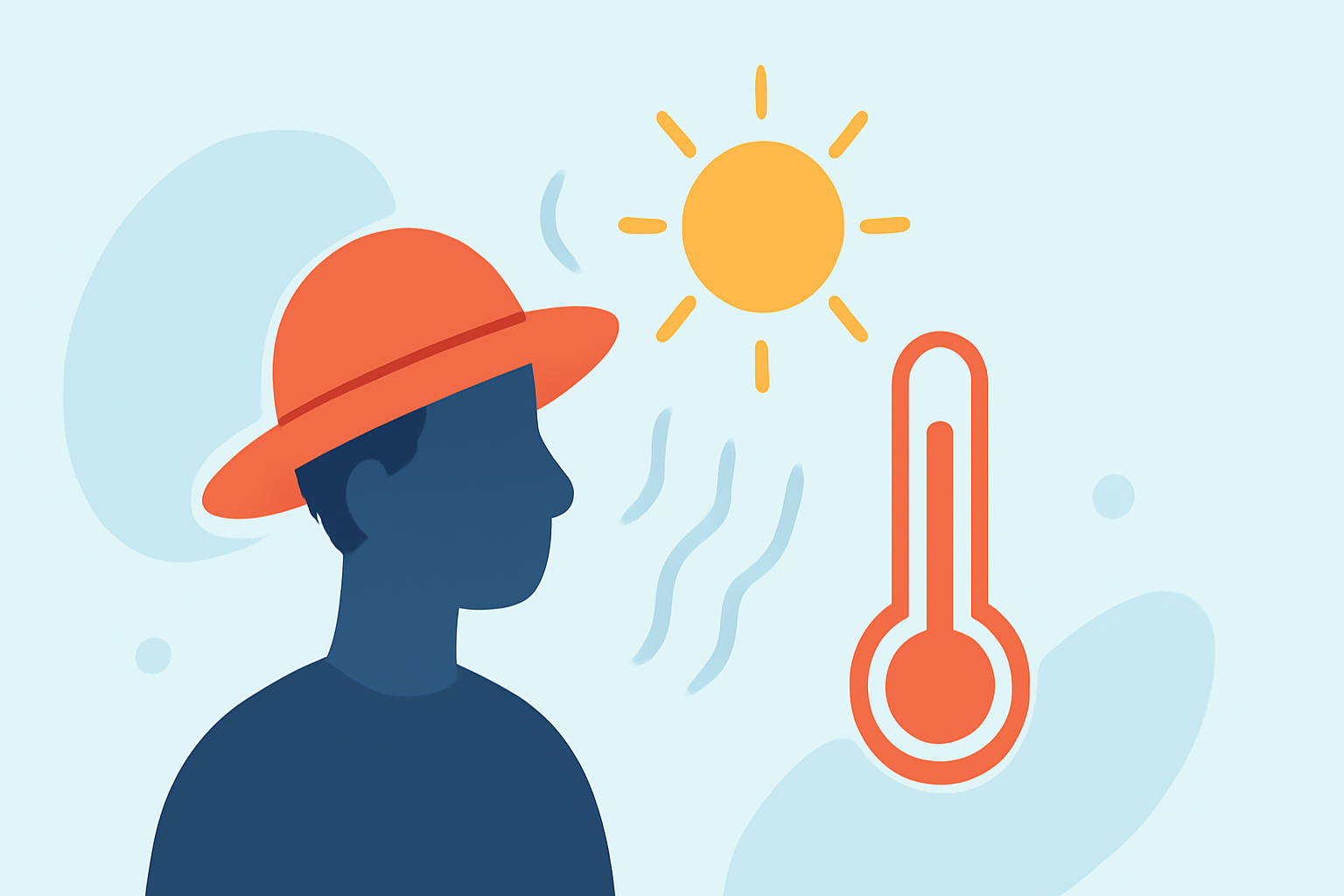
Heat waves, characterized by prolonged periods of abnormally high temperatures, pose significant health risks, especially in the United States. Understanding how to protect yourself and others during these extreme conditions is crucial.
What Is a Heat Wave?
A heat wave is a period of abnormally and uncomfortably hot and unusually humid weather, typically lasting two or more days with temperatures outside the historical averages for a given area. (hazards.fema.gov)
Why Are Heat Waves Dangerous?
Extreme heat can lead to heat-related illnesses, such as heat exhaustion and heat stroke, which can be life-threatening. Vulnerable groups include older adults, children, and individuals with chronic health conditions. (cdc.gov)
How Can You Stay Safe During a Heat Wave?
Stay Cool:
-
Indoors: Use air conditioning or visit public places like malls or libraries. If air conditioning isn't available, consider going to a community relief shelter. (cdc.gov)
-
Outdoors: Seek shade, wear light-colored and loose-fitting clothing, and avoid strenuous activities during peak heat hours. (cdc.gov)
Stay Hydrated:
- Drink plenty of fluids, especially water, even if you don't feel thirsty. Avoid alcohol and high-sugar drinks. (cdc.gov)
Recognize Heat-Related Illnesses:
-
Heat Exhaustion: Symptoms include heavy sweating, weakness, dizziness, nausea, and headaches. Move to a cooler place, drink water, and rest.
-
Heat Stroke: Symptoms include confusion, rapid heartbeat, and loss of consciousness. Call 911 immediately. (cdc.gov)
Additional Tips:
-
Never leave children or pets in a parked car. (cdc.gov)
-
Check on family, friends, and neighbors, especially those who are elderly or have health conditions. (cdc.gov)
-
Stay informed by checking local weather forecasts and heat alerts. (epa.gov)
How Can Clime Help?
Clime offers real-time weather updates and heat alerts, helping you stay informed about changing conditions. By providing accurate and timely information, Clime enables you to make informed decisions during heat waves, ensuring your safety and well-being.
FAQs
What are the symptoms of heat exhaustion?
Symptoms include heavy sweating, weakness, dizziness, nausea, and headaches. (cdc.gov)
How can I stay cool during a heat wave without air conditioning?
Visit public places like malls or libraries, use fans, and stay hydrated. (cdc.gov)
Is it safe to exercise during a heat wave?
Limit outdoor activities to cooler parts of the day, wear light clothing, and stay hydrated. (cdc.gov)
How can I protect my pets during extreme heat?
Ensure they have access to fresh water, shade, and avoid walking them during peak heat hours. (epa.gov)
What should I do if I experience heat stroke symptoms?
Call 911 immediately. (cdc.gov)
By following these guidelines and utilizing Clime's resources, you can effectively protect yourself and others during heat waves.