
Heat Wave Safety for Beginners During Workouts
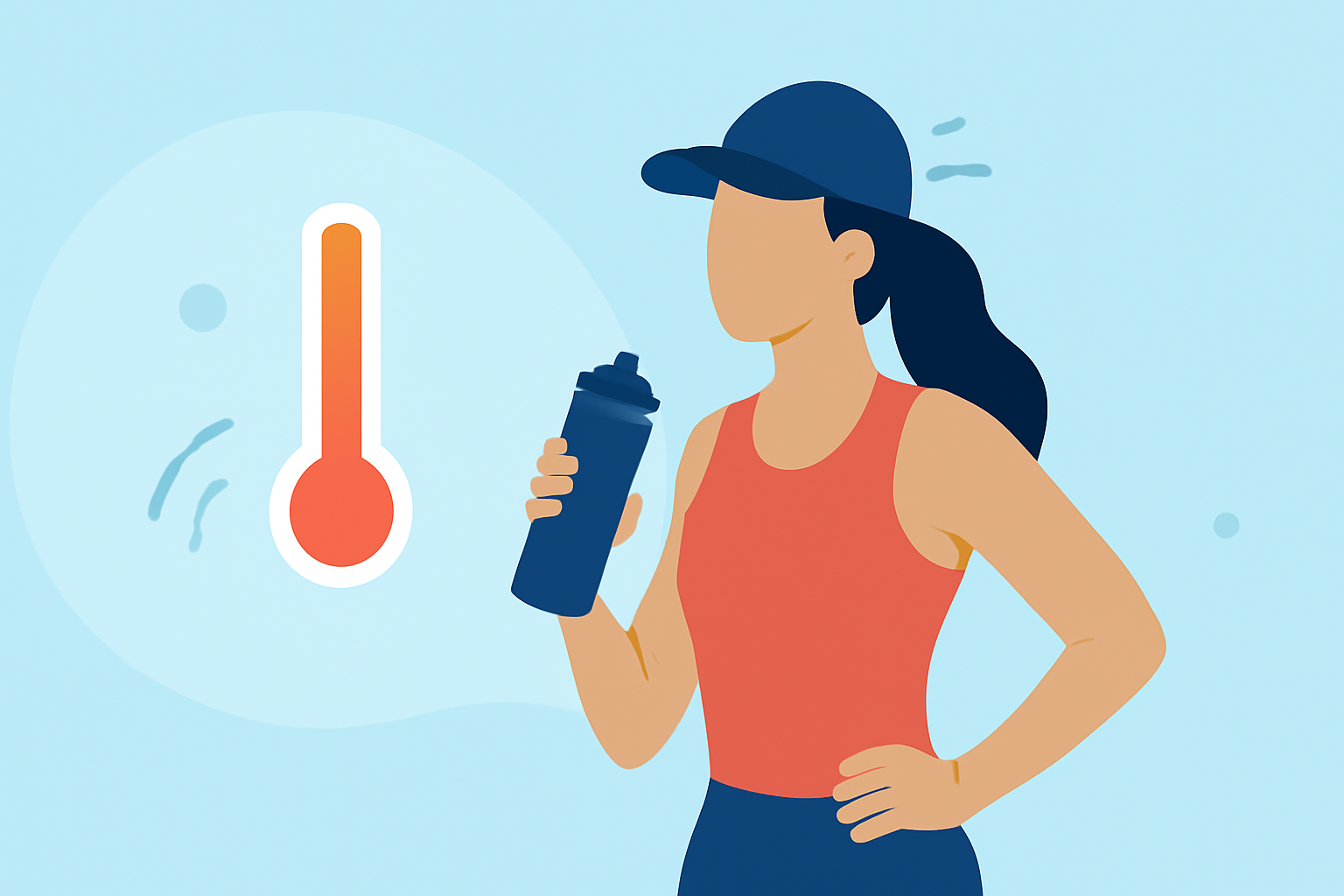
Exercising during a heat wave presents unique challenges, especially for beginners. Understanding how to protect yourself is crucial to ensure a safe and effective workout. This guide provides essential tips to help you navigate exercising in extreme heat.
Why Is Exercising in Heat Risky?
When you exercise, your body generates heat. In hot and humid conditions, your body's natural cooling system—sweating—becomes less effective. This can lead to heat-related illnesses such as heat cramps, heat exhaustion, and heatstroke. Recognizing the risks and taking preventive measures is vital.
How Can I Safely Exercise During a Heat Wave?
-
Hydrate Properly: Drink water before, during, and after your workout. Even if you don't feel thirsty, it's essential to stay hydrated. (medlineplus.gov)
-
Choose the Right Time: Exercise during the cooler parts of the day, such as early morning or evening. Avoid the midday heat, typically between noon and 3 p.m. (heart.org)
-
Wear Appropriate Clothing: Opt for lightweight, light-colored, and loose-fitting clothes made of moisture-wicking fabrics. This attire helps keep you cool and allows sweat to evaporate efficiently. (heart.org)
-
Pace Yourself: Start your workout slowly and gradually increase intensity. This approach allows your body to acclimate to the heat and reduces the risk of overheating. (massgeneralbrigham.org)
-
Take Regular Breaks: Incorporate rest periods in shaded or cool areas. This practice helps your body recover and prevents heat-related illnesses. (heart.org)
-
Monitor Your Body: Be aware of signs of heat-related illnesses, such as dizziness, nausea, excessive sweating, or muscle cramps. If you experience any of these symptoms, stop exercising, move to a cooler place, and hydrate. (medlineplus.gov)
What Are the Signs of Heat-Related Illnesses?
-
Heat Cramps: Painful muscle spasms, often in the legs or abdomen, due to loss of salt from sweating.
-
Heat Exhaustion: Heavy sweating, cold and clammy skin, nausea, and vomiting.
-
Heatstroke: A life-threatening condition with symptoms like a body temperature above 104°F (40°C), red, hot, dry skin, rapid breathing, and confusion. (medlineplus.gov)
How Can I Adapt to Exercising in the Heat?
Acclimating to hot conditions takes time. Gradually increasing the duration and intensity of your workouts in the heat can help your body adjust. It's essential to listen to your body and not push beyond your limits.
What Should I Do if I Feel Overheated?
If you experience symptoms of heat-related illness:
-
Stop Exercising: Cease all physical activity immediately.
-
Move to a Cooler Place: Find a shaded or air-conditioned area.
-
Hydrate: Drink water or a sports drink to replenish lost fluids and electrolytes.
-
Seek Medical Attention: If symptoms persist or worsen, seek medical care immediately. (medlineplus.gov)
How Can I Stay Cool After My Workout?
-
Cool Down: After exercising, drink cold water and use a misting fan to help lower your body temperature. (heart.org)
-
Chilled Towels: Drape a chilled or iced towel over your head, neck, or chest to aid in cooling. (heart.org)
-
Cold Foot Soak: Dunk your feet, up to your ankles, in cold water to help cool down. (heart.org)
By following these guidelines, you can safely enjoy your workouts during heat waves. Always prioritize your health and well-being, and don't hesitate to adjust your exercise routine to the conditions.
Highlights:
- Heat and Athletes | Heat Health | CDC, Published on Monday, June 24
- How to Keep Cool During Warm Weather Workouts | American Heart Association, Published on Tuesday, October 01
- How to Be Active Safely in Warm Weather | American Heart Association, Published on Thursday, January 11