
Heat Wave Safety for Commuters: Essential Tips to Stay Safe
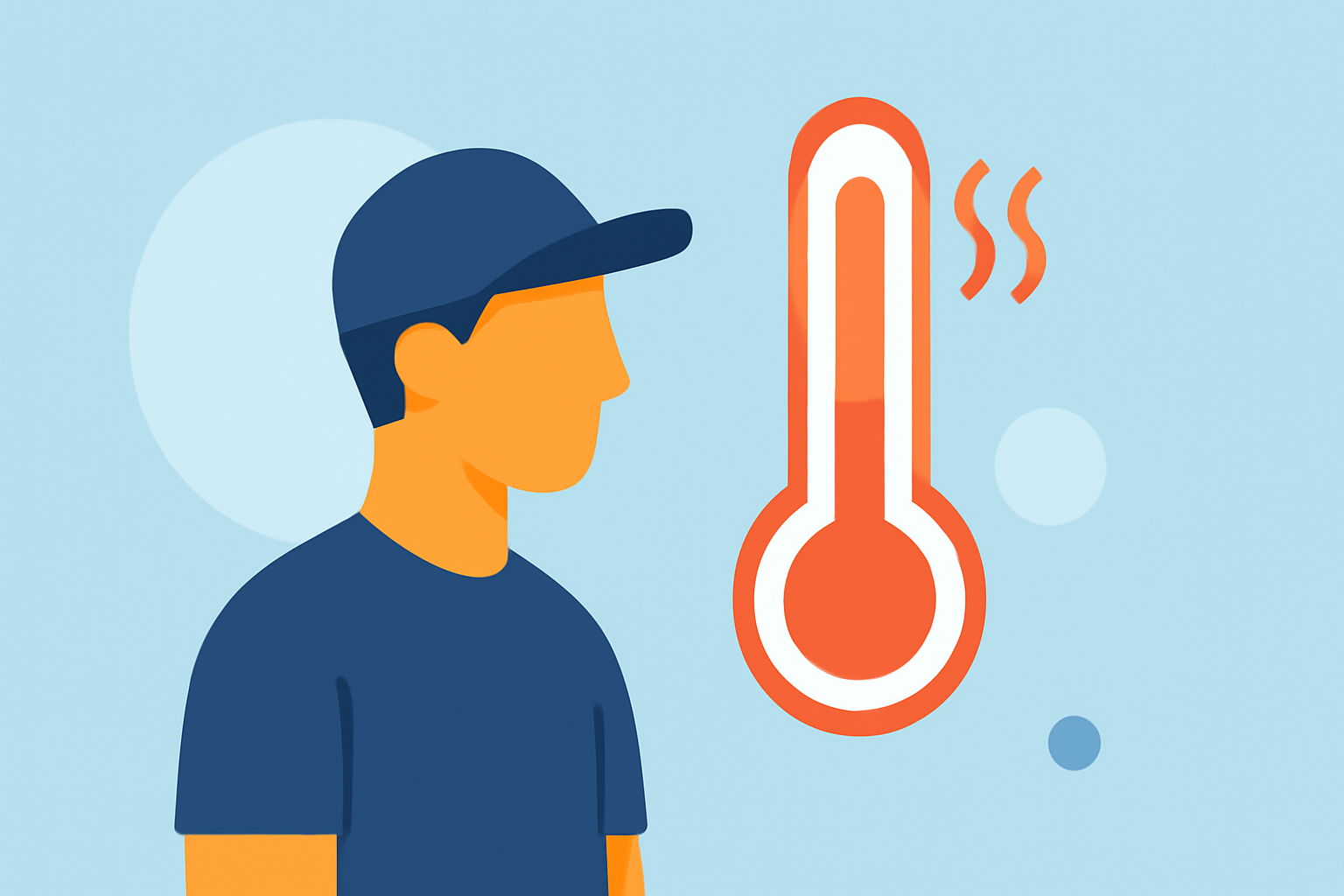
Heat waves pose significant health risks, especially for commuters exposed to high temperatures during travel. Understanding and implementing safety measures can help mitigate these dangers.
What Are Heat Waves and Why Are They Dangerous?
A heat wave is a prolonged period of excessively hot weather, which can lead to heat-related illnesses such as heat exhaustion and heat stroke. These conditions occur when the body is unable to cool itself effectively, leading to serious health complications. In the United States, more than 700 people die from extreme heat every year. (cdc.gov)
How Can Commuters Protect Themselves During Heat Waves?
-
Stay Hydrated: Drink plenty of water throughout the day, even if you don't feel thirsty. Avoid beverages with caffeine or alcohol, as they can lead to dehydration. (osha.gov)
-
Dress Appropriately: Wear loose-fitting, lightweight, and light-colored clothing to help your body stay cool. A wide-brimmed hat can also provide shade and reduce heat exposure. (police.siu.edu)
-
Limit Outdoor Activities: If possible, avoid strenuous activities during the hottest parts of the day, typically between 10 a.m. and 4 p.m. If you must be outside, take frequent breaks in the shade or a cool area. (epa.gov)
-
Use Air Conditioning: Spend time in air-conditioned environments, such as shopping malls, libraries, or community centers, to help regulate your body temperature. (safetyactioncenter.pge.com)
-
Monitor Weather Updates: Stay informed about local weather conditions and heat advisories by checking reliable sources. This information can help you plan your commute and outdoor activities accordingly. (cdc.gov)
What Are the Symptoms of Heat-Related Illnesses?
Recognizing the signs of heat-related illnesses is crucial:
-
Heat Exhaustion: Symptoms include heavy sweating, weakness, dizziness, nausea, and headaches. If you experience these symptoms, move to a cooler place, drink water, and rest. (cdc.gov)
-
Heat Stroke: This is a medical emergency characterized by a high body temperature (104°F or higher), confusion, loss of consciousness, and hot, dry skin. If you suspect someone is experiencing heat stroke, call 911 immediately. (cdc.gov)
How Can Commuters Stay Informed About Heat Waves?
Utilize resources like the National Weather Service and local news outlets to receive timely updates on heat advisories and warnings. These updates can help you make informed decisions about your commute and outdoor activities. (weather.gov)
How Can Clime Assist Commuters During Heat Waves?
Clime offers real-time weather updates and personalized alerts, helping commuters stay informed about current conditions and potential heat advisories. By providing accurate and timely information, Clime enables users to plan their commutes safely and effectively.
Conclusion
Heat waves present significant challenges, but with proper precautions, commuters can navigate these conditions safely. Staying hydrated, dressing appropriately, limiting outdoor activities during peak heat, utilizing air-conditioned spaces, and staying informed are key strategies to protect yourself during extreme heat events.
Highlights:
- How to Know When High Temperatures Are Getting Dangerous-And What to Do to Stay Safe in a Heat Wave, Published on Wednesday, June 19