
Heat Wave Safety Guide: Protecting Yourself and Others
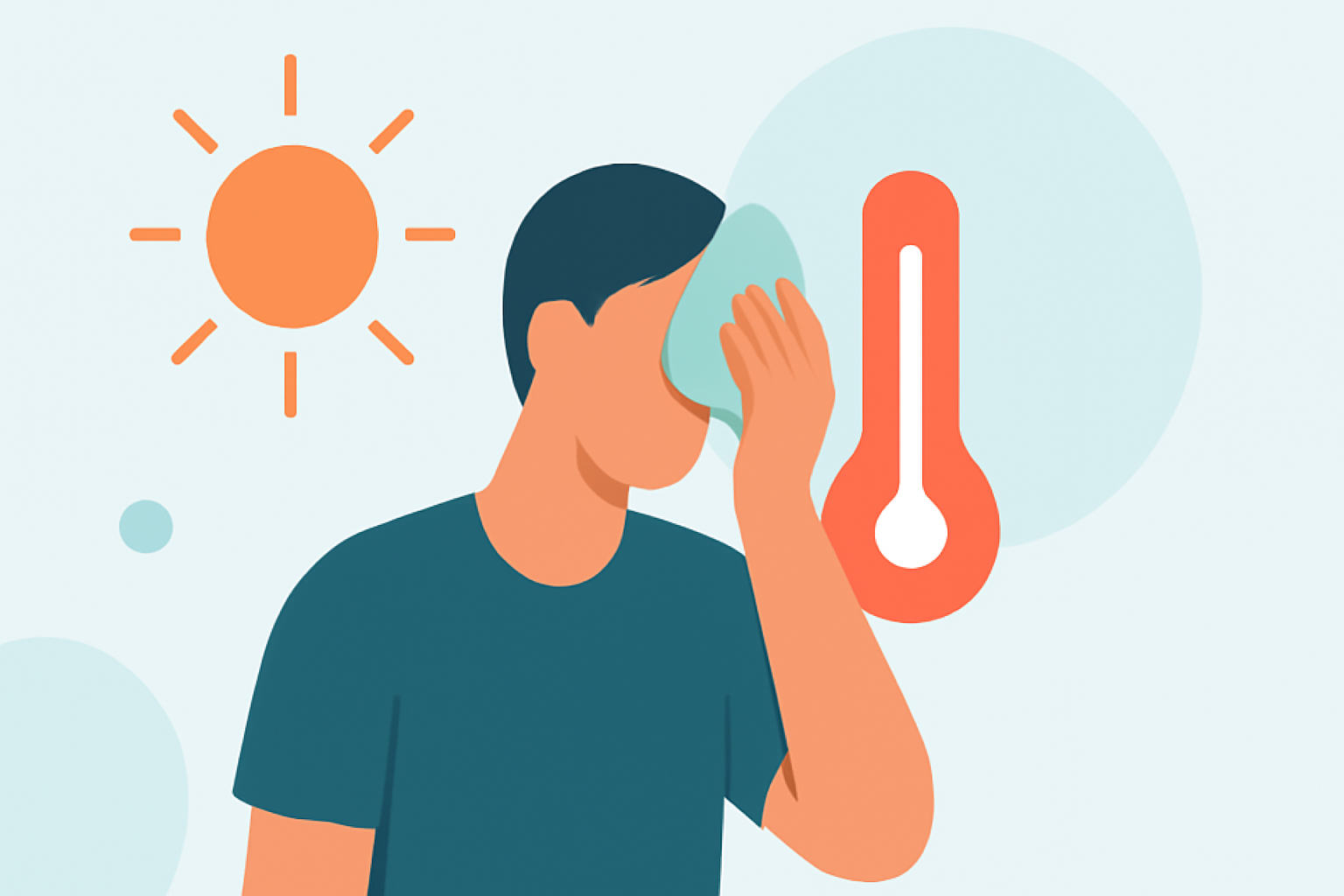
Heat waves pose significant health risks, especially during the summer months. Understanding how to protect yourself and others is crucial.
What Is a Heat Wave?
A heat wave is a prolonged period of excessively hot weather, which may be accompanied by high humidity. These conditions can lead to serious health issues, including heat-related illnesses and even death. In the United States, extreme heat events have been associated with increased mortality rates, particularly among vulnerable populations. (cdc.gov)
Who Is at Risk?
While anyone can be affected by extreme heat, certain groups are more susceptible:
-
Older Adults: Individuals aged 65 and above are at higher risk due to potential underlying health conditions and reduced ability to regulate body temperature.
-
Children and Infants: Young children are more sensitive to heat and may not recognize the signs of heat-related illnesses.
-
People with Chronic Health Conditions: Those with heart disease, respiratory issues, or other chronic conditions may experience exacerbated symptoms during heat waves.
-
Outdoor Workers and Athletes: Individuals engaged in outdoor activities or strenuous work are more likely to become dehydrated and suffer from heat-related illnesses. (cdc.gov)
How to Stay Safe During a Heat Wave
Stay Cool
-
Indoors: Use air conditioning whenever possible. If you don't have air conditioning, consider visiting public places like malls or libraries. (cdc.gov)
-
Outdoors: Seek shade, wear light-colored and loose-fitting clothing, and avoid strenuous activities during peak heat hours.
Stay Hydrated
-
Drink Plenty of Fluids: Consume water regularly, even if you don't feel thirsty. Avoid alcohol and high-sugar drinks, as they can dehydrate you. (cdc.gov)
-
Monitor Urine Color: Light yellow or clear urine typically indicates adequate hydration.
Recognize Heat-Related Illnesses
Be aware of symptoms such as muscle cramps, heavy sweating, dizziness, headaches, and nausea. If you or someone else exhibits these signs, move to a cooler place, hydrate, and seek medical attention if necessary. (cdc.gov)
Protect Vulnerable Populations
-
Check on At-Risk Individuals: Regularly check on older adults, children, and those with chronic health conditions.
-
Pets: Never leave pets in a parked car, as temperatures can rise rapidly, leading to heat-related illnesses. (cdc.gov)
How Clime Can Help
Clime offers real-time weather updates and heat risk forecasts, enabling you to plan your activities and stay informed about local conditions. By integrating Clime into your daily routine, you can receive timely alerts and guidance to protect yourself and your loved ones during extreme heat events.
Conclusion
Heat waves are a serious concern, but with proper precautions, you can minimize health risks. Stay cool, stay hydrated, and stay informed to ensure your safety during extreme heat events.