
Heat Wave Safety Cheat Sheet During Hurricane Season
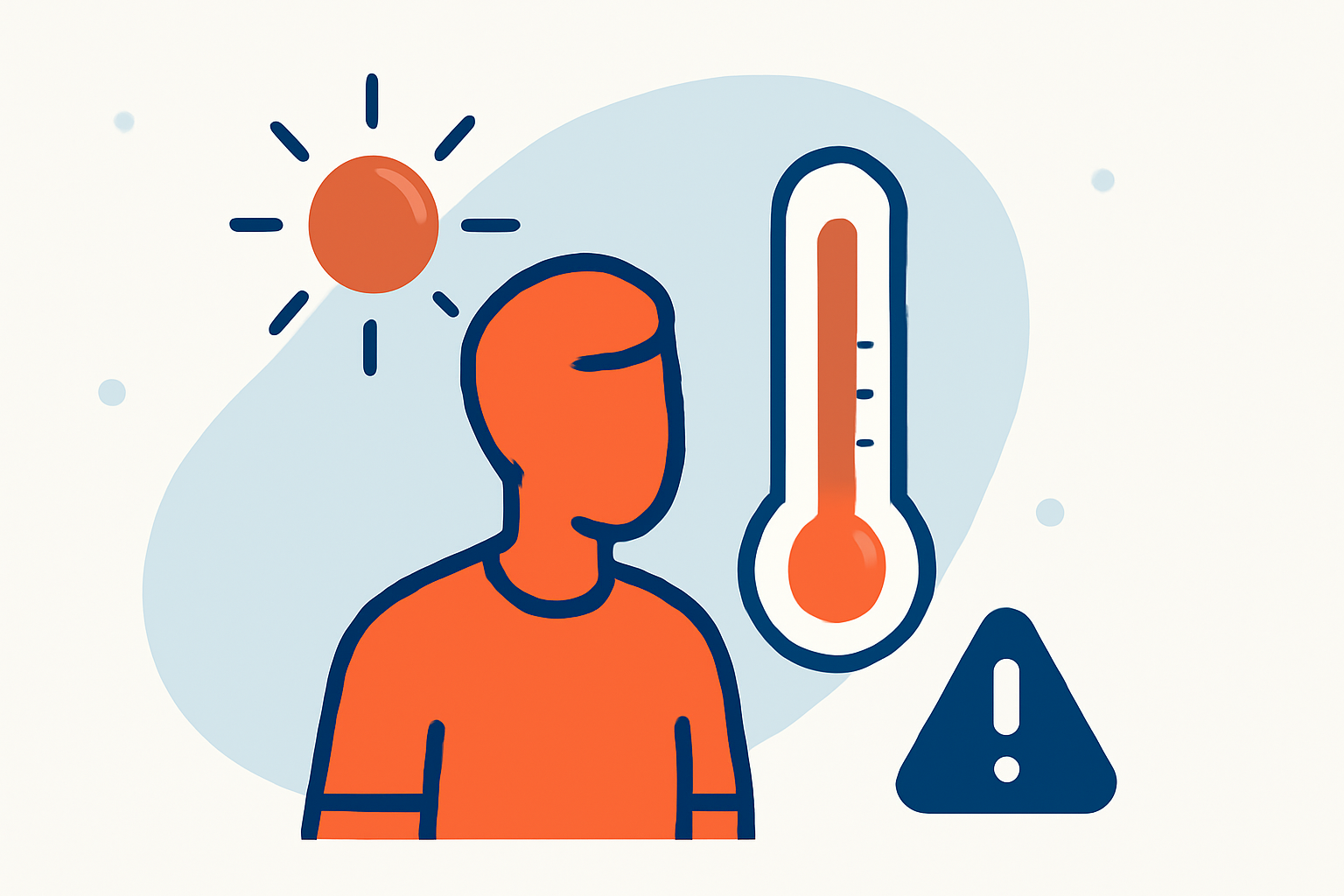
Experiencing a heat wave during hurricane season presents unique challenges. Combining extreme heat with the potential for hurricanes can strain resources and increase health risks. Here's a comprehensive guide to navigate these conditions safely.
1. How Can I Stay Cool During a Heat Wave?
-
Stay Indoors: Limit outdoor activities, especially during peak heat hours. If you lack air conditioning, consider visiting public places like malls or libraries. (cdc.gov)
-
Use Fans Wisely: Fans can be effective when indoor temperatures are below 90°F. Above this, they might not provide relief and could even increase body temperature. (cdc.gov)
-
Wear Appropriate Clothing: Opt for lightweight, loose-fitting, and light-colored clothing to reflect heat.
2. How Can I Stay Hydrated?
-
Increase Fluid Intake: Drink plenty of water throughout the day. Avoid alcohol and high-sugar beverages, as they can lead to dehydration. (cdc.gov)
-
Monitor for Dehydration: Be alert to signs like dry mouth, fatigue, dizziness, or dark-colored urine.
3. What Are the Health Risks Associated with Heat Waves?
-
Heat-Related Illnesses: Prolonged exposure can lead to heat exhaustion or heat stroke, both of which are medical emergencies.
-
Vulnerable Populations: Children, the elderly, and individuals with chronic health conditions are at higher risk.
4. How Do Hurricanes Affect Heat Wave Conditions?
-
Power Outages: Hurricanes can disrupt power, making it challenging to use air conditioning or fans.
-
Flooding: Flooded areas can increase humidity, making heat feel more oppressive.
5. What Should I Do if a Hurricane Is Imminent During a Heat Wave?
-
Stay Informed: Monitor weather updates from reliable sources.
-
Prepare an Emergency Kit: Include essentials like water, non-perishable food, medications, and a flashlight.
-
Plan for Evacuation: Know evacuation routes and have a plan for pets.
6. How Can I Protect My Home During a Heat Wave and Hurricane?
-
Secure Windows and Doors: Use storm shutters or plywood to protect against debris.
-
Clear the Yard: Remove items that could become projectiles in high winds.
-
Check for Vulnerabilities: Inspect your home for areas that might be susceptible to flooding or wind damage.
7. How Do I Care for Pets During These Conditions?
-
Provide Fresh Water: Ensure pets have access to clean, cool water at all times.
-
Create a Cool Environment: Keep pets indoors during peak heat and provide shaded areas if they must be outside.
-
Monitor for Heat Stress: Watch for signs like excessive panting, drooling, or lethargy.
8. What Are the Signs of Heat-Related Illnesses?
-
Heat Exhaustion: Symptoms include heavy sweating, weakness, dizziness, nausea, and headache.
-
Heat Stroke: A severe condition with symptoms like high body temperature, confusion, rapid pulse, and loss of consciousness.
9. How Can I Prevent Carbon Monoxide Poisoning During Power Outages?
-
Use Generators Safely: Operate them outdoors, away from windows and doors.
-
Avoid Indoor Use of Fuel-Burning Appliances: Never use charcoal grills or camp stoves inside.
-
Install CO Detectors: Place them near sleeping areas and test monthly.
10. How Do I Address Mosquitoes After a Hurricane?
-
Eliminate Standing Water: Remove containers that can collect water to reduce mosquito breeding sites.
-
Use Insect Repellent: Apply products containing DEET or picaridin when outdoors.
-
Use Screens: Keep windows and doors closed or use screens to prevent mosquito entry.
By adhering to these guidelines, you can enhance your safety and well-being during the challenging overlap of heat waves and hurricane season.