
Heat Wave Safety in the Car: Essential Tips for Protection
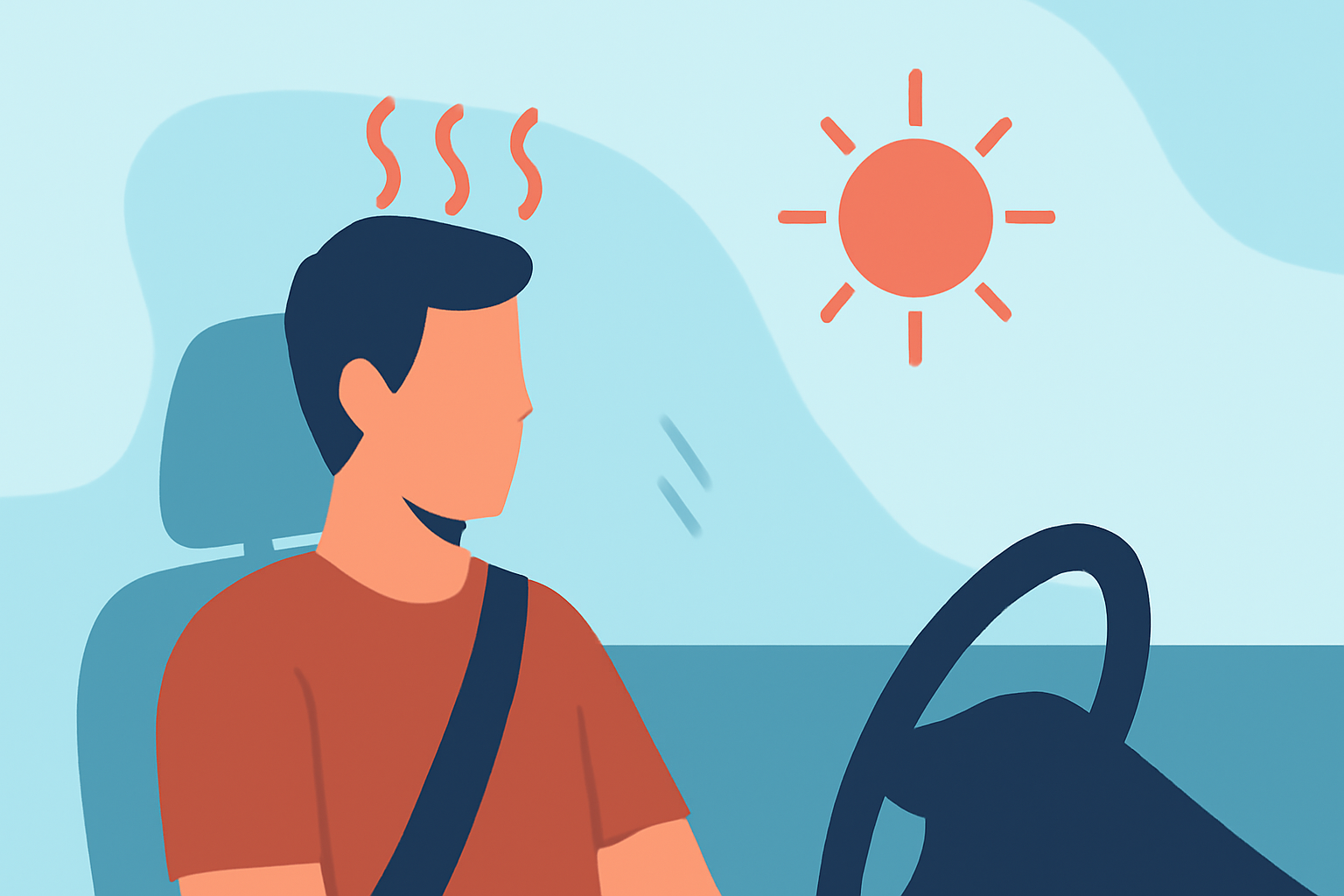
Heat waves pose significant risks, especially when traveling by car. Understanding and implementing safety measures can prevent heat-related illnesses and ensure a safe journey.
Why Are Heat Waves Dangerous in Cars?
Vehicles can heat up rapidly, even with windows slightly open. In just 10 minutes, the interior temperature can rise by 20 degrees Fahrenheit, creating a potentially lethal environment. This rapid temperature increase is particularly hazardous for children, as their bodies warm three to five times faster than adults'. (nhtsa.gov)
Key Safety Tips During Heat Waves
-
Never Leave Children or Pets Unattended: Always ensure that children and pets are not left alone in a vehicle, even for a brief moment. Heatstroke can occur quickly, leading to severe health consequences. (nhtsa.gov)
-
Check the Back Seat: Before locking your car, make it a habit to check the back seat. This simple action can prevent tragic accidents. (nhtsa.gov)
-
Keep Vehicles Locked: Always lock your vehicle when not in use to prevent children from entering and becoming trapped. Store keys out of their reach to avoid accidental access. (nhtsa.gov)
-
Use Reminders: Place a personal item, like a purse or briefcase, in the back seat to remind you to check before leaving. Alternatively, placing a stuffed animal in the front passenger seat can serve as a visual cue. (nhtsa.gov)
-
Stay Informed About Weather Conditions: Monitor local weather forecasts to anticipate heat waves and plan accordingly. Being aware of extreme heat conditions can help you take necessary precautions.
What to Do if You See a Child Alone in a Vehicle
If you encounter a child alone in a vehicle, call 911 immediately. While waiting for help, attempt to get into the car to assist the child, even if it means breaking a window. Many states have “Good Samaritan” laws that protect individuals from lawsuits for getting involved to help a person in an emergency. (nhtsa.gov)
Additional Resources
For more information on heat wave safety and preventing heatstroke, visit the National Highway Traffic Safety Administration's website. (nhtsa.gov)
By following these guidelines, you can significantly reduce the risks associated with heat waves and ensure a safer environment for everyone in and around your vehicle.