
Heat Wave Safety: Essential Tips to Protect Yourself and Others
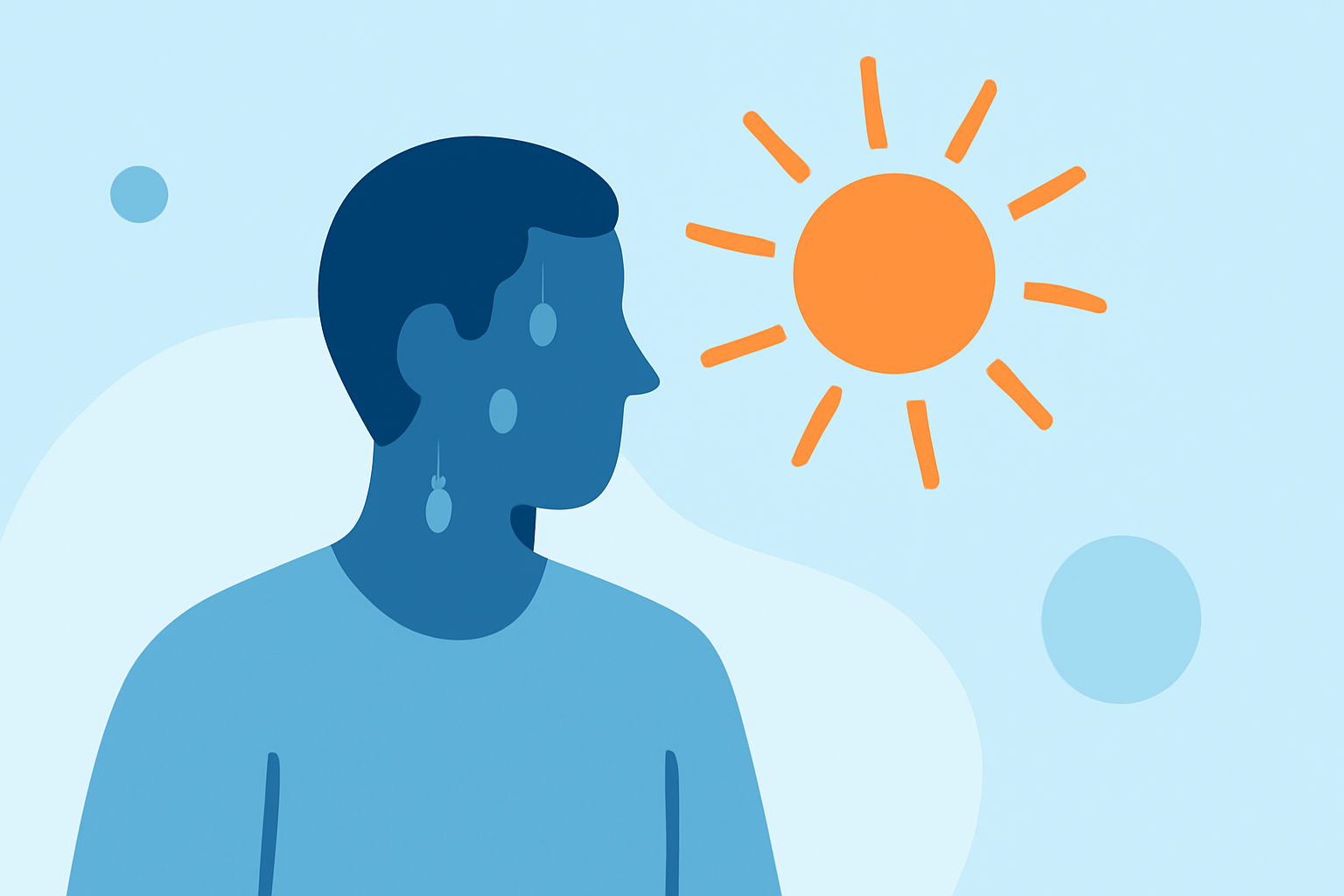
Heat waves pose significant health risks, including dehydration, heat exhaustion, and heatstroke. Understanding how to protect yourself and others during extreme heat is essential.
What Are Heat Waves?
A heat wave is a prolonged period of excessively hot weather, often accompanied by high humidity. The National Weather Service defines a heat wave as a period of excessively hot weather, generally lasting two or more days. The key factor is that the temperatures are compared to historical averages for a given area. (weather.com)
Why Are Heat Waves Dangerous?
Extreme heat can lead to serious health issues, including dehydration, heat exhaustion, heatstroke, and even death. The Centers for Disease Control and Prevention (CDC) reports that heat is the number one weather-related killer in the U.S., causing more fatalities than hurricanes, tornadoes, and floods combined. (weather.com)
How Can You Stay Safe During a Heat Wave?
-
Stay Hydrated: Drink plenty of water throughout the day, even if you don't feel thirsty. Avoid alcohol and caffeine, as they can dehydrate you. (osha.gov)
-
Stay Cool: Use air conditioning or stay in well-ventilated areas. If you don't have air conditioning, spend time in public places like libraries or shopping centers. Taking cool showers or baths can also help lower your body temperature. (osha.gov)
-
Wear Appropriate Clothing: Dress in loose-fitting, lightweight, and light-colored clothing to reflect heat. A wide-brimmed hat can protect your face and head from the sun. (police.siu.edu)
-
Limit Outdoor Activities: Avoid strenuous activities during the hottest parts of the day, typically between 11 a.m. and 4 p.m. If you must exercise, do so in the early morning or evening when temperatures are cooler. (apha.org)
-
Eat Light Meals: Opt for smaller, lighter meals that are easier to digest and generate less body heat. (apha.org)
-
Use Cooling Methods: Apply cool, damp cloths to your skin, use fans, or place a bowl of ice in front of a fan to cool the air. Avoid using heat-producing appliances during peak heat hours. (osha.gov)
-
Check on Vulnerable Individuals: Regularly check on elderly family members, neighbors, and others who may be more susceptible to heat-related illnesses. Ensure they have access to cool environments and are staying hydrated. (apha.org)
What Are the Signs of Heat-Related Illnesses?
Recognizing the symptoms of heat-related illnesses is crucial:
-
Heat Exhaustion: Symptoms include heavy sweating, weakness, dizziness, nausea, and headache. Move to a cooler place, drink water, and rest. (healthline.com)
-
Heatstroke: Symptoms include confusion, rapid heartbeat, and loss of consciousness. This is a medical emergency; call 911 immediately. (healthline.com)
How Can Clime Help During Heat Waves?
Clime offers real-time weather updates and alerts, helping you stay informed about heat waves and plan your activities accordingly. By providing accurate and timely information, Clime enables you to make informed decisions to protect yourself and your loved ones during extreme heat events.
Conclusion
Heat waves are a serious threat to health, but with proper precautions, you can stay safe. Stay hydrated, keep cool, wear appropriate clothing, limit outdoor activities during peak heat, eat light meals, use cooling methods, and check on vulnerable individuals. By staying informed and prepared, you can effectively manage the risks associated with heat waves.
Highlights:
- A Heat Wave Is Hitting Much of the U.S. This Week. Here's How to Stay Safe, Published on Friday, June 29
- How to Know When High Temperatures Are Getting Dangerous-And What to Do to Stay Safe in a Heat Wave, Published on Wednesday, June 19
- What to do in extreme heat, Published on Wednesday, July 20