
Heat Wave Safety: Essential Tips to Protect Yourself and Others
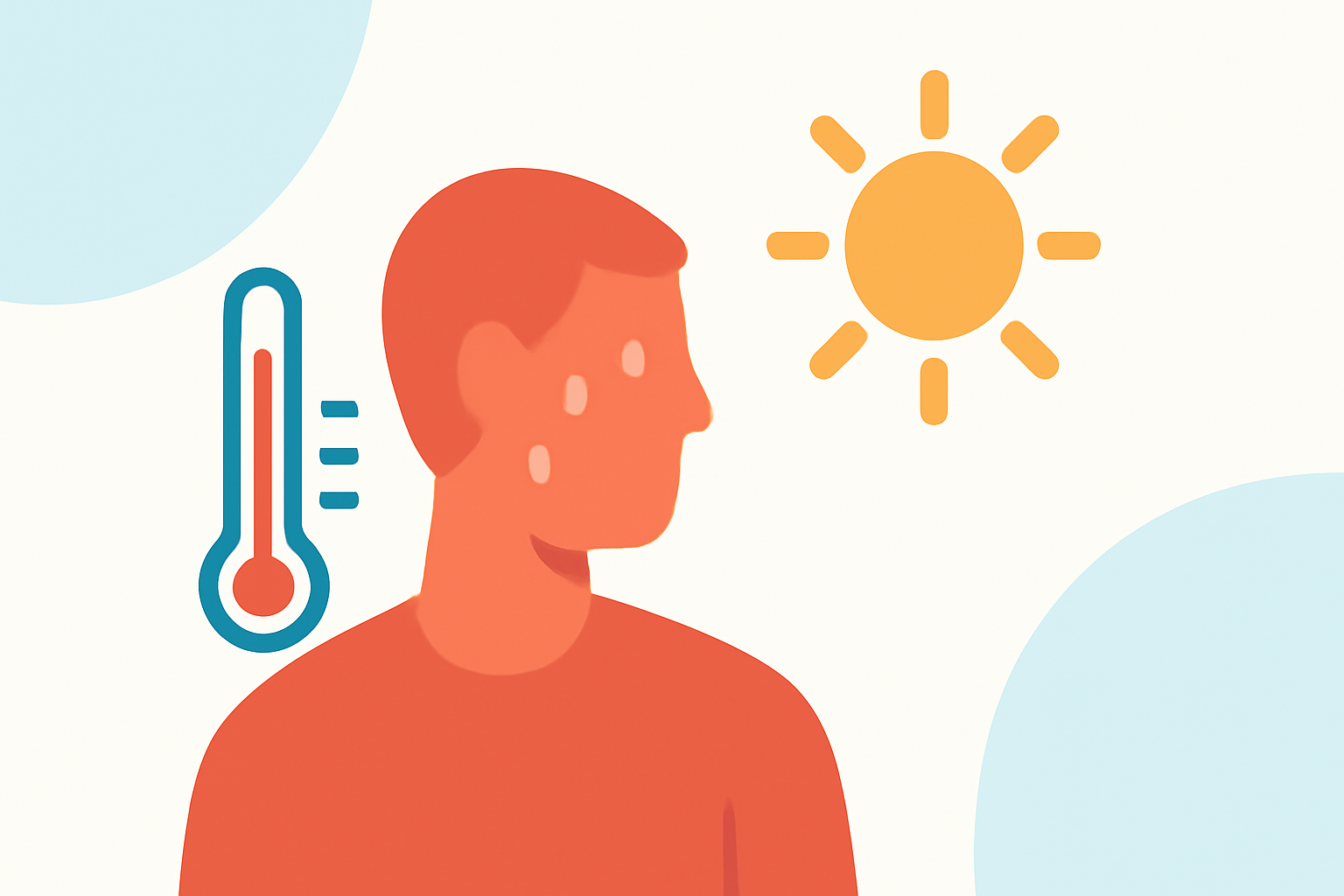
Heat waves pose significant health risks, especially during the summer months. Understanding how to protect yourself and others is crucial.
What Are Heat Waves and Why Are They Dangerous?
A heat wave is a prolonged period of excessively hot weather, which may be accompanied by high humidity. These conditions can lead to heat-related illnesses such as heat exhaustion and heat stroke. Vulnerable groups include infants, children, older adults, and individuals with chronic health conditions. (cdc.gov)
How Can I Stay Cool During a Heat Wave?
Indoors:
-
Use Air Conditioning: If available, stay in air-conditioned environments. If you don't have air conditioning, consider visiting public places like malls or libraries. (cdc.gov)
-
Use Fans Wisely: Fans can be effective when indoor temperatures are below 90°F (32°C). Above this temperature, fans may not prevent heat-related illnesses. (cdc.gov)
-
Close Curtains and Blinds: Keep them closed during the hottest part of the day to block out the sun's heat.
Outdoors:
-
Seek Shade: Stay in shaded areas as much as possible.
-
Limit Outdoor Activities: Schedule outdoor activities during cooler parts of the day, such as early morning or evening.
-
Wear Appropriate Clothing: Opt for lightweight, loose-fitting, and light-colored clothing to reflect heat.
How Can I Stay Hydrated During a Heat Wave?
-
Increase Fluid Intake: Drink plenty of water throughout the day, even if you don't feel thirsty.
-
Avoid Certain Beverages: Limit drinks with caffeine, alcohol, and high sugar content, as they can contribute to dehydration.
-
Monitor Urine Color: Light yellow or clear urine typically indicates proper hydration.
What Are the Symptoms of Heat-Related Illnesses?
Recognizing the signs of heat-related illnesses is vital for prompt treatment. Symptoms include:
-
Heat Exhaustion:
-
Heavy sweating
-
Weakness
-
Dizziness
-
Nausea
-
Headache
-
Heat Stroke:
-
High body temperature (above 103°F or 39.4°C)
-
Altered mental state (confusion, agitation)
-
Hot, dry skin or profuse sweating
-
Nausea or vomiting
-
Rapid breathing or pulse
If you or someone else exhibits these symptoms, seek medical attention immediately. (cdc.gov)
How Can I Protect Pets During a Heat Wave?
-
Never Leave Pets in Vehicles: Even with windows cracked, temperatures inside a car can rise rapidly, leading to heat-related illnesses in pets. (cdc.gov)
-
Provide Fresh Water: Ensure pets have access to plenty of fresh water throughout the day.
-
Limit Outdoor Time: Keep pets indoors during peak heat hours.
How Can I Protect Outdoor Workers During a Heat Wave?
-
Acclimatization: Gradually increase exposure to heat to build tolerance.
-
Hydration: Encourage regular water intake and avoid alcohol or sugary drinks.
-
Appropriate Clothing: Wear lightweight, light-colored clothing and use sunscreen.
-
Rest Periods: Schedule frequent breaks in shaded or cool areas.
How Can I Create a Heat Action Plan?
Developing a Heat Action Plan involves:
-
Identifying Vulnerable Individuals: Recognize those at higher risk, such as older adults and individuals with chronic health conditions.
-
Establishing Communication: Set up a system to check on at-risk individuals during heat waves.
-
Planning Cooling Strategies: Identify locations with air conditioning and arrange transportation if necessary.
-
Preparing Emergency Kits: Include items like water, medications, and a list of emergency contacts.
By taking these steps, you can significantly reduce the risks associated with heat waves and protect yourself and those around you.
Highlights:
- Keeping Cool in a Heat Wave | Natural Disasters | CDC, Published on Wednesday, February 07
- About Heat and Your Health | Heat Health | CDC, Published on Thursday, July 24
- About Heat and Your Health | Heat Health | CDC, Published on Thursday, July 24