
Essential Tips for Staying Safe During Heat Waves in Your Car
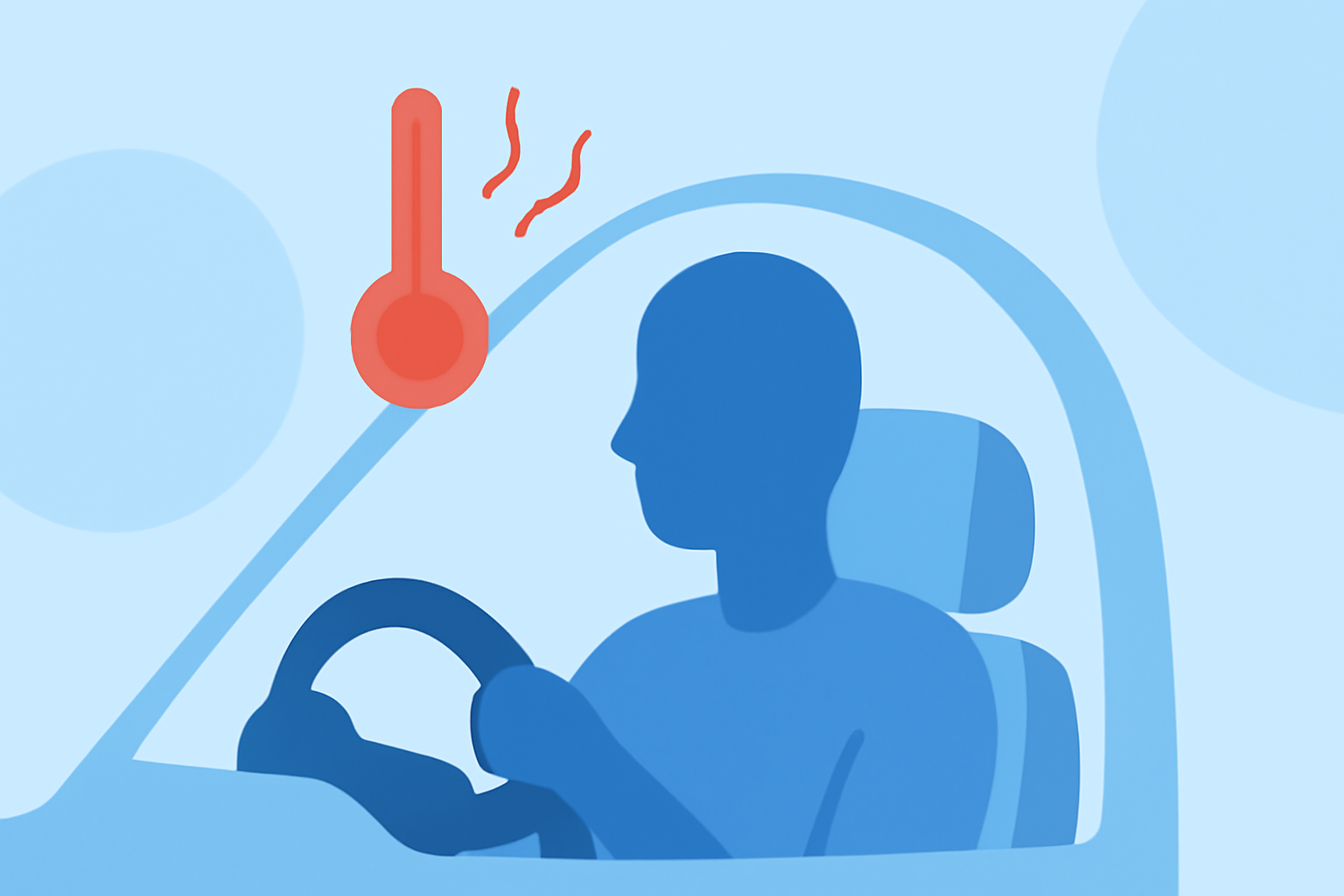
Heat waves can pose significant risks to both drivers and vehicles. Understanding and implementing safety measures is crucial to ensure a safe driving experience during extreme temperatures.
Why Are Heat Waves Dangerous for Drivers?
Extreme heat can lead to various issues, including:
- Vehicle Overheating: Engines and air conditioning systems work harder, increasing the risk of breakdowns.
- Tire Blowouts: High temperatures can cause tire pressure to rise, leading to potential blowouts.
- Health Risks: Heat exhaustion and heatstroke can occur, especially during prolonged exposure to high temperatures.
How Can You Protect Yourself and Your Vehicle?
-
Park in Shaded Areas: Whenever possible, park your car in shaded spots or use a windshield sunshade to reduce interior temperatures and protect the interior from sun damage. (ndtv.com)
-
Ventilate Before Turning on the AC: Before activating the air conditioning, open the windows for a few seconds to release hot air, allowing the AC to cool the cabin more efficiently. (ndtv.com)
-
Gradually Adjust the Air Conditioner: Avoid setting the AC to the coldest level immediately, as this can strain the system and increase fuel consumption. Instead, gradually adjust to a comfortable temperature. (ndtv.com)
-
Monitor Engine Temperature: Keep an eye on the engine temperature gauge. If it rises unusually, pull over safely and allow the engine to cool down to prevent overheating. (ndtv.com)
-
Check Tire Pressure Regularly: High temperatures can cause tire pressure to increase, leading to potential blowouts. Regularly check and maintain tire pressure to ensure safety. (carparts.com)
-
Stay Hydrated: Always carry water in your vehicle, especially during long drives or in heavy traffic, to prevent dehydration and heat-related illnesses. (ndtv.com)
-
Never Leave Children or Pets Unattended: Even with windows slightly open, the interior temperature of a parked car can rise rapidly, posing life-threatening risks to children and pets. Always ensure they are not left alone in the vehicle. (nhtsa.gov)
-
Plan Travel During Cooler Hours: If possible, schedule long drives during early mornings or late evenings when temperatures are lower, reducing the risk of heat-related issues. (ndtv.com)
-
Protect the Car's Interior: Use seat covers, steering wheel wraps, and sunshades to prevent interior components from becoming excessively hot and to protect against sun damage. (ndtv.com)
-
Be Alert to Warning Signs: Pay attention to unusual smells, warning lights, or reduced vehicle performance, as these can indicate heat-related problems that require immediate attention. (ndtv.com)
What Are the Risks of Leaving Children or Pets in a Hot Car?
Leaving children or pets unattended in a vehicle during a heat wave is extremely dangerous. Temperatures inside a parked car can rise rapidly, even with windows slightly open, leading to heatstroke or death. Always ensure that children and pets are not left alone in the vehicle, regardless of the duration. (nhtsa.gov)
How Can You Prepare Your Vehicle for Extreme Heat?
- Regular Maintenance: Ensure that your vehicle is in good working condition by checking coolant levels, tire pressure, and the air conditioning system. (consumerreports.org)
- Clean the Radiator Grill: Remove any debris from the radiator grill to allow for proper airflow and prevent overheating. (consumerreports.org)
- Service the Battery: Have the battery's charge, terminals, and mounting checked to prevent potential failures during high temperatures. (consumerreports.org)
What Are the Symptoms of Heat Exhaustion and Heatstroke?
Heat exhaustion symptoms include nausea, weakness, headaches, and dizziness. If not addressed promptly, heat exhaustion can progress to heatstroke, characterized by confusion, seizures, and loss of consciousness. If you experience these symptoms, seek medical attention immediately. (time.com)
How Can You Stay Cool While Driving?
- Use Air Conditioning Wisely: Set the AC to a comfortable temperature gradually to avoid overworking the system. (ndtv.com)
- Wear Light Clothing: Opt for light-colored, loose-fitting clothing to help keep your body cool.
- Use Sunshades: Employ sunshades to block direct sunlight and reduce interior temperatures.
By following these guidelines, you can enhance your safety and comfort during heat waves. Always remain vigilant and proactive to prevent heat-related incidents while driving.
Highlights:
- How to Know When High Temperatures Are Getting Dangerous-And What to Do to Stay Safe in a Heat Wave, Published on Wednesday, June 19