
Heat Wave Safety Tips for Athletes
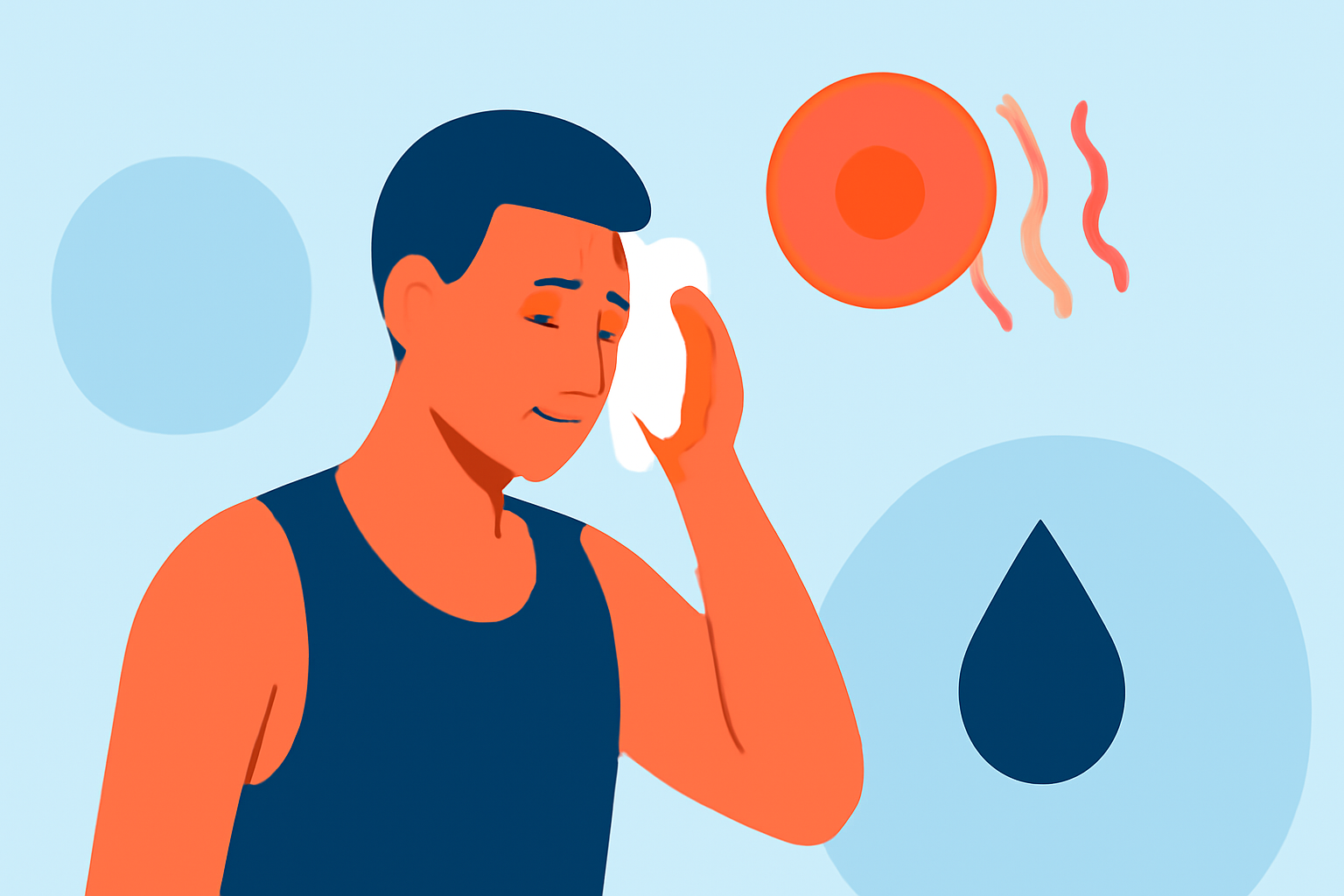
Heat waves pose significant risks to athletes, increasing the likelihood of heat-related illnesses. To ensure safety during such conditions, consider the following strategies:
1. Understand the Heat Index
The heat index combines temperature and humidity to indicate how hot it feels. Monitoring this index helps assess the risk level:
-
80°F–90°F (27°C–32°C): Low risk.
-
91°F–95°F (33°C–35°C): Moderate risk.
-
96°F–104°F (36°C–40°C): High risk.
-
105°F and above (41°C+): Extreme risk.
Adjust training and competition schedules based on these levels to minimize exposure during peak heat. (onondaga.gov)
2. Prioritize Hydration
Maintaining proper hydration is crucial:
-
Before Activity: Consume 16–24 ounces of water 2 hours prior to exercise.
-
During Activity: Drink 6–12 ounces of water every 10–20 minutes.
-
After Activity: Rehydrate with 16–24 ounces of water for every pound lost during exercise.
Regular hydration helps prevent heat-related illnesses and supports optimal performance. (onondaga.gov)
3. Implement Acclimatization Practices
Gradually increasing exposure to heat allows the body to adapt:
-
Gradual Exposure: Over 7–14 days, slowly increase the duration and intensity of outdoor practices.
-
Monitor Responses: Pay attention to signs of heat stress and adjust training accordingly.
Acclimatization enhances the body's ability to manage heat stress during exercise. (koreystringer.institute.uconn.edu)
4. Recognize Heat-Related Illnesses
Be vigilant for symptoms such as dizziness, nausea, excessive sweating, and confusion. If these occur, stop activity immediately, move to a cooler environment, and seek medical attention. (cdc.gov)
5. Adjust Training and Equipment
Modify practices to reduce heat exposure:
-
Timing: Schedule workouts during cooler parts of the day.
-
Clothing: Wear lightweight, light-colored, and loose-fitting attire.
-
Equipment: Limit the use of heavy gear when possible.
These adjustments help mitigate heat stress and maintain performance. (onondaga.gov)
6. Monitor Weather Conditions
Stay informed about local weather forecasts and heat advisories. Utilize resources like the CDC's HeatRisk Dashboard to assess local heat risks and plan activities accordingly. (cdc.gov)
By implementing these strategies, athletes can safely navigate heat waves and maintain peak performance.