
Heat Wave Safety Tips for Travelers
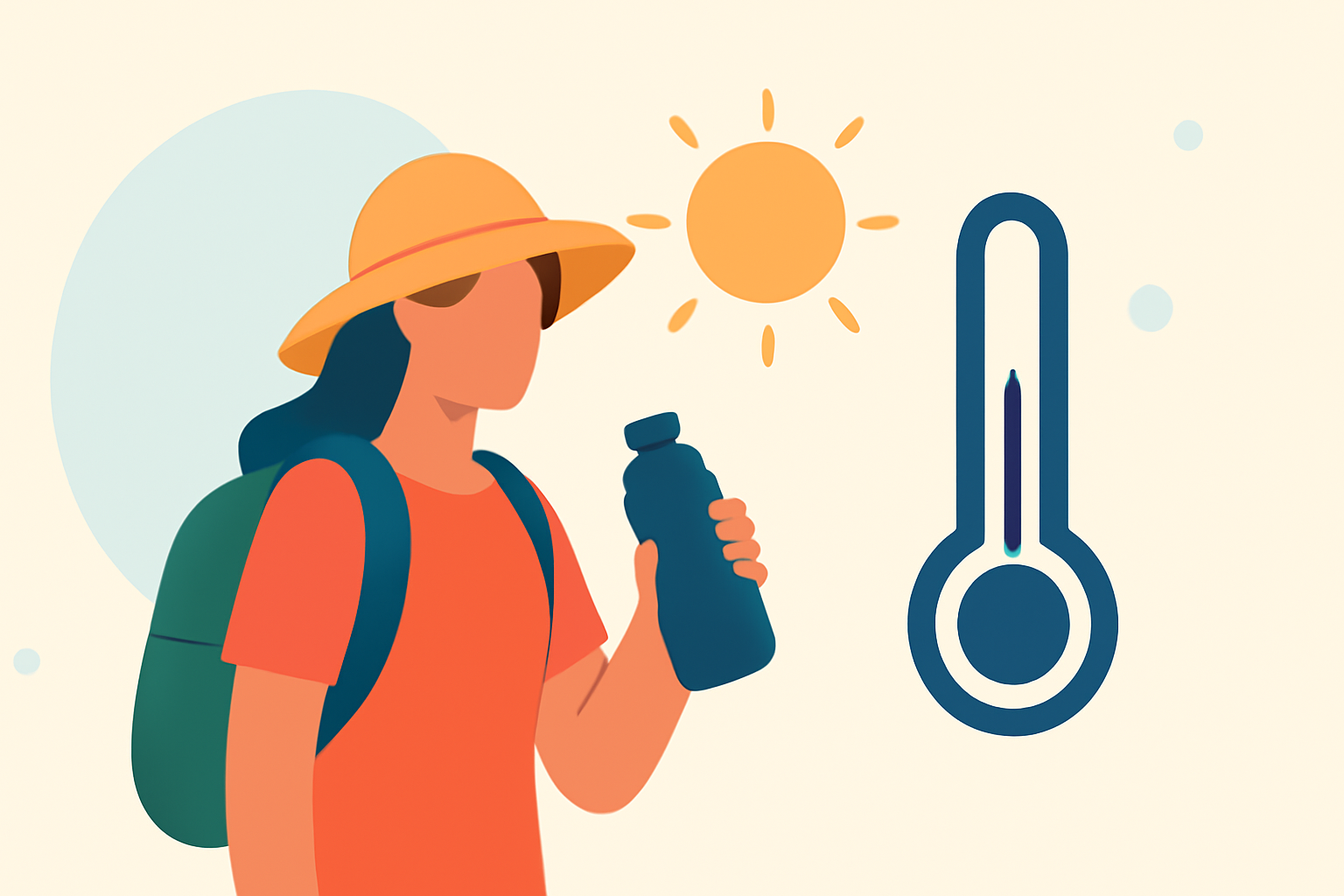
Traveling during a heat wave requires extra precautions to ensure your safety and well-being. Heat waves, characterized by prolonged periods of excessively hot weather, can pose serious health risks, especially to vulnerable individuals. (weather.com)
Understanding Heat-Related Illnesses
Heat-related illnesses range from mild conditions like heat exhaustion to severe ones such as heat stroke. Heat exhaustion symptoms include excessive thirst, profuse sweating, headache, dizziness, confusion, and nausea. If not addressed promptly, heat exhaustion can escalate to heat stroke, a life-threatening condition characterized by a body temperature rising to 106°F (41°C) or higher within 10-15 minutes, lack of sweating, and loss of consciousness. (wwwnc.cdc.gov)
Preventive Measures for Travelers
To safeguard yourself during heat waves:
-
Stay Hydrated: Drink plenty of non-alcoholic fluids, especially water, to maintain hydration. (wwwnc.cdc.gov)
-
Dress Appropriately: Wear lightweight, loose-fitting, and light-colored clothing to reflect heat and sunlight. (weather.gov)
-
Limit Outdoor Activities: Schedule outdoor activities during cooler parts of the day, such as early morning or late evening. (wwwnc.cdc.gov)
-
Seek Shade and Rest: Take frequent breaks in shaded areas and rest often to prevent overexertion. (wwwnc.cdc.gov)
-
Use Sun Protection: Apply sunscreen with SPF 15 or higher, wear a hat with a wide brim, and use sunglasses to protect against UV rays. (cdc.gov)
Recognizing and Responding to Heat-Related Illnesses
Being aware of the symptoms of heat-related illnesses is crucial. If you or someone you are traveling with exhibits signs of heat exhaustion, move to a cooler place, hydrate with cool, non-alcoholic beverages, and rest. If symptoms worsen or heat stroke is suspected—indicated by a high body temperature, lack of sweating, and confusion—seek immediate medical attention. (wwwnc.cdc.gov)
Utilizing Clime for Heat Wave Preparedness
Clime offers real-time weather updates and heat alerts, enabling travelers to plan their activities around the hottest parts of the day. By staying informed about local conditions, you can make timely decisions to avoid heat exposure. Additionally, Clime provides safety tips and guidelines tailored to current weather conditions, helping you implement effective preventive measures.
Conclusion
Traveling during a heat wave necessitates vigilance and preparation. By understanding the risks, taking preventive actions, and utilizing tools like Clime, you can enjoy your travels safely, even in extreme heat conditions.