
Heat Wave Safety Tips for Travelers in the United States
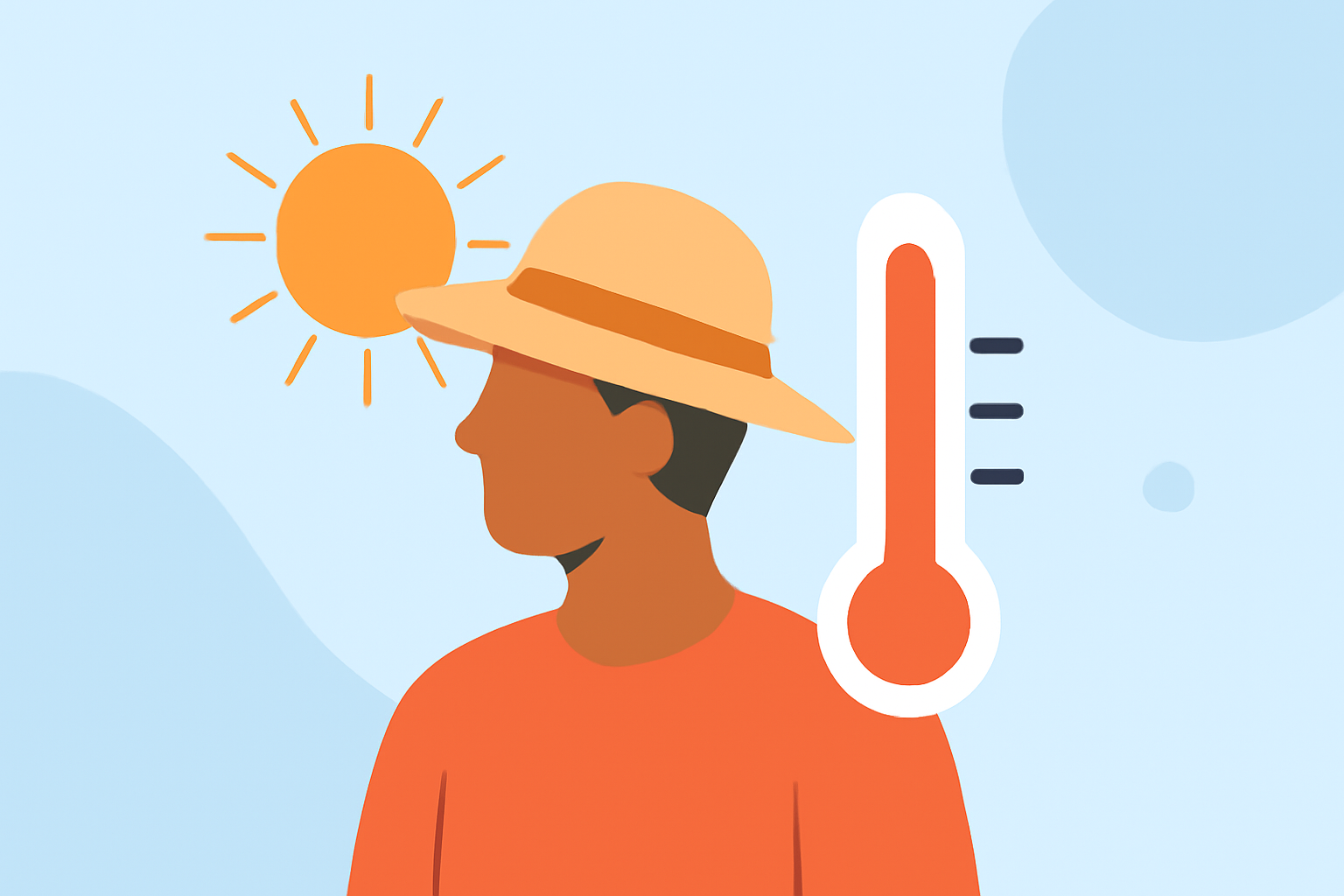
Traveling during a heat wave can pose significant health risks, including dehydration, heat exhaustion, and heat stroke. To ensure your safety, consider the following tips:
1. Stay Hydrated
Regularly drink water, even if you don't feel thirsty, to prevent dehydration. Avoid alcohol and caffeine, as they can increase the risk of dehydration. (wwwnc.cdc.gov)
2. Dress Appropriately
Wear loose-fitting, lightweight, and light-colored clothing to help keep your body cool. A wide-brimmed hat and sunglasses can also provide shade and protect against sun exposure. (un.org)
3. Limit Outdoor Activities
Schedule outdoor activities during the cooler parts of the day, typically early morning or late evening. Avoid strenuous activities during peak heat hours, usually between 10 a.m. and 4 p.m. (news.va.gov)
4. Seek Shade and Cool Environments
Whenever possible, stay in shaded areas or air-conditioned spaces. If air conditioning isn't available, spend time in public places like shopping malls or libraries. (almanac.com)
5. Protect Your Skin
Apply sunscreen with an SPF of 15 or higher to exposed skin and reapply every two hours or as directed. This helps prevent sunburn, which can increase the risk of heat-related illnesses. (wwwnc.cdc.gov)
6. Recognize Heat-Related Illnesses
Be aware of symptoms such as excessive thirst, heavy sweating, dizziness, nausea, and confusion. If you or someone you're with experiences these symptoms, move to a cooler place, hydrate, and seek medical attention if necessary. (wwwnc.cdc.gov)
7. Monitor Local Weather and Alerts
Stay informed about local weather conditions and heed any heat advisories or warnings issued by local authorities. This information can help you plan your activities and take necessary precautions. (consumerreports.org)
8. Prepare Your Accommodation
Ensure your lodging has air conditioning or fans to maintain a comfortable temperature. If not, consider spending time in public cooling centers during the hottest parts of the day. (almanac.com)
9. Be Cautious with Children and Pets
Never leave children or pets in parked vehicles, as temperatures can rise rapidly to dangerous levels. Keep them in cool, shaded areas and ensure they have access to fresh water. (un.org)
10. Plan for Emergencies
Know the location of the nearest medical facility and have a list of emergency contacts. Familiarize yourself with the signs of heat-related illnesses and the appropriate first aid measures. (wwwnc.cdc.gov)
By following these guidelines, you can help ensure a safe and enjoyable travel experience during heat waves in the United States.
Highlights:
- Heat Wave in Europe: What Every Traveler Needs to Know, Published on Thursday, July 24
- A Heat Wave Is Hitting Much of the U.S. This Week. Here's How to Stay Safe, Published on Friday, June 29
- How to Know When High Temperatures Are Getting Dangerous-And What to Do to Stay Safe in a Heat Wave, Published on Wednesday, June 19