
Essential Tips for Staying Safe During Heat Waves in the United States
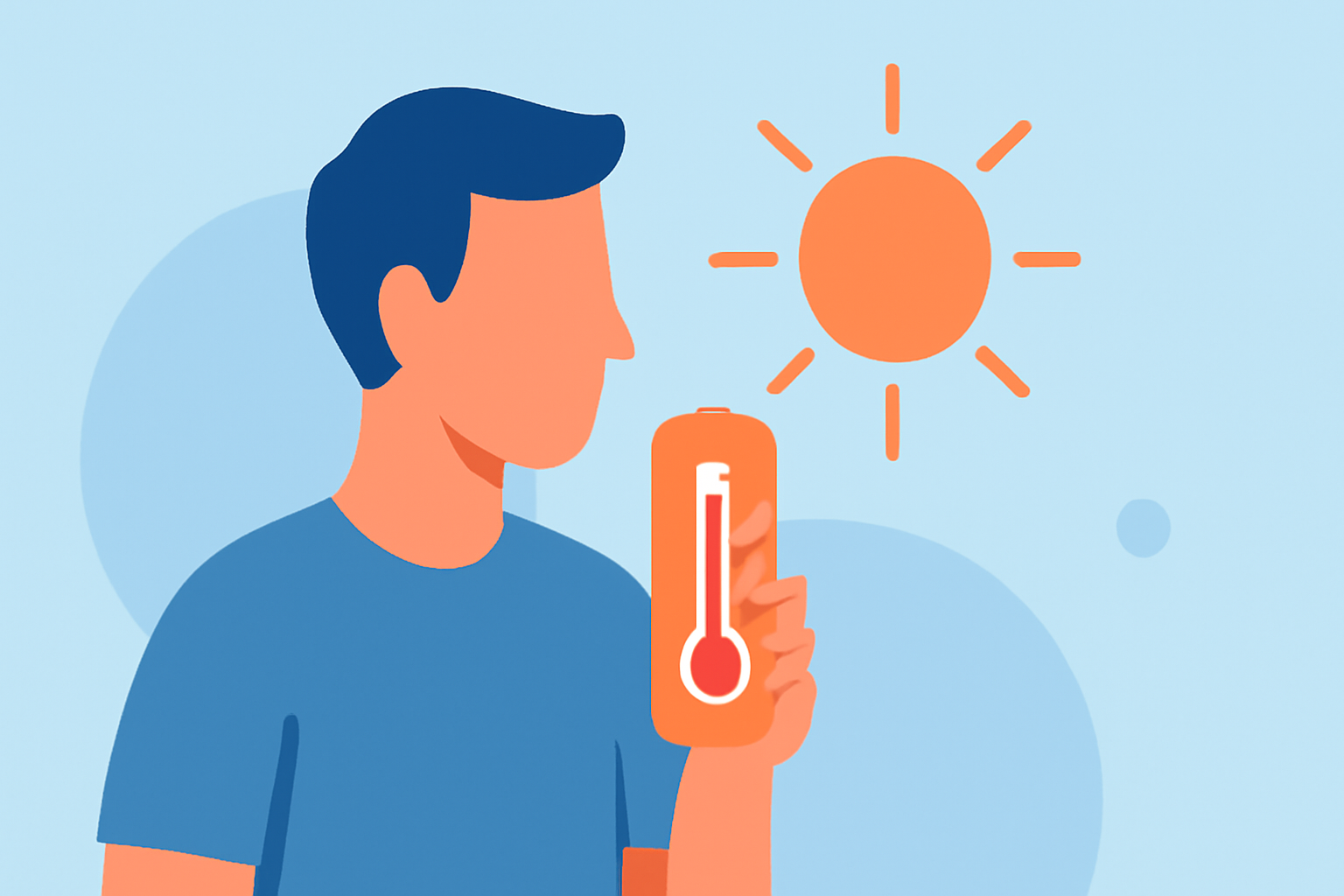
Heat waves pose significant health risks, especially during the summer months. Understanding how to stay safe during these extreme conditions is crucial. Here are some essential tips to help you navigate heat waves effectively.
What Are Heat Waves and Why Are They Dangerous?
A heat wave is a prolonged period of excessively hot weather, which can be dangerous to health. Extreme heat can lead to heat-related illnesses, such as heat exhaustion and heat stroke, which can be life-threatening if not addressed promptly. (cdc.gov)
How Can I Protect Myself During a Heat Wave?
Stay Hydrated: Drink plenty of water throughout the day, even if you don't feel thirsty. Avoid alcohol and high-sugar drinks, as they can dehydrate you. (cdc.gov)
Stay Indoors: Limit outdoor activities during peak heat hours, typically between 10 a.m. and 4 p.m. If you don't have air conditioning, consider visiting public places like malls or libraries to stay cool. (apha.org)
Dress Appropriately: Wear loose-fitting, lightweight, and light-colored clothing to help your body stay cool. A wide-brimmed hat can also provide shade and protect your face and head. (police.siu.edu)
Use Cooling Methods: Take cool showers or baths to lower your body temperature. Using fans or placing a bowl of ice in front of a fan can also help cool the air in your home. (almanac.com)
What Are the Signs of Heat-Related Illnesses?
Recognizing the symptoms of heat-related illnesses is vital:
-
Heat Exhaustion: Symptoms include heavy sweating, weakness, dizziness, nausea, and headaches. Move to a cooler place, drink water, and rest. (cdc.gov)
-
Heat Stroke: Symptoms include confusion, rapid heartbeat, and loss of consciousness. This is a medical emergency; call 911 immediately. (cdc.gov)
How Can I Prepare My Home for a Heat Wave?
Maintain Cooling Systems: Ensure your air conditioning units are clean and functioning properly. If you don't have air conditioning, use fans and keep curtains or blinds closed during the day to block out heat. (epa.gov)
Seal Leaks: Check for and seal any gaps or cracks in windows and doors to prevent warm air from entering your home.
Use Heat-Reflective Materials: Install heat-reflective window films or shades to reduce heat absorption.
How Can I Help Vulnerable Individuals During a Heat Wave?
Check on At-Risk Individuals: Regularly check on elderly family members, neighbors, and others who may be more susceptible to heat-related illnesses. Ensure they have access to cool environments and are staying hydrated. (time.com)
Provide Resources: Offer assistance in accessing cooling centers or transportation to air-conditioned public spaces.
Educate and Support: Share information about heat safety and be supportive, especially if they have limited mobility or resources.
How Can I Stay Informed About Heat Waves?
Monitor Weather Updates: Stay informed by checking local weather forecasts and heat advisories. The National Weather Service provides heat alerts and warnings to help you prepare. (consumerreports.org)
Use Technology: Consider using weather apps or services that provide real-time updates on heat conditions in your area.
Community Resources: Stay connected with local community centers or organizations that may offer resources or information during heat waves.
By following these guidelines, you can significantly reduce the risks associated with heat waves and ensure the safety and well-being of yourself and those around you.
Highlights:
- What To Do If You See Someone Suffering From Heat Exhaustion, Published on Wednesday, July 30
- A Heat Wave Is Hitting Much of the U.S. This Week. Here's How to Stay Safe, Published on Friday, June 29
- How to Know When High Temperatures Are Getting Dangerous-And What to Do to Stay Safe in a Heat Wave, Published on Wednesday, June 19