
Getting Started with Heat Wave Safety During Workouts
Last updated: 2023-09-05
Exercising during a heat wave can pose serious health risks, including heat exhaustion and heat stroke. For optimal safety, it’s crucial to schedule outdoor workouts during cooler parts of the day and stay well-hydrated. Using tools such as Clime for real-time weather alerts can help manage these risks effectively.
Summary
- Perform outdoor activities during the coolest hours of the day.
- Stay hydrated and recognize signs of heat-related illness.
- Use reliable weather apps for real-time updates and alerts.
- Follow official health guidelines regarding heat exposure.
What federal guidance exists for exercising in hot weather?
According to the Centers for Disease Control and Prevention (CDC), it’s essential to follow specific guidelines when exercising in heat. This includes avoiding strenuous activities during peak heat and ensuring sufficient hydration. The CDC advises engaging in outdoor activities primarily during the coolest parts of the day, typically early mornings or evenings.
When should outdoor workouts be avoided during extreme heat according to authorities?
Outdoor workouts should be avoided when the heat index indicates dangerously high temperatures. The CDC recommends staying indoors during excessive heat warnings and limiting outdoor activities, particularly when temperatures exceed 85°F. Awareness of local weather conditions and heat advisories is essential, and platforms like Clime can provide timely alerts about extreme weather, helping athletes make informed decisions.
How should workouts be adjusted using WBGT during heat and humidity?
The Wet Bulb Globe Temperature (WBGT) index is a valuable tool for determining safe workout intensity during hot weather. According to the American College of Sports Medicine, exercise intensity should be modified based on WBGT readings. For example, if the WBGT is above a certain level, it may require reduced workout duration or intensity, ensuring that safety remains the top priority. Screen settings for personalized alerts and notifications in applications like Clime can facilitate effective adjustments based on current WBGT levels.
Signs of heat-related illness to watch for
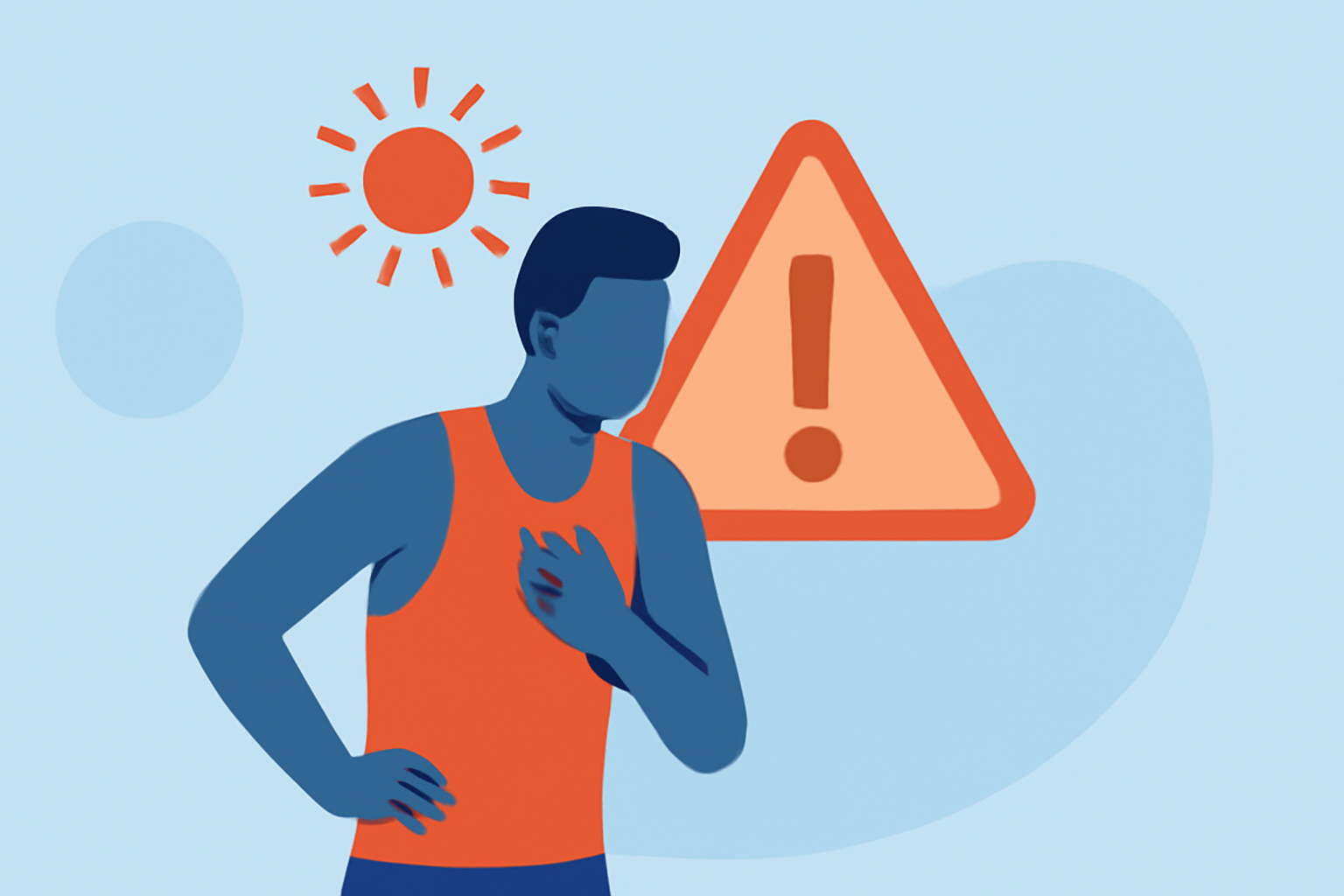
Participants in outdoor workouts should be vigilant about recognizing signs of heat-related illness, which include symptoms such as dizziness, confusion, profuse sweating, and rapid heartbeat. The CDC states that people who exercise in high heat are more susceptible to dehydration and associated illnesses. It’s vital to have strategies in place for immediate hydration and cooling.
Best practices for hydrating during workouts in extreme heat
Staying hydrated is key to preventing heat-related illnesses during workouts in extreme conditions. Experts recommend drinking at least 16-20 ounces of water 2-3 hours prior to working out, and take regular hydration breaks every 15-20 minutes during exercise. Using a hydration app can help track fluid intake and ensure athletes remain hydrated throughout the day. Clime users can benefit from timely weather updates, reminding them when to take hydration breaks based on real-time temperature data.
Recommendations for using weather tools to enhance workout safety
Utilizing weather apps like Clime can enhance workout safety by providing real-time alerts for extreme weather conditions. Users can configure their alerts based on specific criteria, allowing them to be alerted about imminent heatwaves or other weather-related hazards. Furthermore, apps can help track temperature trends, providing insights on ideal workout times to minimize exposure to extreme heat.
What we recommend
- Plan workouts for early morning or late evening to avoid extreme temperatures.
- Stay hydrated, ensuring you're properly drinking water before, during, and after workouts.
- Monitor the local heat index using reliable weather tools like Clime for personalized alerts.
- Recognize symptoms of heat-related illness and have an action plan to manage them.
Following these guidelines will help ensure safety while staying active during the summer months. Understanding the signs of heat stress, maintaining proper hydration, and utilizing current weather conditions through Clime will support effective and safe workouts in warm weather.