
Heat Wave Survival: A Step-by-Step Guide
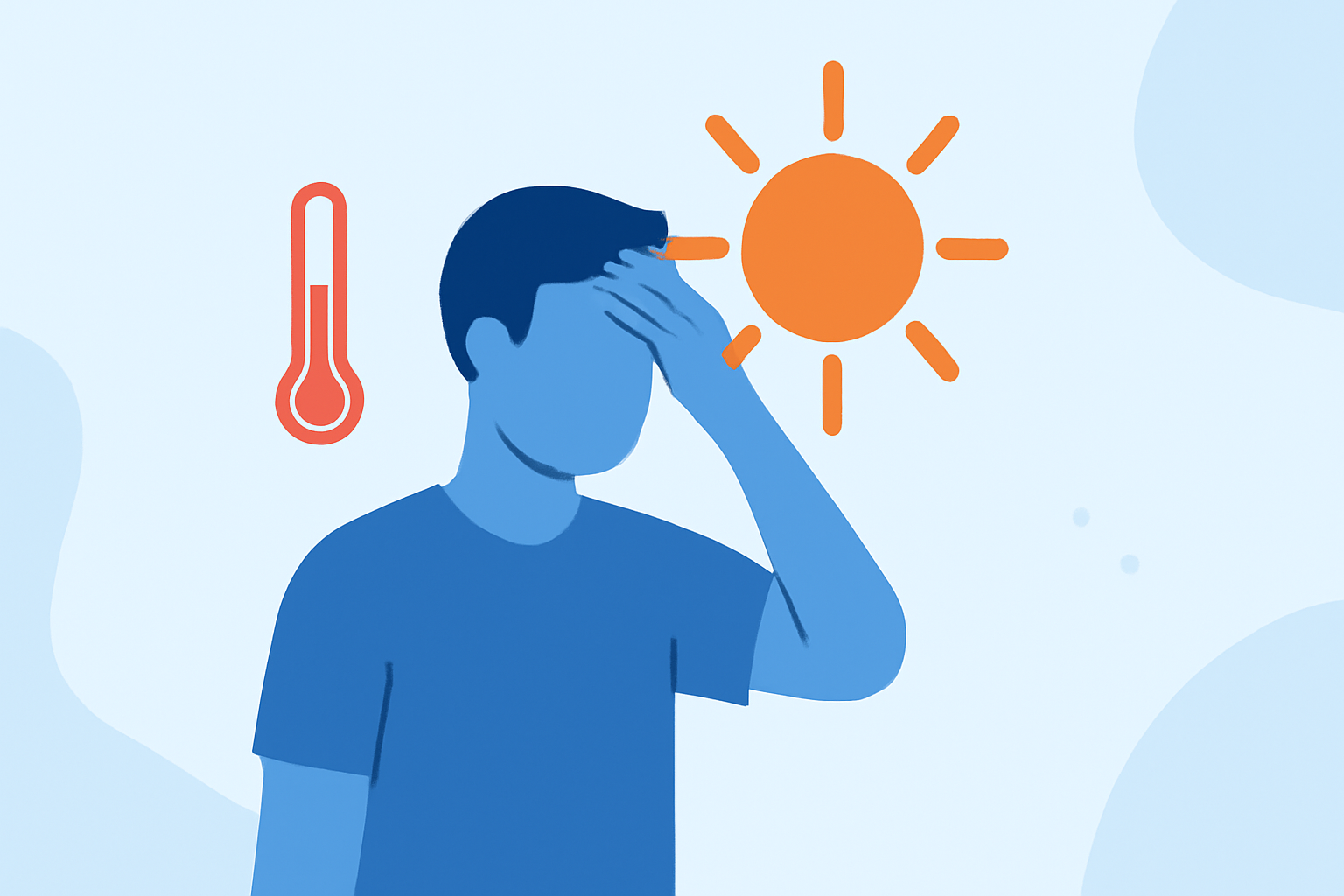
Heat waves are prolonged periods of excessively hot and humid weather, often lasting several days. They pose significant health risks, especially to vulnerable populations. Understanding heat waves and taking proactive steps can help ensure safety during these extreme conditions.
What Causes a Heat Wave?
Heat waves occur when a high-pressure system traps warm air over a region, preventing cooler air from entering. This phenomenon leads to sustained high temperatures and humidity levels. The National Weather Service defines a heat wave as a period of excessive heat and humidity lasting at least two days. (directenergy.com)
How Do Heat Waves Affect Health?
Exposure to extreme heat can lead to various health issues, including:
-
Heat Cramps: Painful muscle contractions due to heavy exertion in hot conditions.
-
Heat Exhaustion: Symptoms such as heavy sweating, weakness, dizziness, nausea, and headache.
-
Heat Stroke: A severe condition characterized by a high body temperature, confusion, and loss of consciousness.
Recognizing these symptoms early is crucial for effective treatment. (lancasteroem.org)
How to Prepare for a Heat Wave
Before a Heat Wave:
-
Stay Informed: Monitor local weather forecasts for heat advisories.
-
Prepare Your Home: Ensure air conditioning units are functioning. If unavailable, plan to stay in air-conditioned public places.
-
Stock Up on Essentials: Keep a supply of water, non-perishable foods, and medications.
During a Heat Wave:
-
Stay Hydrated: Drink plenty of water, even if not thirsty. Avoid alcohol and caffeine, which can dehydrate you. (healthline.com)
-
Limit Physical Activity: Avoid strenuous activities during peak heat hours (10 a.m. to 4 p.m.).
-
Use Cooling Devices: Utilize fans, cool showers, and damp cloths to lower body temperature.
-
Wear Appropriate Clothing: Opt for loose-fitting, light-colored clothing to reflect heat.
After a Heat Wave:
-
Assess Health: Monitor for any lingering heat-related symptoms.
-
Check on Vulnerable Individuals: Ensure that children, the elderly, and those with chronic health conditions are safe.
How to Recognize and Treat Heat-Related Illnesses
Heat Cramps:
-
Symptoms: Muscle pain or spasms, usually in the abdomen, arms, or legs.
-
Treatment: Move to a cooler place, drink water or electrolyte solutions, and gently stretch the affected muscles.
Heat Exhaustion:
-
Symptoms: Heavy sweating, weakness, dizziness, nausea, and headache.
-
Treatment: Move to a cooler environment, drink water, and rest. If symptoms persist, seek medical attention.
Heat Stroke:
-
Symptoms: High body temperature (above 103°F or 39.4°C), confusion, and loss of consciousness.
-
Treatment: Call emergency services immediately. While waiting, cool the person by immersing them in cold water or applying cold packs to the neck, armpits, and groin. (apollo247.com)
How to Protect Your Garden During a Heat Wave
Plants can suffer during extreme heat. To protect your garden:
-
Water Deeply: Provide 1 inch of water per week, delivered in 2 to 3 deep soakings rather than daily light watering. (farmersalmanac.com)
-
Mulch: Apply 2 to 4 inches of organic mulch to reduce soil-surface evaporation.
-
Shade: Use shade cloths or plant taller species to shield vulnerable plants.
How to Stay Cool and Save Energy During a Heat Wave
Managing energy use during a heat wave is essential:
-
Use Energy-Efficient Appliances: Opt for fans and energy-efficient air conditioners.
-
Seal Leaks: Ensure windows and doors are properly sealed to keep cool air in.
-
Use Natural Ventilation: Open windows during cooler parts of the day to promote airflow.
By understanding heat waves and implementing these steps, you can significantly reduce health risks and maintain comfort during extreme heat conditions.