
Understanding the Link Between Heat Waves and Migraines
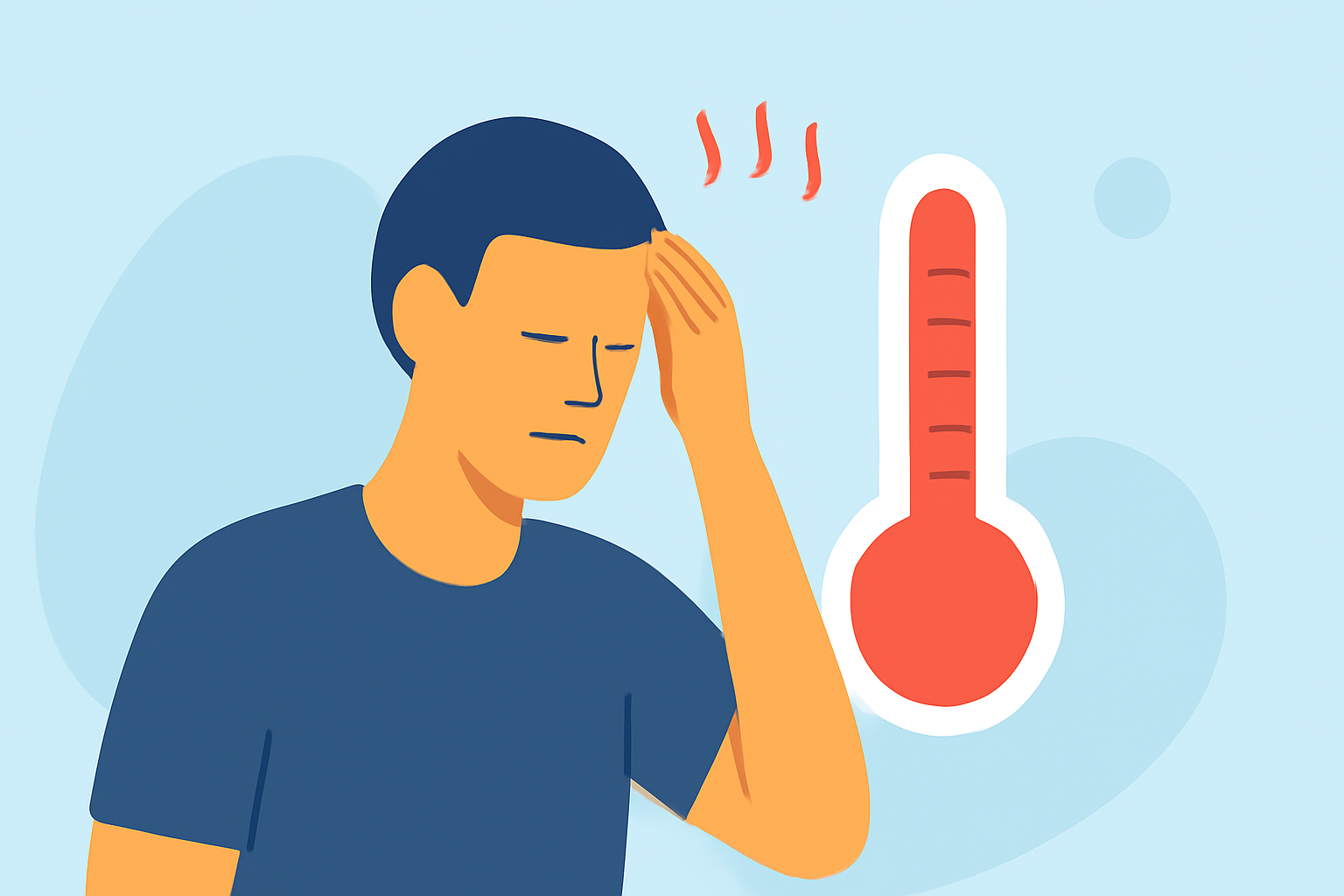
Heat waves, characterized by prolonged periods of excessively high temperatures, can significantly impact individuals prone to migraines. Understanding the connection between heat and migraine onset is crucial for effective management and prevention.
How Do Heat Waves Trigger Migraines?
Several factors during heat waves can contribute to the onset of migraines:
-
Dehydration: High temperatures increase the body's need for water. Inadequate hydration can lead to dehydration, a known migraine trigger. (healthline.com)
-
High Humidity: Elevated humidity levels can affect the body's ability to cool itself, potentially leading to discomfort and triggering migraines. (healthline.com)
-
Barometric Pressure Changes: Heat waves often come with shifts in atmospheric pressure, which can influence migraine susceptibility. (mayoclinic.org)
Who Is Most Affected?
Individuals with a history of migraines are particularly susceptible to heat-induced attacks. Sensitivity varies, and not everyone will experience migraines during heat waves. However, those who do may find their symptoms exacerbated by high temperatures. (healthline.com)
Preventive Measures During Heat Waves
To mitigate the risk of migraines during heat waves, consider the following strategies:
-
Stay Hydrated: Ensure adequate water intake to prevent dehydration. (healthline.com)
-
Monitor Weather Conditions: Keep an eye on local weather forecasts to anticipate heat waves and plan accordingly.
-
Limit Outdoor Activities: During peak heat, reduce outdoor exposure to minimize heat-related stress.
-
Maintain a Consistent Routine: Regular sleep and meal schedules can help stabilize the body’s response to environmental changes.
Clime's Role in Managing Heat-Induced Migraines
Clime offers a comprehensive solution to help individuals monitor and manage weather-related migraine triggers. By providing real-time weather updates and personalized alerts, Clime empowers users to make informed decisions during heat waves. This proactive approach aids in reducing the frequency and severity of heat-induced migraines.
Conclusion
Heat waves can pose significant challenges for those susceptible to migraines. By understanding the triggers and implementing preventive measures, individuals can better manage their health during extreme heat events. Utilizing tools like Clime can further enhance this management, offering tailored insights to navigate weather-induced migraine risks effectively.