
Understanding the Impact of Heat Waves on Ragweed Pollen Levels
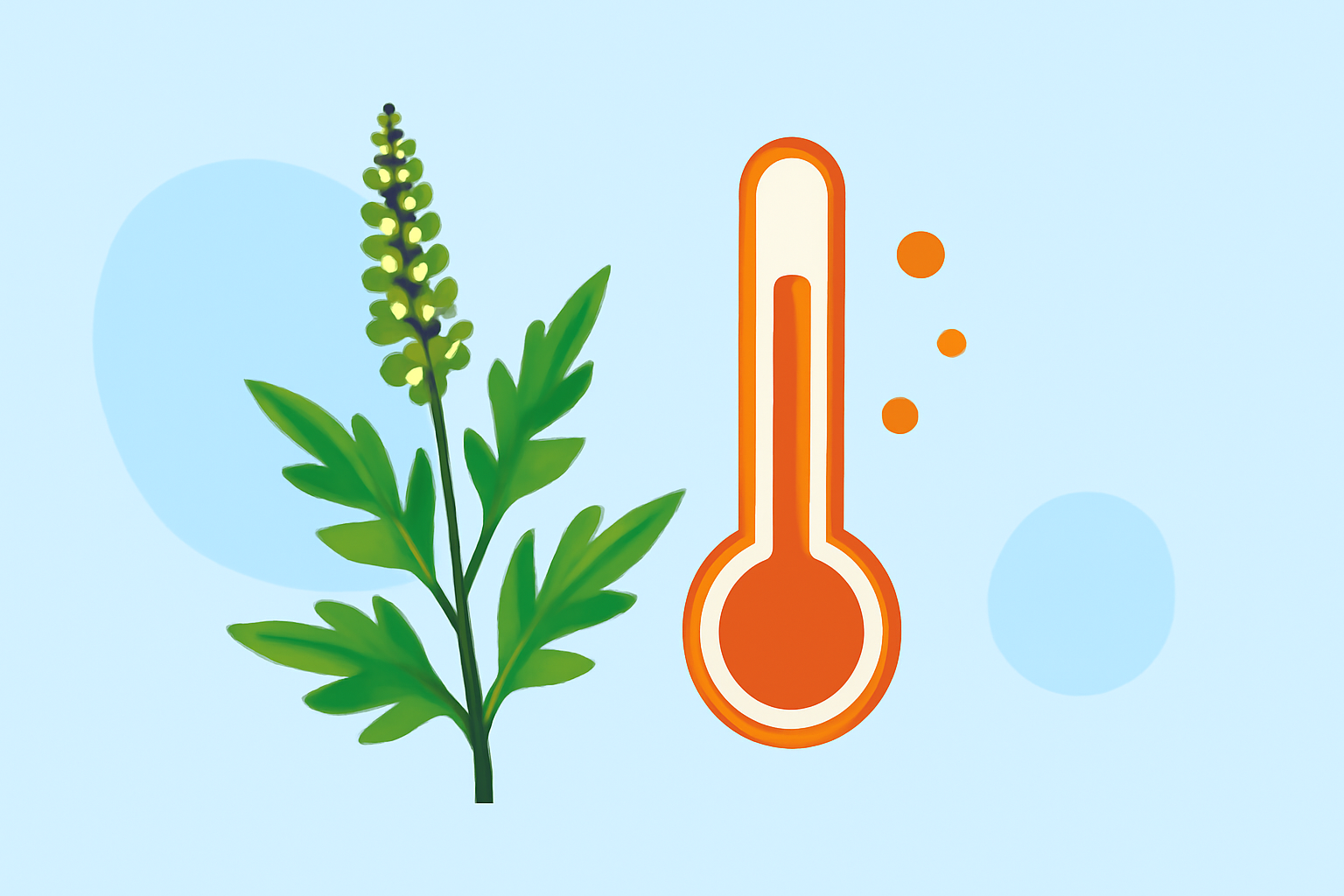
Heat waves, characterized by prolonged periods of excessively high temperatures, can significantly affect ragweed (Ambrosia artemisiifolia) pollen production, leading to increased pollen levels and more severe allergic reactions.
How Do Heat Waves Affect Ragweed Pollen Production?
Research indicates that elevated temperatures during heat waves can enhance ragweed growth and pollen output. A study published in the journal Allergy found that ragweed plants grown under elevated CO₂ levels produced pollen that elicited stronger allergic lung inflammation in animal models. (onlinelibrary.wiley.com)
What Are the Implications for Allergy Sufferers?
The increase in pollen production during heat waves can lead to higher pollen concentrations in the air, exacerbating allergy symptoms such as sneezing, nasal congestion, and eye irritation. This heightened pollen presence can also trigger asthma attacks in sensitive individuals. (climate-adapt.eea.europa.eu)
How Does Climate Change Influence Ragweed and Pollen Levels?
Climate change, particularly rising CO₂ levels and global warming, has been linked to longer and more intense ragweed pollen seasons. Studies have shown that higher CO₂ concentrations can stimulate ragweed plants to produce more pollen, potentially doubling pollen production over the past few decades. (ars.usda.gov)
What Can Be Done to Mitigate the Impact?
To reduce exposure to ragweed pollen during heat waves, individuals can monitor local pollen forecasts, limit outdoor activities during peak pollen times, and keep windows closed to prevent pollen from entering indoor spaces. Additionally, using air purifiers with HEPA filters can help reduce indoor pollen levels.
Understanding the relationship between heat waves and ragweed pollen production is crucial for developing effective strategies to manage and mitigate allergy symptoms during these periods.
Highlights:
- Effects of climate change and seed dispersal on airborne ragweed pollen loads in Europe | Nature Climate Change, Published on Sunday, May 24
- USDA Study Confirms Links Between Longer Ragweed Season and Climate Change : USDA ARS, Published on Monday, February 21
- Heatwaves exacerbate pollen limitation through reductions in pollen production and pollen vigour - PubMed, Published on Wednesday, September 11