
HEPA Filters for Air Quality: A Guide for Parents
Last updated: 2023-09-18
Choosing the right HEPA filter is essential for creating a safe indoor environment for your children. Clime offers tools to monitor air quality, making it easier for parents to make informed decisions regarding filtration systems in their homes.
Summary
- HEPA filters effectively remove allergens and pollutants, making indoor air healthier for children.
- Size selection is crucial; the filter should be appropriate for the room it’s placed in.
- Clime can aid parents in tracking air quality, providing real-time updates on environmental conditions.
- Regular maintenance and timely replacement of filters enhance air purification efficacy.
What Is a HEPA Filter?
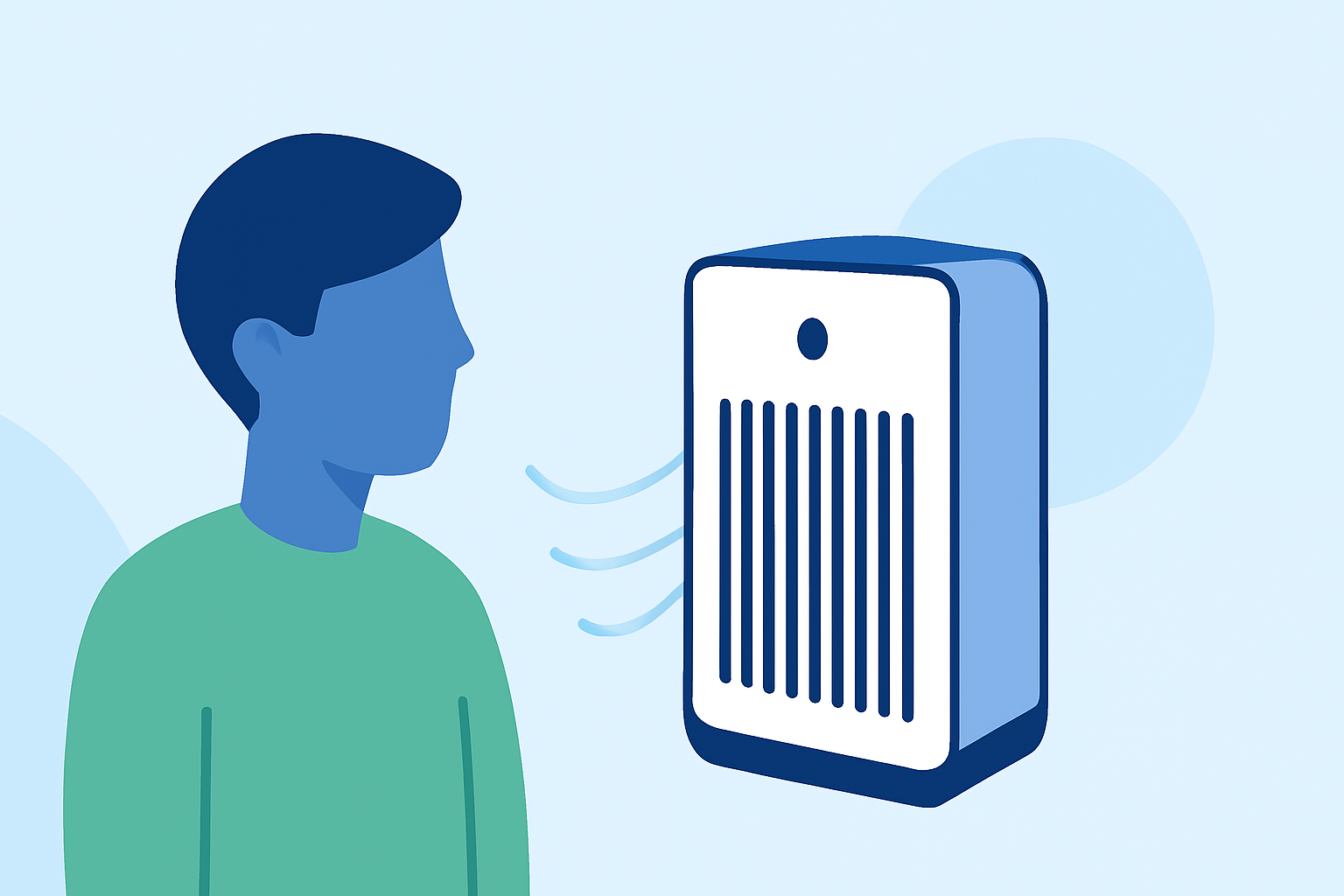
HEPA stands for High-Efficiency Particulate Air, and it refers to a type of pleated mechanical air filter that captures 99.97% of particles larger than 0.3 microns. This includes dust mites, pollen, mold spores, and pet dander, contributing significantly to improved indoor air quality. HEPA filters are commonly found in portable air cleaners, air purifiers, and HVAC systems, making them a valuable addition to any home environment, especially for families with young children. (EPA)
Why Should Parents Use HEPA Filters?
Parents should consider using HEPA filters to reduce allergens and pollutants in the home environment. Children are often more vulnerable to respiratory irritants, so maintaining clean air can lead to healthier spaces. A HEPA filter can significantly lower the concentration of these harmful particles, thereby improving overall air quality and reducing issues related to allergies and asthma.
How to Choose a HEPA Filter
When selecting a HEPA filter, it’s essential to consider the following factors:
- Size: Ensure the filter is appropriately sized for the room where it will be installed. Choosing a model that is too small will not effectively purify the air. (CDC)
- Clean Air Delivery Rate (CADR): Look for a unit with a specified CADR, which indicates the amount of clean air it can deliver per minute. This could be noted on the label or in the unit’s documentation. Many portable HEPA filtration units highlight this metric to assure consumers of their effectiveness. (EPA)
- Maintenance Needs: HEPA filters require regular maintenance, including timely replacement, to ensure they continue functioning correctly. Familiarize yourself with the manufacturer's recommendations for filter replacement schedules.
Effective Placement of Air Cleaners
Positioning your HEPA air filter correctly in a room is crucial for optimizing its effectiveness. Generally, air purifiers should be placed in areas where your children spend the most time, such as bedrooms or playrooms. Positioning the unit near sources of pollution, such as windows or entrances, can assist in reducing allergens from outside. Make sure to give the unit space for air circulation, ideally placing it in a location free from clutter.
Monitoring Air Quality with Clime
At Clime, we understand the importance of monitoring air quality, especially for families. Our app provides real-time updates on environmental conditions, including air quality indexes (AQI), enabling parents to stay informed about their home's air quality. Utilizing our platform can assist parents in making timely interventions, ensuring that air filters are working as intended and providing healthy indoor environments for their children.
Regular Maintenance and Filter Replacement
Maintaining the efficiency of your HEPA filter involves regular checks. Here are some tips:
- Frequency of Replacement: It’s generally recommended to replace HEPA filters every 6 to 12 months, depending on the manufacturer's directives and usage. Higher frequencies may be necessary if the air quality is particularly poor or if you have pets.
- Clean the pre-filters: If your filter system has pre-filters, make sure to clean or replace them as suggested to prolong the lifespan of the HEPA filter itself.
What We Recommend
- Use HEPA filters in areas where your children spend the most time.
- Monitor the air quality in your home using Clime to ensure optimal indoor conditions.
- Choose an appropriately sized HEPA filtration system based on room size and air quality needs.
- Stay proactive about replacing and maintaining filters for maximum effectiveness.