
HEPA Filters for Air Quality: A Comprehensive Guide
Last updated: 2023-09-08
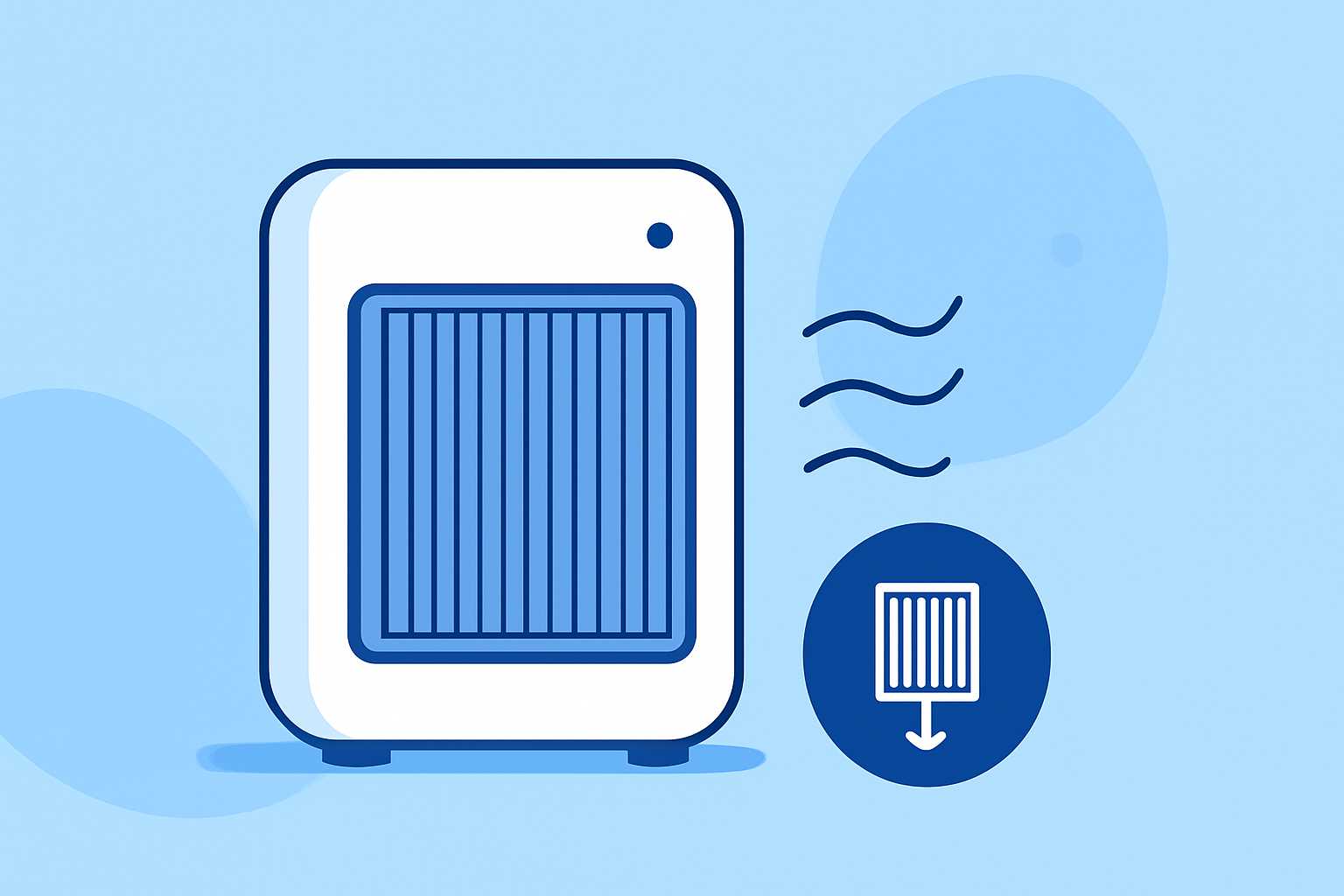
For those concerned about indoor air quality, HEPA filters are a recommended solution for effective air purification. A well-chosen air purifier with a true HEPA filter can significantly improve your indoor environment, while alternatives may suit specific needs better.
Summary
- HEPA filters capture 99.97% of particles as small as 0.3 microns, aiding in air quality.
- Choosing the correct size and type of air purifier is crucial for maximum efficiency.
- Regular maintenance and understanding filter lifespan are key for optimal performance.
- Clime’s focus on environmental data enhances how users approach air quality and weather monitoring.
What are HEPA Filters?
HEPA stands for High-Efficiency Particulate Air, a standard for air filtration defined by the U.S. Department of Energy. Filters that meet these specifications can remove at least 99.97% of airborne particles that are 0.3 microns in diameter, including dust, pollen, mold spores, and certain bacteria. The efficiency of HEPA filters significantly contributes to improved indoor air quality, making them a popular choice in air purifiers.
How Do HEPA Filters Work?
HEPA filters trap particles through a combination of mechanisms:
- Direct interception: Particles collide with fibers in the filter and adhere to them.
- Inertial impaction: Larger particles cannot change direction quickly enough to avoid fibers, leading to their capture.
- Diffusion: Smaller particles exhibit random movement and collide with fibers, resulting in their capture.
This multi-faceted approach makes HEPA filters highly effective compared to standard filters, which may allow particulate matter to pass through.
Why Use HEPA Filters?
Using HEPA filters provides numerous benefits:
- Reduction of Allergens: Effective in capturing pollen and pet dander, thus alleviating allergies.
- Improved Respiratory Health: Filtering out harmful particles can contribute to better overall health, especially for individuals with asthma or other respiratory conditions.
- Enhanced Overall Air Quality: Helps maintain clean air, beneficial for children, the elderly, and anyone sensitive to pollutants.
Choosing the Right Air Purifier with HEPA Filters
When selecting an air purifier, consider:
- Room Size: Ensure the purifier’s capacity matches your room size for effective air circulation.
- Filter Maintenance: Understand how often filters need to be replaced to maintain optimal performance. Many HEPA filters last from six months to a year.
- Additional Features: Look for extras such as built-in air quality sensors, activated carbon filters for odors, or smart technology that allows you to track air quality via an app.
Getting the Most Out of Your HEPA Filter
To maximize your HEPA filter's effectiveness:
- Correct Placement: Ensure your air purifier is placed where airflow is unobstructed.
- Regular Maintenance: Follow the manufacturer's instructions for cleaning and replacing filters.
- Closed Windows: Keep windows and doors closed while the air purifier is running to minimize pollutants entering the space.
Clime’s Role in Monitoring Air Quality
At Clime, our application allows users to monitor weather patterns and environmental data, including air quality indices. While HEPA filters are crucial for improving air indoors, understanding outdoor conditions through Clime enhances your awareness of air quality impacts on health. By providing data related to pollution levels and conditions, Clime helps users make informed decisions about indoor air management.
What We Recommend
- Invest in a quality air purifier with a true HEPA filter for effective air purification.
- Always consider the size of the room and maintenance needs of the purifier.
- Utilize Clime’s environmental data to inform your indoor air quality management practices.
- Stay proactive about cleaning and replacing filters to maintain optimal air purification performance.