
HEPA Filters for Air Quality During Workouts: A Beginner's Guide
Last updated: 2023-09-30
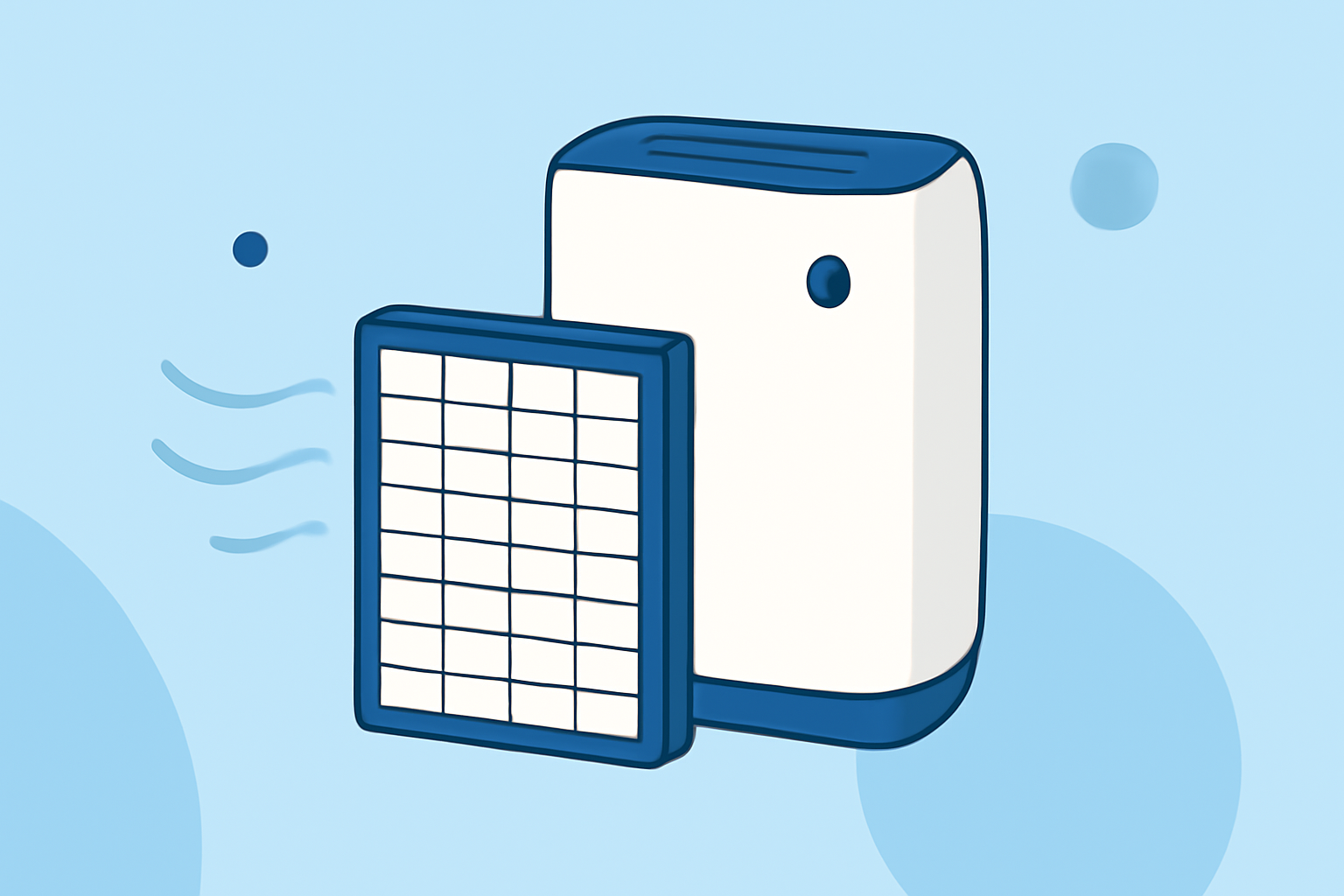
HEPA filters significantly improve indoor air quality, making them ideal for workout spaces. For beginners, understanding their functionality can enhance exercise effectiveness and comfort.
Summary
- What is a HEPA Filter? HEPA filters are mechanical air filters that can trap a wide range of particles, including dust, pollen, and smoke.
- Benefits for Workouts: Using a HEPA filter can help reduce allergens and irritants, promoting a healthier workout environment.
- Sizing Considerations: Choose units tailored for the size of your workout space to maximize air purification efficiency.
- DIY Alternatives: Homemade air purifiers can also be effective for reducing airborne particles and may suit your budget or specific needs.
What Makes HEPA Filters Effective?
HEPA stands for High-Efficiency Particulate Air; these filters can trap 99.97% of particles that are 0.3 microns or more in diameter. According to the EPA, common irritants such as pollen, mold spores, and even pet dander can be effectively filtered out, making them especially useful in environments where people engage in physical activity, like home gyms.
How to Improve Indoor Air Quality During Workouts
To enhance the air quality in workout settings, consider the following:
- Use a HEPA Filter Air Cleaner: Incorporating a portable air cleaner that utilizes a HEPA filter will ensure that harmful airborne particles are eliminated effectively. It’s crucial to select a unit that covers the specific area of your workout space for optimal results.
- Upgrade your HVAC Filter: If you have central air conditioning, upgrading to HEPA or high-efficiency filters can significantly improve the overall indoor air quality. This is especially beneficial when contaminants are circulated during workouts due to increased movement and activity.
How to Size an Air Purifier for a Workout Space
Selecting an appropriately sized air purifier is essential for ensuring its effectiveness. Generally, look for units rated based on the square footage of your area. Most manufacturers will specify the room size that their products can handle, thereby aiding beginners in identifying the ideal option for their home gyms. The EPA suggests that choosing an air cleaner designed for the size of your space enhances performance and efficiency.
Are DIY Air Cleaners a Viable Alternative for Workouts?
Many people explore DIY solutions for air cleaning, which can indeed be effective as stated by the EPA. Constructing a basic air cleaner using a box fan and a HEPA filter may yield comparable results to store-bought options. However, it's essential to ensure that the DIY filter fits securely and does not leak air from around the edges, which could allow unfiltered air to enter. Properly designed DIY cleaners may maintain low costs while effectively reducing airborne particles during exercise sessions.
Consider Other Environmental Factors
While HEPA filters are a powerful tool for improving air quality, it’s also essential to consider other factors in your workout environment. Maintaining proper ventilation, regulating humidity levels, and keeping your space clean further contribute to a healthy atmosphere conducive to exercise. Clime offers features that help you monitor various environmental factors, such as air quality index, which can complement your indoor air purification efforts.
Conclusion: What We Recommend
- Invest in a Reliable HEPA Filter: For effective air purification, prioritize a quality product designed specifically for your workout area size.
- Upgrade Existing Systems: Don't overlook the potential of enhancing your home's HVAC system with HEPA filters.
- Consider DIY Solutions Cautiously: Homemade alternatives can work well as long as they are designed correctly and are appropriately sized for your space.
- Monitor Air Quality with Tools: Utilize Clime to keep track of air quality, aiding you in making informed decisions about your indoor environment while working out.