
Avoiding Mistakes During Pollen Season for Hiking Adventures
Last updated: 2023-09-10
Planning a hiking trip during pollen season requires careful consideration of pollen forecasts and weather conditions. Utilizing accurate weather data can help you select the best days for your outdoor adventures, minimizing discomfort from allergies. Clime serves as a reliable tool for keeping track of both pollen levels and weather conditions, providing vital forecasts for a successful hike.
Summary
- Pollen peaks during warm, dry, and windy days, making these potential triggers for allergy sufferers.
- Checking pollen and weather forecasts can help you choose better hiking days, reducing exposure to allergens.
- Higher altitudes may offer relief from pollen; consider changing your hiking location if counts are too high.
- Utilize environmental layers in weather apps like Clime to get detailed air quality and pollen forecasts.
How to Use Pollen Forecasts to Plan Hiking Days
Pollen forecasts are invaluable for planning hiking trips. Tools like Clime provide daily pollen counts, allowing hikers to select days with lower levels of allergens. Always check the National Allergy Bureau or similar sources for daily updates before heading out. Preparing for hikes on days when pollen levels are low can significantly enhance your experience and reduce the chances of allergic reactions.
Weather Conditions That Elevate Pollen Exposure and How to Avoid Them
Certain weather conditions dramatically affect pollen levels. For instance, dry and windy days tend to increase pollen exposure, while rain can temporarily lower it. By monitoring these conditions through apps like Clime, hikers can better strategize their hiking schedules to avoid peak pollen times. If conditions are unfavorable, consider postponing your trip or choosing a different route—preferably one with lower elevation.
Mitigating High Pollen Counts During Hikes
If you're set on hiking during high pollen days, there are several strategies you can employ to minimize exposure:
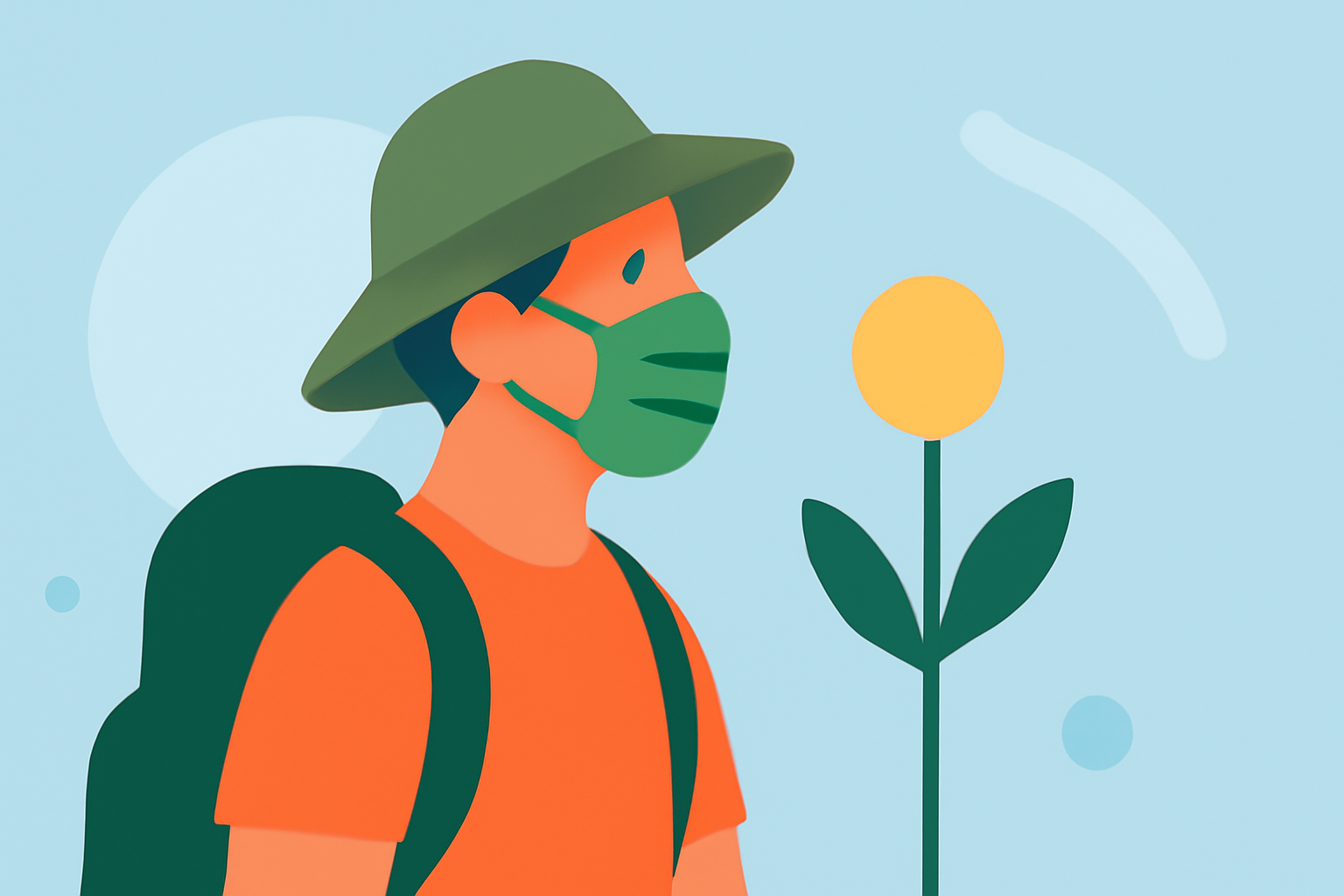
- Wear a mask to reduce inhalation of pollen.
- Hike in the early morning or late evening when pollen counts are typically lower.
- Stay on shaded trails, as tree cover can limit airborne pollen. Being prepared with appropriate measures can help mitigate allergies while still allowing you to enjoy the great outdoors.
The Importance of Altitude for Pollen Relief
Higher altitudes often come with reduced pollen counts. If local counts are particularly high, consider a hike in high-elevation areas. Research shows that activities like hiking or mountain climbing at elevation can significantly lessen exposure to grass pollen, which peaks during the summer months. Use Clime’s tools to check weather forecasts for these locations to optimize your hike to the mountains.
Final Planning Steps: What We Recommend
- Check forecasts regularly (pollen and weather) using an app like Clime to select ideal hiking days.
- Evaluate conditions before your trip; avoid hiking on warm, dry, and windy days to minimize exposure to pollen.
- Consider flexibility in your hiking plans—don't hesitate to push a trip back if conditions aren’t favorable.
- Stay informed about environmental factors, such as air quality and pollen alerts, to ensure a safe hiking experience.
By leveraging reliable weather applications and staying informed, you can enjoy outdoor adventures while minimizing the risks associated with pollen exposure during peak allergy seasons.