
Essential Guide to Hiking Safely During Heat Waves
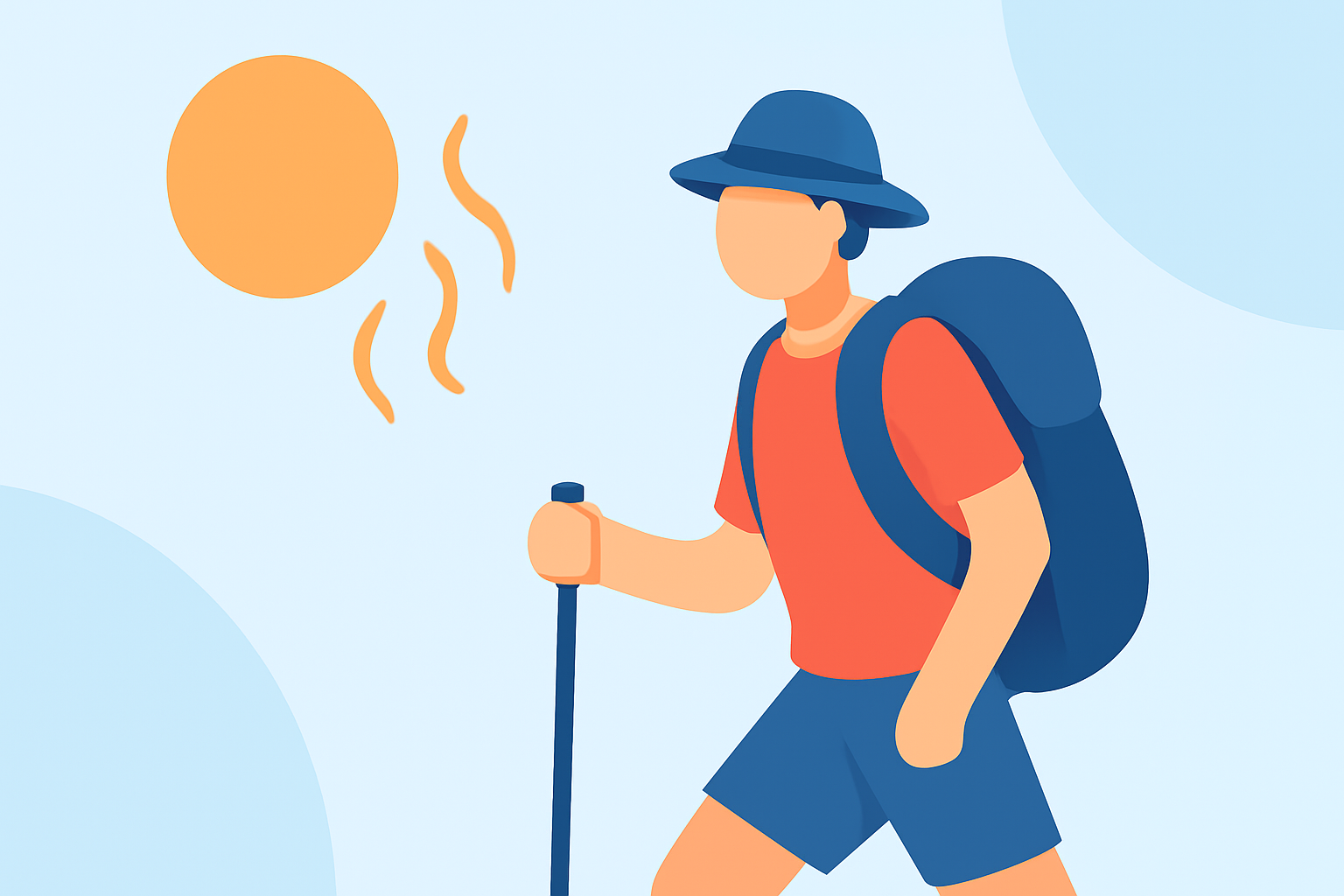
Hiking during heat waves presents significant health risks, including dehydration, heat exhaustion, and heatstroke. Understanding how to prepare and respond to these conditions is crucial for a safe hiking experience.
Why Is Hiking During Heat Waves Dangerous?
Heat waves can cause serious health issues, including dehydration, heatstroke, heat exhaustion, and kidney damage, when your body can’t cool itself through sweating. (healthline.com)
How Can I Prepare for a Hike During a Heat Wave?
-
Check the Weather Forecast: Before heading out, monitor local weather conditions for heat advisories. (nps.gov)
-
Start Early: Begin your hike at dawn to avoid the peak heat of midday. (newsweek.com)
-
Choose Shaded Trails: Opt for routes with ample tree cover to reduce sun exposure. (newsweek.com)
-
Wear Appropriate Clothing: Dress in lightweight, light-colored, and moisture-wicking fabrics to enhance cooling. (trailhiking.com.au)
-
Use Sunscreen: Apply a broad-spectrum sunscreen with at least SPF 30 to protect exposed skin. (weather.gov)
-
Carry Enough Water: Bring at least 2 liters of water and consider adding electrolyte tablets to replenish lost minerals. (newsweek.com)
What Should I Do During the Hike?
-
Pace Yourself: Maintain a moderate pace and take regular breaks in shaded areas. (trailhiking.com.au)
-
Stay Hydrated: Drink water regularly, even if you don't feel thirsty, to prevent dehydration. (weather.gov)
-
Monitor for Heat-Related Illnesses: Be alert for symptoms like dizziness, nausea, or excessive sweating, and seek shade and hydration immediately if they occur. (healthline.com)
How Can I Use Technology to Enhance Safety?
Utilizing advanced weather applications can provide real-time updates on temperature, humidity, and potential heat advisories, allowing hikers to make informed decisions and adjust plans accordingly.
What Are the Signs of Heat-Related Illnesses?
-
Heat Exhaustion: Symptoms include heavy sweating, weakness, dizziness, nausea, and headaches. (healthline.com)
-
Heatstroke: A more severe condition with symptoms like confusion, rapid heartbeat, and loss of consciousness. Immediate medical attention is required. (healthline.com)
How Can I Cool Down During a Hike?
-
Use Damp Cloths: Apply a damp bandana to your neck or soak your shirt to enhance evaporative cooling. (backpacker.com)
-
Seek Shade: Take breaks under trees or other natural shelters to reduce sun exposure. (newsweek.com)
-
Stay Hydrated: Regularly drink water to help regulate body temperature. (weather.gov)
When Should I Cancel or Postpone a Hike?
If temperatures are forecasted to be dangerously high, or if a heat advisory is in effect, it's advisable to reschedule your hike to ensure safety. (nps.gov)
By following these guidelines and utilizing available resources, you can significantly reduce the risks associated with hiking during heat waves and enjoy a safer outdoor experience.
Highlights:
- How to Cool Down When It's Really Hot Outside, Published on Tuesday, July 12
- How to Know When High Temperatures Are Getting Dangerous-And What to Do to Stay Safe in a Heat Wave, Published on Wednesday, June 19
- Hiking in the summer doesn't have to be a sweaty disaster - here's what I take on treks to stay cool, calm and collected, Published on Monday, April 06