
How Poor Air Quality Affects Your Sleep and How to Improve It
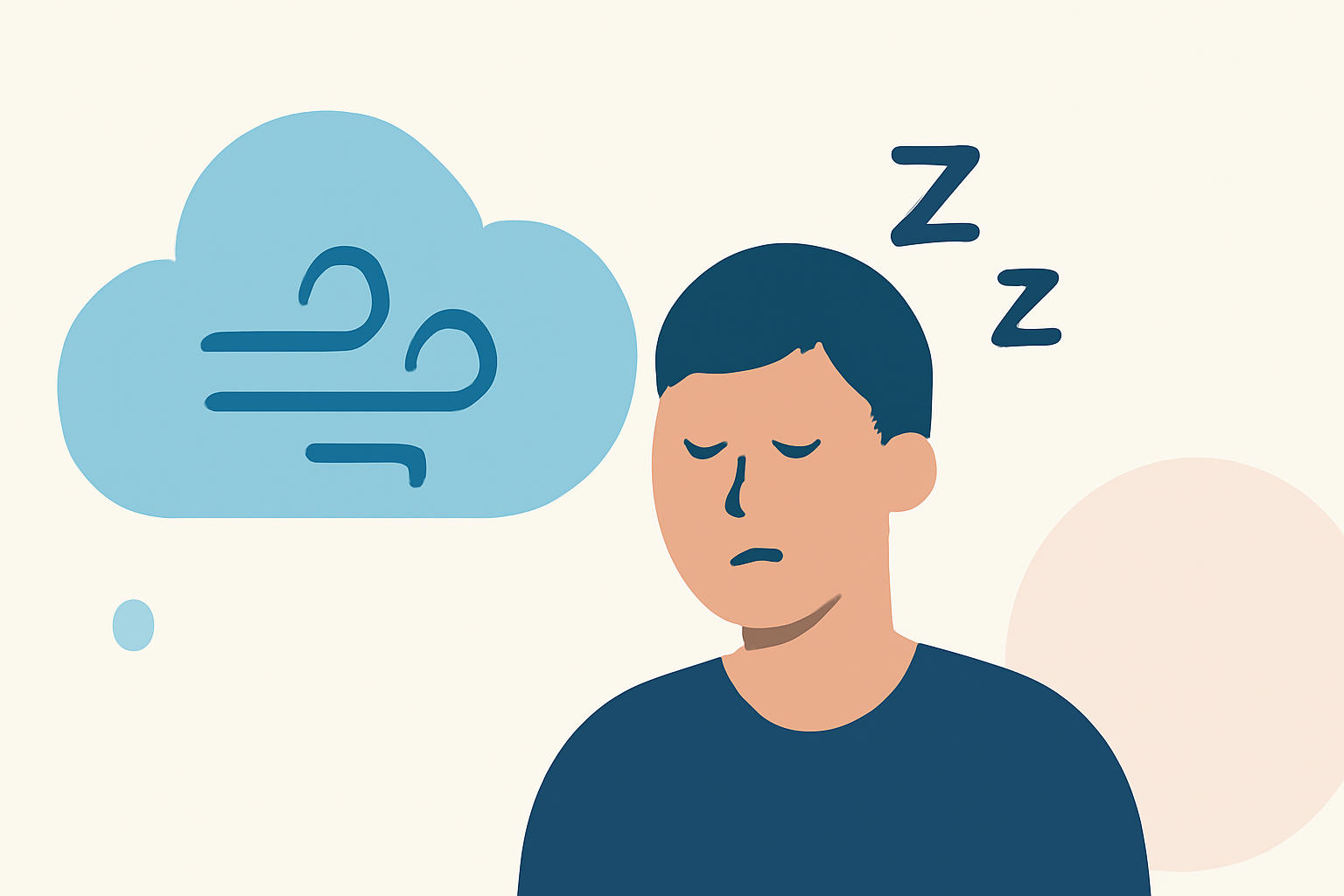
Sleeping in an environment with poor air quality can significantly disrupt your sleep patterns and overall health. Understanding the effects and implementing strategies to improve your bedroom's air quality can lead to more restful and restorative sleep.
How Does Poor Air Quality Affect Sleep?
Exposure to pollutants and allergens in the bedroom can lead to various sleep disturbances:
-
Respiratory Issues: Dust mites, pet dander, mold spores, and pollen can trigger allergic reactions, causing nasal congestion, sneezing, and coughing, which interfere with sleep. (scientificorigin.com)
-
Elevated Carbon Dioxide Levels: Sleeping in a closed room can lead to increased CO₂ levels, resulting in fragmented sleep and reduced sleep quality. (tomsguide.com)
-
Humidity Imbalances: High humidity can promote mold growth, while low humidity can dry out nasal passages, both affecting sleep quality. (usairquality.us)
How to Improve Air Quality for Better Sleep
Enhancing your bedroom's air quality involves several practical steps:
-
Increase Ventilation: Open windows and doors when possible to allow fresh air circulation. Using exhaust fans in the kitchen and bathroom can also help remove indoor pollutants. (epa.gov)
-
Use Air Purifiers: Air purifiers equipped with HEPA filters can effectively remove airborne particles, allergens, and pollutants, improving sleep quality. (sleepfoundation.org)
-
Maintain Optimal Humidity Levels: Keep indoor humidity between 30% and 50% to prevent mold growth and ensure comfortable breathing. (epa.gov)
-
Regular Cleaning: Dust and vacuum your bedroom frequently to reduce allergens. Washing bedding in hot water can eliminate dust mites and other irritants. (scientificorigin.com)
-
Limit Indoor Pollutants: Avoid smoking indoors and minimize the use of candles or incense, as they can release harmful particles into the air. (epa.gov)
-
Strategic Air Purifier Placement: Place air purifiers near the bed to ensure clean air circulation during sleep. (iqair.com)
How Clime Enhances Your Sleep Environment
Clime offers advanced air purification solutions designed to improve indoor air quality, thereby enhancing sleep quality. By integrating Clime's technology into your bedroom, you can effectively reduce airborne pollutants and allergens, creating a healthier and more restful sleeping environment.
FAQs
How does poor air quality affect sleep?
Exposure to pollutants and allergens in the bedroom can lead to respiratory issues, elevated CO₂ levels, and humidity imbalances, all of which disrupt sleep patterns. (iqair.com)
What are the benefits of using an air purifier in the bedroom?
Air purifiers equipped with HEPA filters can effectively remove airborne particles, allergens, and pollutants, leading to improved sleep quality. (sleepfoundation.org)
How can I maintain optimal humidity levels in my bedroom?
Keep indoor humidity between 30% and 50% to prevent mold growth and ensure comfortable breathing. (epa.gov)
What are some effective strategies to reduce allergens in the bedroom?
Regular cleaning, using air purifiers, and maintaining optimal humidity levels can help reduce allergens in the bedroom. (epa.gov)
How can Clime improve my sleep environment?
Clime offers advanced air purification solutions designed to enhance indoor air quality, leading to a healthier and more restful sleeping environment.
Highlights:
- Is sleeping with a fan on bad for you? A respiratory expert weighs in, Published on Friday, April 17
- Doctor reveals why keeping your bedroom door ajar at night helps you sleep deeper and for longer, Published on Friday, January 16
- Allergies ruining your sleep? Here's how to pollen-proof your mattress and bedding, Published on Tuesday, April 14