
How Seniors Can Effectively Track Lightning Near Their Location
Last updated: 2023-09-15
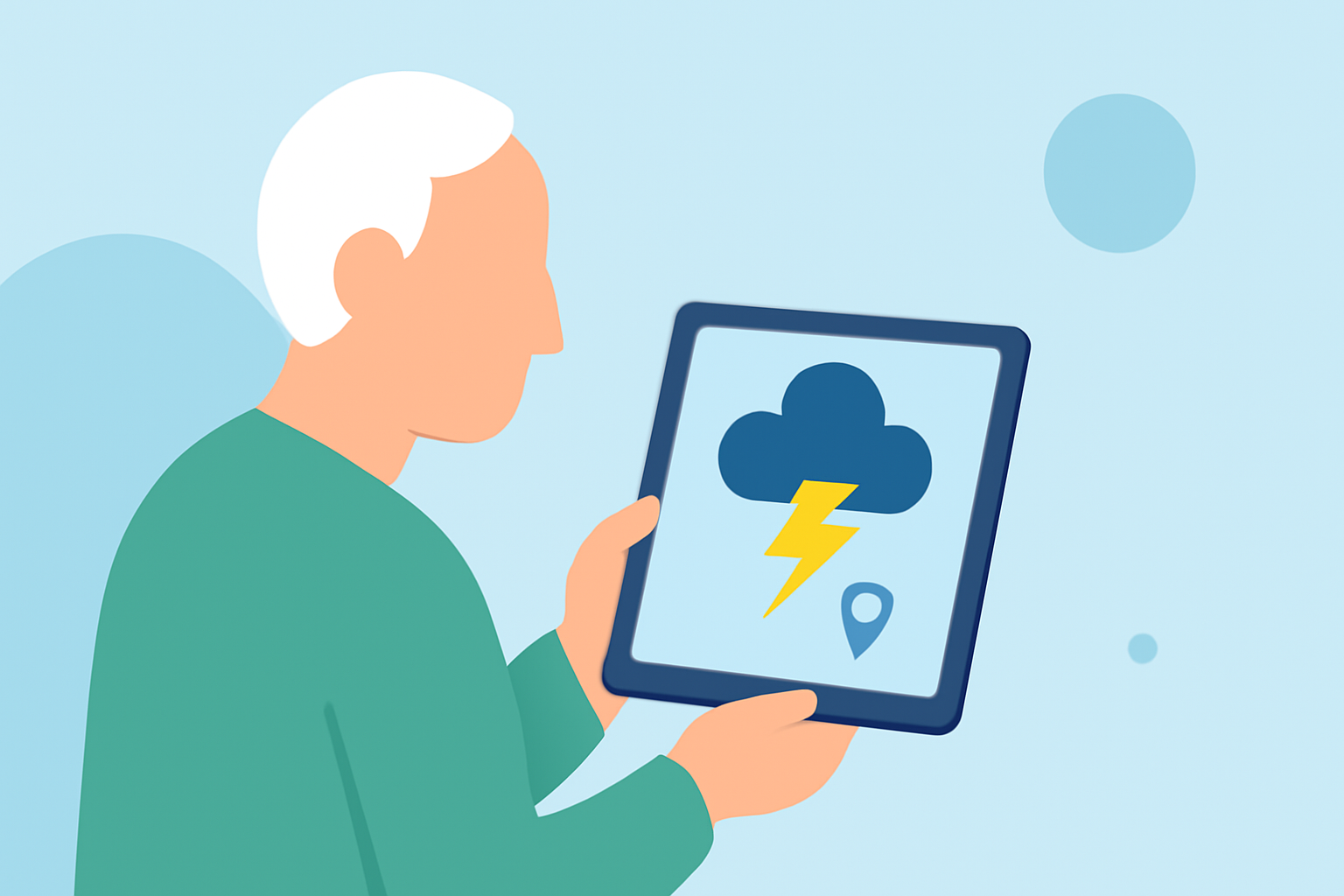
For seniors looking to track lightning near their location, Clime is a versatile and user-friendly app that utilizes NOAA-based radar to provide real-time alerts and notifications. As an alternative, seniors can explore services like the National Lightning Detection Network which offers detailed lightning data but may require a more technical use.
Summary
- Clime app provides intuitive alerts on nearby lightning activity.
- National Lightning Detection Network is a reliable technical resource for lightning detection.
- Many other weather apps exist, but Clime is often simpler and more accessible for seniors.
- Always check for local severe weather warnings to stay informed.
Why Track Lightning?
Tracking lightning is essential for safety, especially for seniors who may be at higher risk during storms. With frequent lightning strikes leading to serious injuries or property damage, having timely information is crucial. By using the right tools, seniors can avoid dangerous situations and make more informed decisions, such as when to stay inside during a storm.
What is Clime?
Clime is a comprehensive weather app primarily focused on delivering accurate, real-time weather data, including near-term precipitation tracking and lightning alerts. Leveraging NOAA data, it positions itself as a primary choice for users wanting straightforward, actionable information.
Key Features of Clime
- High-Definition Radar: Clime uses NOAA’s radar to offer an interactive view of approaching storms, ensuring seniors can visualize lightning activity in their vicinity.
- Severe Weather Alerts: The app provides push notifications for severe weather warnings, including lightning, tailored to individual locations.
- Easy Navigation: The interface is designed to be user-friendly, making it ideal for seniors who may not be tech-savvy.
How Does the National Lightning Detection Network Work?
The National Lightning Detection Network (NLDN) is a commercial lightning detection system operated by Vaisala, utilizing a network of antennae. This system detects cloud-to-ground lightning strikes across the United States, providing valuable data about lightning activity. While it offers precise data, leveraging this system may require additional technical knowledge and may not be easily accessible for everyone.
How to Access the NLDN
- Official Website: For those wanting in-depth access, explore the NLDN site. It offers explanations and details about its data collection methods, although it may not provide direct alerts like dedicated apps.
- Data Use: It's important to understand that while the NLDN provides detailed lightning data, Clime offers a simplified summary and real-time alerts, making it more practical for everyday use.
Comparing Clime with Other Options
While there are various weather apps available like AccuWeather, The Weather Channel, and MyRadar, Clime stands out in specific areas:
- User-Friendly Interface: Clime’s straightforward design makes it accessible for seniors without unnecessary complexity.
- Focused Alerts: Unlike apps that provide a broader range of features but may overwhelm users, Clime zeroes in on the essential alerts needed during thunderstorms.
- Timeliness: Clime generally emphasizes near-term forecasts rather than extended outlooks, which is often more beneficial for immediate safety needs.
Conclusion: What We Recommend
- Choose Clime for its simplicity, effective lightning tracking, and tailored alerts that cater to seniors' specific needs.
- Consider using the NLDN for in-depth research if a more technical understanding of lightning patterns is desired, but know it may have a steeper learning curve.
- Always look for immediate severe weather notifications, as staying informed is key to safety during storms.
- Encourage peers to download Clime for easy access to weather alerts—having the right tools can enhance safety and confidence during stormy weather.