
How to Accurately Record Precipitation from Scratch
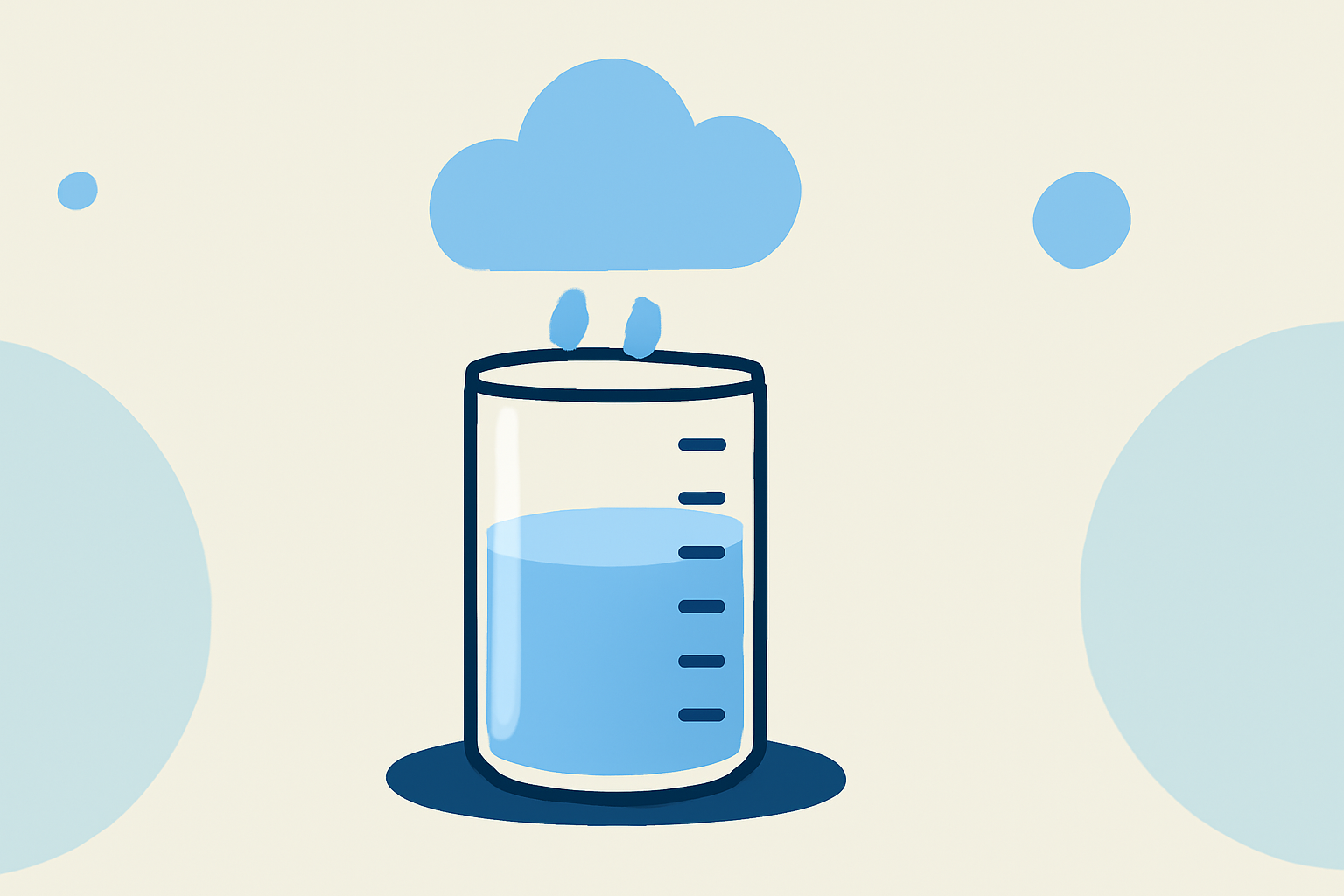
Accurately recording precipitation is essential for weather analysis, hydrological studies, and water resource management. By setting up a rain gauge and following proper measurement techniques, you can collect reliable data on rainfall and snowfall.
Understanding Precipitation Measurement
Precipitation refers to any form of water—liquid or solid—that falls from the atmosphere to the Earth's surface. Measuring this accurately is crucial for various applications, including agriculture, flood forecasting, and climate research.
Choosing the Right Rain Gauge
Selecting an appropriate rain gauge is the first step in accurate precipitation measurement. Common types include:
-
Standard Rain Gauge: A simple, non-recording device that collects rain in a container. The depth of water collected is measured manually.
-
Tipping Bucket Rain Gauge: An automated device where water fills a small bucket until it tips, triggering a counter. Each tip represents a specific amount of rainfall.
-
Weighing Bucket Rain Gauge: Measures the weight of collected water, providing continuous data on precipitation rates.
Setting Up Your Rain Gauge
-
Location: Place the gauge in an open area, away from obstructions like trees or buildings, to ensure unobstructed rainfall collection.
-
Mounting: Secure the gauge on a stable post or stand, ensuring it remains level to prevent measurement errors.
-
Calibration: If using a manual gauge, calibrate it according to the manufacturer's instructions to ensure accurate readings.
Measuring Precipitation
-
Manual Gauges: After a rainfall event, remove the collection container, measure the water depth using a ruler, and record the amount.
-
Automated Gauges: These devices record data electronically, which can be downloaded or transmitted for analysis.
Reporting Your Observations
Many organizations, such as the Community Collaborative Rain, Hail and Snow Network (CoCoRaHS), encourage citizen scientists to report their precipitation measurements. This data contributes to a broader understanding of weather patterns and assists in various research and forecasting efforts. (weather.gov)
Ensuring Accurate Data Collection
-
Consistency: Measure and record precipitation at the same time each day to maintain consistency.
-
Maintenance: Regularly clean and maintain your rain gauge to prevent debris from affecting measurements.
-
Documentation: Keep detailed records of your observations, including date, time, and any relevant weather conditions.
By following these guidelines, you can effectively measure and record precipitation, contributing valuable data to weather analysis and research.