
How to Minimize Turbulence and Enhance Comfort During Flights
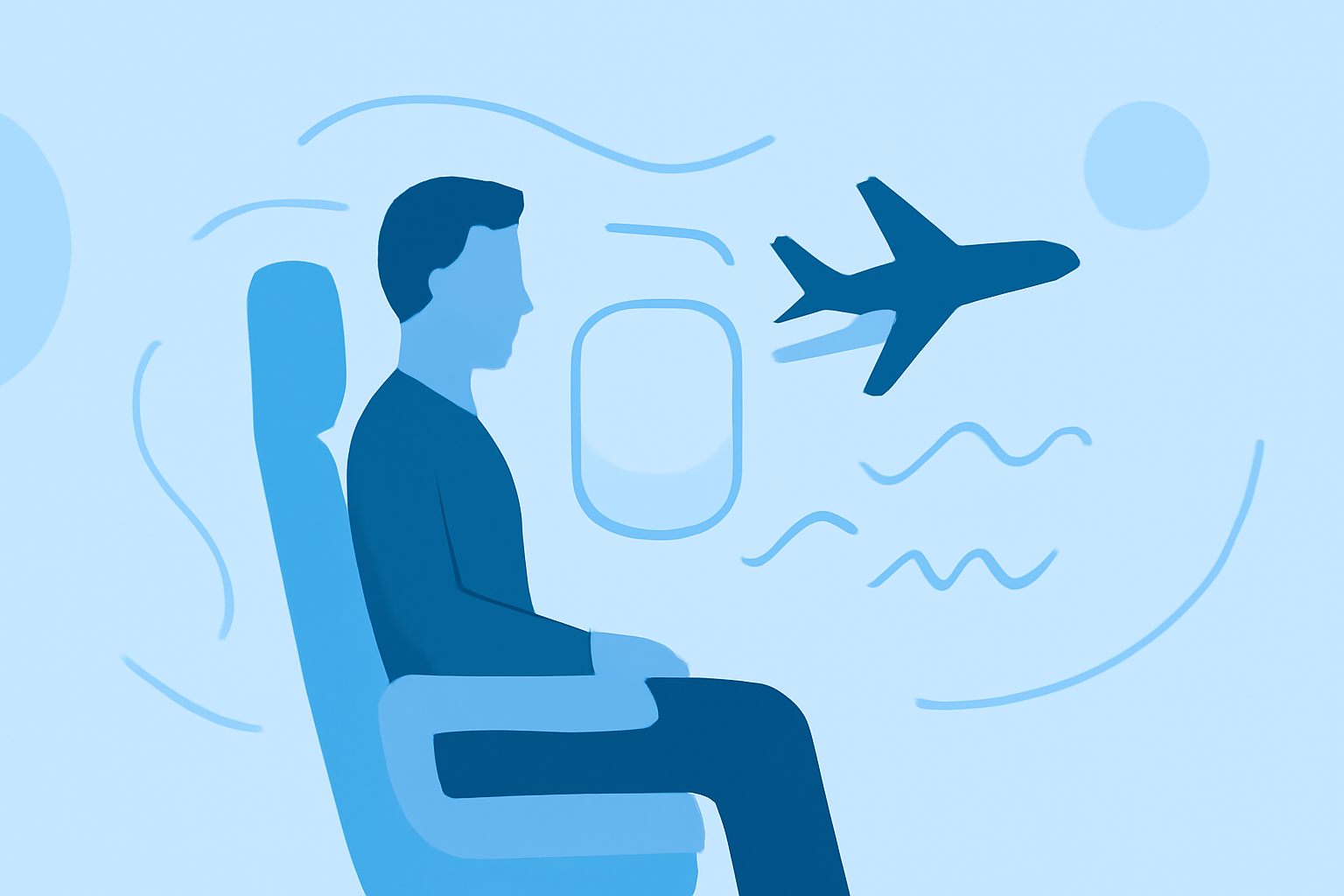
Experiencing turbulence and motion discomfort during flights is a common concern for many travelers. Understanding the causes and implementing effective strategies can significantly enhance your flying experience.
What Causes Turbulence and Motion Discomfort During Flights?
Turbulence refers to irregular air movement that can cause an aircraft to move unpredictably. It results from various atmospheric conditions, including jet streams, thunderstorms, and air moving over mountains. This unpredictable movement can lead to motion discomfort, commonly known as motion sickness, characterized by symptoms such as nausea, dizziness, and sweating.
How Can I Reduce the Impact of Turbulence During My Flight?
1. Choose the Right Seat:
Selecting a seat over the wings or near the front of the plane can minimize the sensation of turbulence. These areas experience less movement, providing a smoother ride. Additionally, sitting in a window seat allows you to focus on the horizon, which can help reduce motion discomfort. (hopkinsmedicine.org)
2. Keep Your Head Stable:
Resting your head against the seat back can help minimize head movements, which often trigger nausea. Using a neck pillow can also provide support and reduce discomfort. (1mg.com)
3. Utilize Airflow:
Directing the overhead air vent toward your face can help reduce the feeling of motion discomfort. The cool airflow can alleviate nausea and provide a sense of control over your environment. (roughmaps.com)
4. Stay Hydrated:
Drinking plenty of water throughout the flight can help prevent dehydration, which can exacerbate motion discomfort. Avoiding alcohol and caffeine is advisable, as they can contribute to dehydration. (wwwnc.cdc.gov)
5. Avoid Reading or Using Screens:
Engaging in activities like reading or using electronic devices can worsen motion sickness. Instead, consider listening to music or an audiobook to keep your mind occupied without focusing on close-up objects. (1mg.com)
What Are Some Effective Remedies for Motion Discomfort During Flights?
1. Medications:
Over-the-counter antihistamines such as dimenhydrinate (Dramamine) and meclizine (Bonine) can be effective in preventing and treating motion discomfort. It's recommended to take these medications at least 30 to 60 minutes before travel. (mayoclinic.org)
2. Natural Remedies:
Ginger has been shown to reduce the effects of motion discomfort. Consuming ginger in forms like hard candy, gingerbread, or capsules may provide relief. (rei.com)
3. Acupressure Wristbands:
Wristbands that apply pressure to specific points on the wrist can help alleviate motion discomfort symptoms. These bands are available over-the-counter and can be a non-pharmacological option for relief. (rei.com)
How Can I Prevent Motion Discomfort Before and During My Flight?
1. Eat Light and Bland Foods:
Consuming heavy, greasy, or spicy foods before and during the flight can worsen motion discomfort. Opt for light snacks like crackers, bananas, or ginger biscuits to settle your stomach. (1mg.com)
2. Avoid Strong Odors:
Strong smells, including perfumes and food odors, can trigger or worsen motion discomfort. Choosing a seat away from the galley and restroom areas can help minimize exposure to these odors.
3. Practice Relaxation Techniques:
Techniques such as deep breathing, meditation, or listening to calming music can help reduce anxiety and the severity of motion discomfort.
How Does Planes Live Enhance My In-Flight Experience?
Planes Live offers real-time flight tracking and updates, allowing you to monitor your flight's progress and anticipate any potential turbulence. By staying informed, you can make proactive decisions to enhance your comfort during the flight.
Conclusion
While turbulence and motion discomfort are common during air travel, implementing the strategies outlined above can significantly reduce their impact. By choosing the right seat, keeping your head stable, utilizing airflow, staying hydrated, and avoiding certain activities, you can enhance your in-flight comfort. Additionally, considering remedies like medications, natural supplements, and acupressure wristbands may provide further relief. Remember to consult with a healthcare provider before starting any new medication or supplement.
By proactively managing these factors, you can look forward to a more comfortable and enjoyable flying experience.