
How to Receive and Share Winter Storm Alerts Effectively
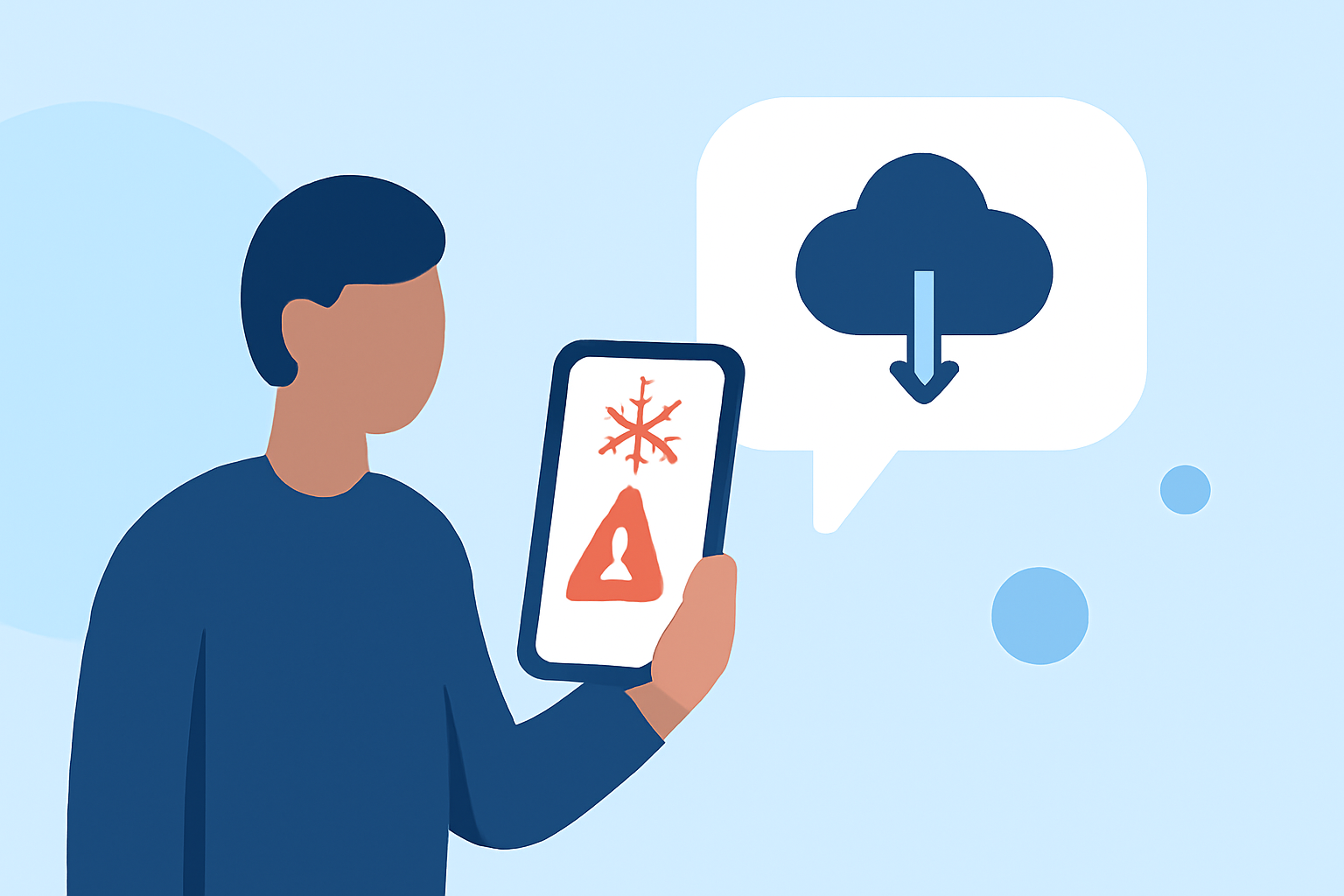
Winter storms can bring hazardous conditions, including heavy snow, ice, and freezing rain, leading to dangerous travel and power outages. Staying informed through timely alerts is crucial for safety. In the United States, several systems provide these alerts:
1. Wireless Emergency Alerts (WEA)
WEA are short emergency messages sent by authorized government authorities to alert the public about emergencies in their area. These alerts are broadcast from cell towers to mobile devices within the threat area, ensuring that individuals receive timely information about imminent threats. During winter storms, WEA can include warnings for blizzards, ice storms, and extreme cold. (weather.gov)
2. NOAA Weather Radio (NWR)
NWR is a nationwide network of radio stations broadcasting continuous weather information directly from the nearest National Weather Service office. During severe weather, NWR broadcasts official warnings, watches, forecasts, and other hazard information 24/7. Specially designed receivers can automatically activate to provide immediate information about life-threatening situations. (weather.gov)
3. Emergency Alert System (EAS)
The EAS is a national public warning system that requires broadcasters, cable systems, satellite digital audio service and direct broadcast satellite providers, wireless cable systems, and wireless common carriers to provide the President with communications capability to address the American people within 10 minutes during a national emergency. It also provides the public with important information, such as weather information, imminent threats, local incident information, imminent threats, and local incident information. (weather.gov)
4. Local News and Social Media
Local news outlets and official social media channels often provide timely updates on weather conditions and emergency alerts. Following these sources can help you stay informed about local winter storm warnings and advisories.
Sharing Winter Storm Alerts
Sharing winter storm alerts with others can help ensure that your community stays informed and prepared. Here are some effective ways to share these alerts:
-
Social Media: Share official alerts and updates on platforms like Facebook, Twitter, and Instagram to reach a broad audience.
-
Messaging Apps: Use group chats on platforms like WhatsApp or SMS to disseminate alerts to friends and family.
-
Community Networks: Engage with local community groups or neighborhood associations to share information.
-
Email Newsletters: If you manage a community or organizational newsletter, include winter storm alerts and preparedness information.
Best Practices for Sharing Alerts
-
Verify Information: Ensure that the alerts you share are from credible sources, such as the National Weather Service or local emergency management agencies.
-
Provide Clear Instructions: Include specific actions that individuals should take in response to the alert, such as staying indoors, avoiding travel, or preparing emergency kits.
-
Use Multiple Channels: Distribute alerts through various platforms to reach a wider audience, including those who may not have access to certain technologies.
-
Encourage Preparedness: Share tips on winter storm preparedness, such as assembling emergency kits, winterizing homes, and creating family emergency plans.
Conclusion
Receiving and sharing winter storm alerts is vital for personal and community safety during severe weather events. By utilizing systems like WEA, NWR, and EAS, and by actively disseminating information through various channels, you can help ensure that everyone stays informed and prepared.
Highlights:
- NWS Enhances Weather Warnings on the Go!
- Weather warnings on the go!