
How to Safely Inspect Your Roof After Severe Weather
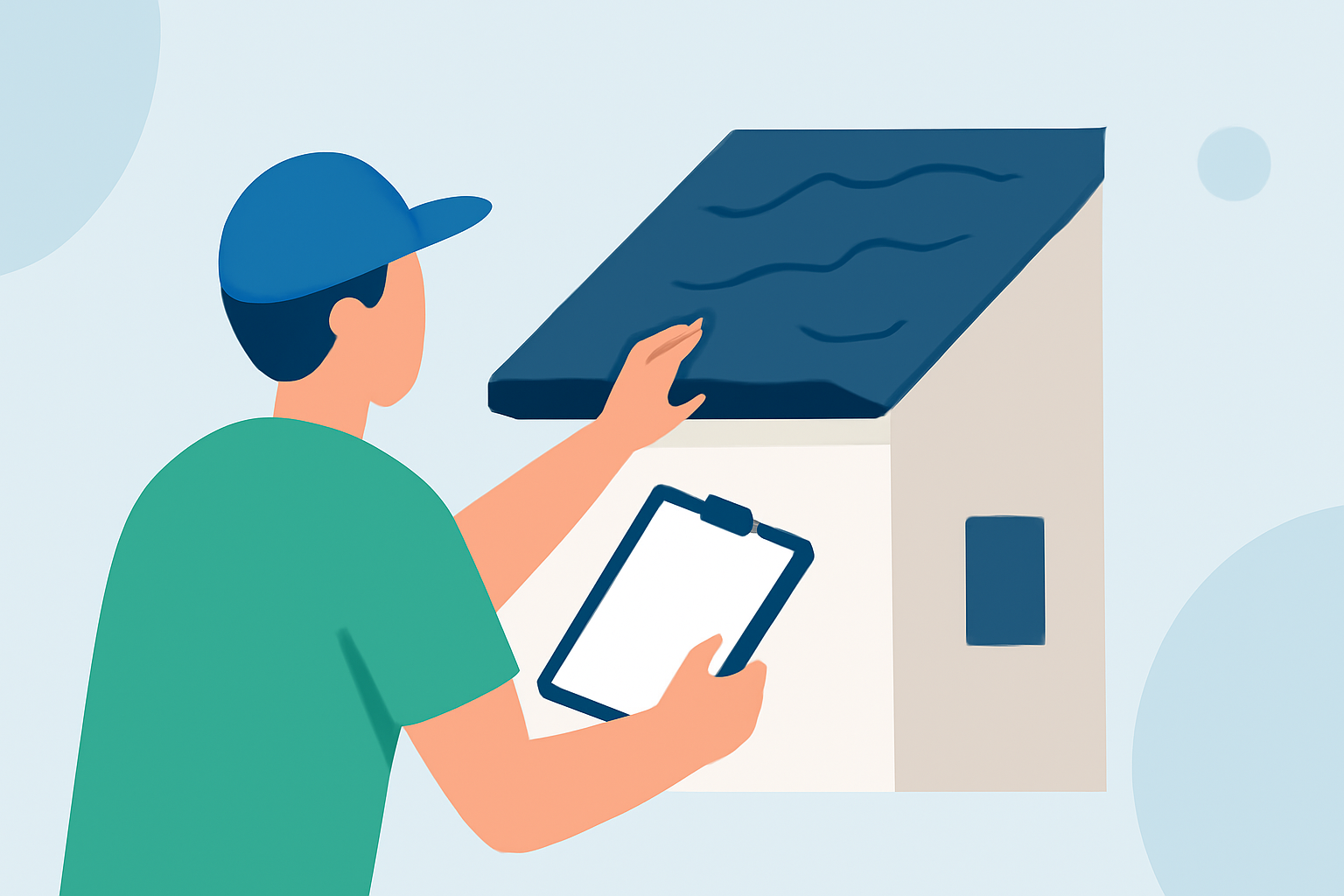
Severe weather events like heavy rain, strong winds, hail, and flying debris can compromise your roof's integrity, often without immediate visible signs. Prompt and systematic inspection is crucial to identify and address potential issues before they escalate into costly repairs.
When Should You Inspect Your Roof After a Storm?
It's imperative to assess your roof within 24 to 48 hours after a severe storm. Delaying the inspection can lead to secondary damage, as even minor issues can allow water intrusion during subsequent rainfall, turning a minor repair into a major one. Additionally, timely inspections help preserve evidence of damage, which is essential for insurance claims. (roofs.wiki)
How to Safely Inspect Your Roof
-
Wait for Safe Conditions: Never attempt a roof inspection during or immediately after severe weather. Wait until winds have calmed, rain has stopped, and surfaces have dried. Wet roofs are extremely slippery and dangerous even for experienced professionals. (scopulo.com)
-
Conduct a Ground-Level Inspection First: Before climbing onto the roof, start by inspecting the property from the ground. Many signs of storm damage can be spotted without getting on the roof itself. Look for missing shingles, damaged flashing, and debris accumulation. (mrroofga.com)
-
Use Proper Equipment: If you decide to climb onto the roof, ensure you have a sturdy ladder, wear non-slip footwear, and consider using a safety harness. Always have someone nearby to assist in case of emergencies.
-
Inspect Roof Penetrations and Flashing: Areas around chimneys, vents, and skylights are particularly vulnerable during storms. Check for loose or bent flashing, missing sealant, and gaps where water could enter. (mrroofga.com)
-
Check the Attic for Hidden Damage: The attic is one of the best places to detect early signs of roof damage. Even small leaks often show up inside the attic before they become visible in living spaces. Look for signs of moisture, mold, or water stains. (mrroofga.com)
-
Document Findings: Take clear photos of any damage you observe. This documentation will be invaluable for insurance claims and for contractors when assessing the extent of repairs needed.
When Should You Seek Professional Help?
While DIY inspections are valuable, certain situations warrant professional assistance:
-
Structural Concerns: If you notice sagging, large holes, or significant damage, it's best to contact a professional roofer immediately.
-
Safety Risks: If you're uncomfortable or unsure about safely accessing your roof, hire a professional.
-
Comprehensive Assessment: Professionals can provide a thorough evaluation, including advanced techniques like infrared scanning to detect hidden moisture. (hrscommercialroofingdenver.com)
How to Prevent Future Roof Damage
-
Regular Maintenance: Schedule professional roof inspections at least twice a year and after major storms.
-
Clear Debris: Keep gutters and downspouts free from debris to ensure proper drainage.
-
Trim Overhanging Branches: Remove branches that could fall onto the roof during storms.
By proactively inspecting your roof after severe weather and addressing issues promptly, you can extend its lifespan and maintain the safety and comfort of your home.