
How to Start Your Snow Blower: A Step-by-Step Guide
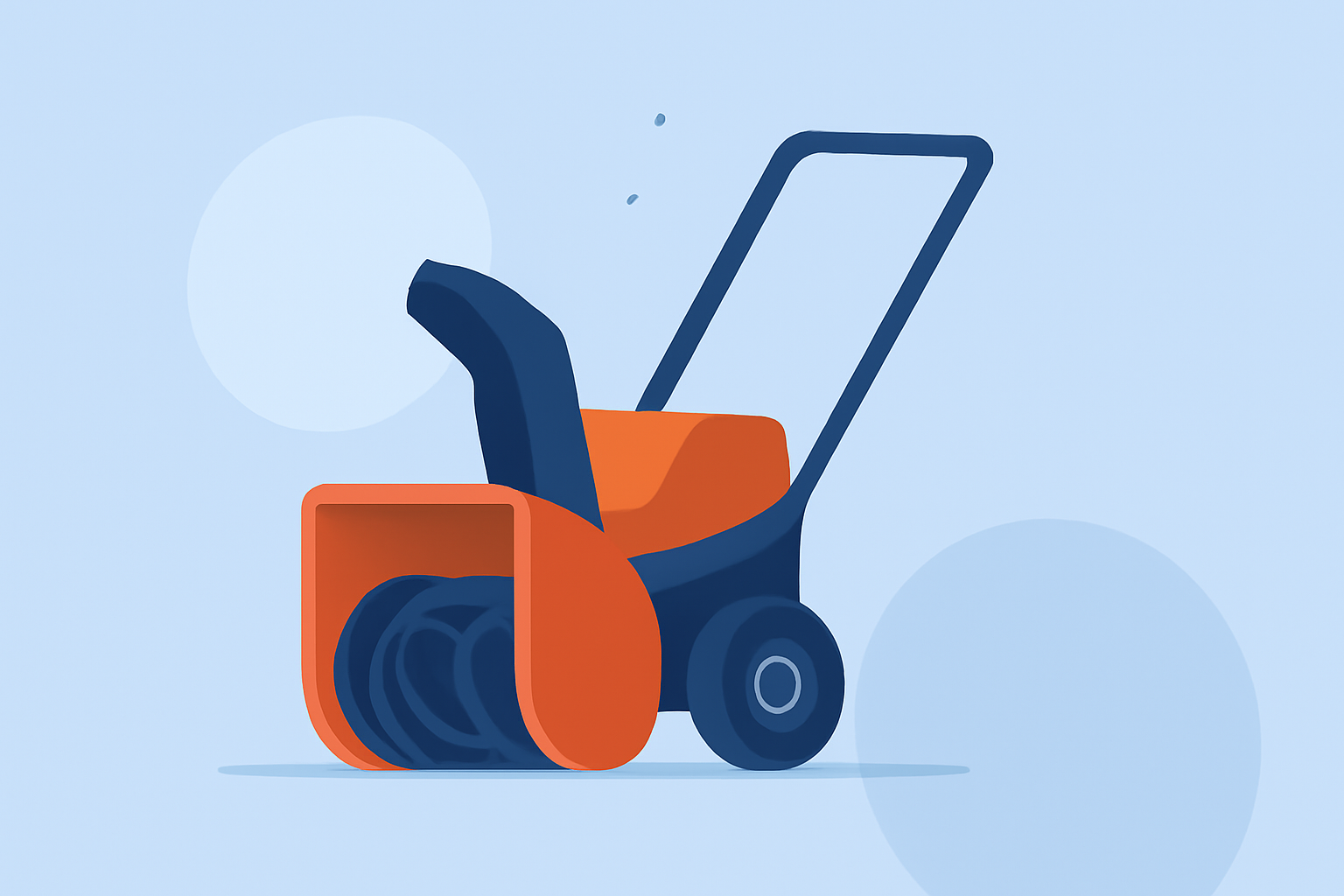
Starting your snow blower correctly is crucial for efficient snow removal and prolonging the life of your equipment. Follow this step-by-step guide to ensure a smooth startup:
1. Inspect and Prepare Your Snow Blower
-
Check Fuel and Oil Levels: Ensure the fuel tank is filled with fresh, clean gasoline. Old or stale fuel can hinder engine performance. Verify that the oil level is adequate and that the oil is clean. Replace if necessary.
-
Clear the Area: Remove any debris, such as rocks or branches, from the vicinity of the snow blower to prevent damage during operation.
2. Set the Controls to the Starting Position
-
Ignition Key: Insert the ignition key into its slot, ensuring it is fully seated.
-
Choke: For a cold start, set the choke to the "full" position. If the engine is warm, a partial choke may suffice.
-
Throttle: Adjust the throttle to the "fast" setting, typically indicated by a rabbit icon.
-
Fuel Shutoff Valve: If your model has a fuel shutoff valve, turn it to the "on" position.
3. Prime the Engine
-
Locate the Primer Bulb: This is usually a small, dome-shaped button on the engine.
-
Prime the Engine: Press the primer bulb the recommended number of times:
-
Twice if the temperature is above 15°F (-9°C).
-
Four times if the temperature is below 15°F (-9°C).
Over-priming can flood the engine, so adhere to the recommended number of presses.
4. Start the Engine
-
Electric Start Models: Plug the snow blower into a grounded outlet using a heavy-duty extension cord. Press and hold the start button for about five seconds, then release. If the engine doesn't start, wait a moment and press again in five-second intervals.
-
Recoil Start Models: Pull the starter rope slowly until you feel resistance, then give a firm, swift pull to start the engine. Avoid multiple weak pulls, as one smooth, firm pull is most effective.
5. Warm Up the Engine
Allow the engine to run for a few minutes to warm up. Once warmed, gradually move the choke to the "off" or "run" position. This transition helps prevent engine flooding and ensures smooth operation.
6. Begin Snow Removal
With the engine warmed and the choke adjusted, your snow blower is ready for use. Engage the auger and drive controls as needed to start clearing snow.
Troubleshooting Tips
-
Engine Won't Start: If the engine doesn't start after following the above steps, consider the following:
-
Fuel Issues: Ensure the fuel is fresh and the fuel shutoff valve is open.
-
Spark Plug: A fouled or damaged spark plug can prevent starting. Inspect and replace if necessary.
-
Carburetor: A clogged carburetor can impede fuel flow. Cleaning may be required.
-
Engine Flooding: If the engine smells of fuel or the spark plug is soaked, it may be flooded. To clear a flooded engine:
-
Turn the choke to the "off" position.
-
Hold the throttle in the "fast" position.
-
Pull the starter rope 5–8 times.
-
Reinstall a dry spark plug.
By following these steps, you can ensure your snow blower starts reliably, allowing you to tackle winter weather with confidence.