
How to Stay Safe During Heat Waves: Essential Tips and Strategies
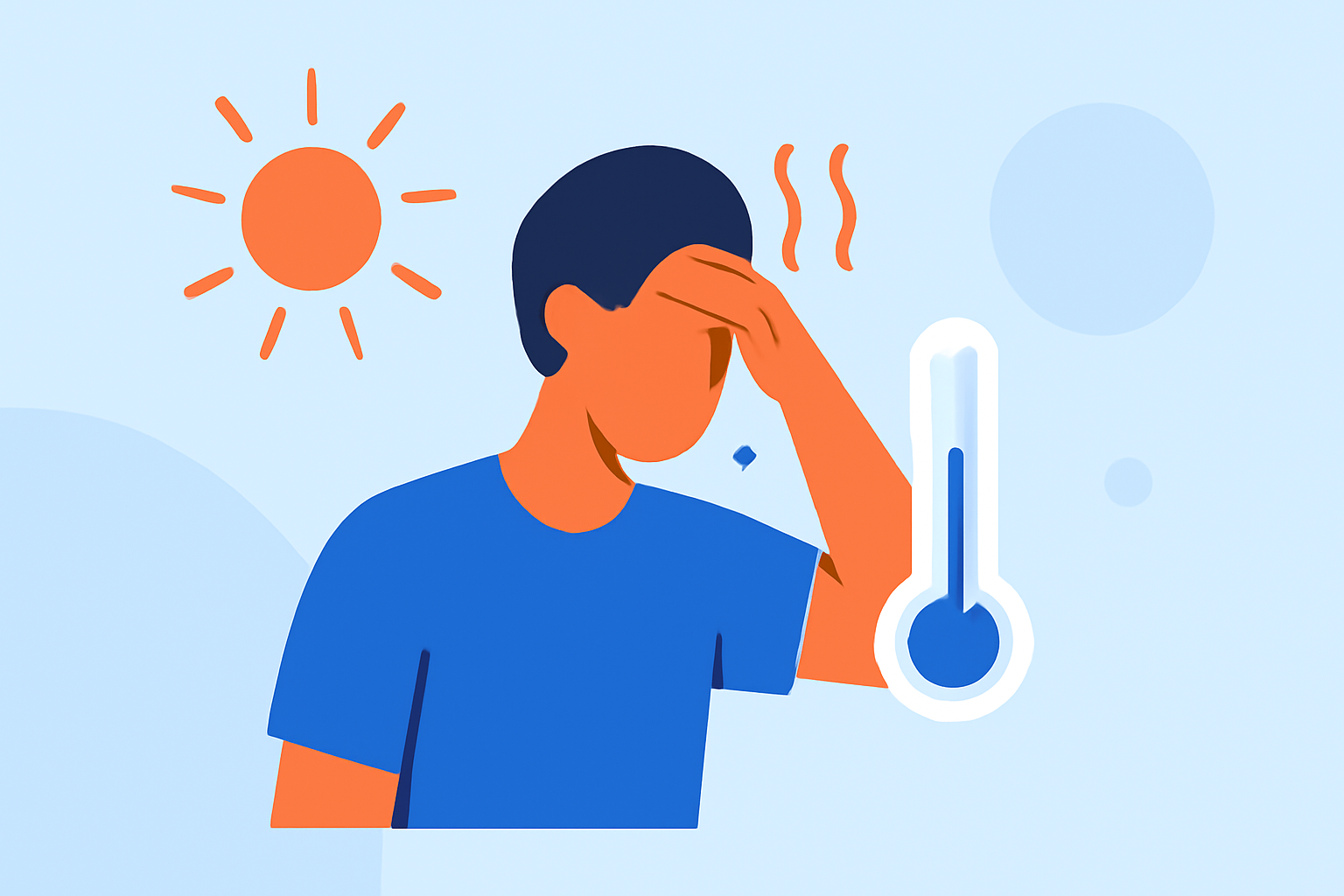
Heat waves are prolonged periods of excessively hot weather, often accompanied by high humidity. They pose significant health risks, including heat exhaustion and heat stroke. Understanding how to stay safe during these extreme conditions is crucial.
What Are Heat Waves?
A heat wave is typically defined as a period of abnormally hot weather lasting two days or more, with temperatures significantly higher than the historical averages for a given area. These conditions can lead to serious health issues, especially for vulnerable populations. (almanac.com)
How Can I Protect Myself During a Heat Wave?
-
Stay Hydrated: Drink plenty of cool fluids, especially water, even if you don't feel thirsty. Avoid alcohol and caffeine, as they can dehydrate you. (consumerreports.org)
-
Seek Shade and Stay Indoors: Limit outdoor activities during peak heat hours, typically between 11:00 AM and 4:00 PM. If you must be outside, wear light-colored clothing and a wide-brimmed hat. (apha.org)
-
Use Cooling Devices: Utilize fans, air conditioning, or cool showers to help lower your body temperature. If you don't have air conditioning, consider visiting public places like libraries or shopping centers to stay cool. (latimes.com)
-
Monitor Weather Alerts: Stay informed about local weather conditions and heat advisories. The National Weather Service provides updates and warnings for extreme heat events. (consumerreports.org)
-
Check on Vulnerable Individuals: Ensure that elderly family members, neighbors, and others who may be at risk have access to cool environments and are staying hydrated. (pbssocal.org)
What Are the Signs of Heat-Related Illnesses?
Recognizing the symptoms of heat exhaustion and heat stroke is vital:
-
Heat Exhaustion: Symptoms include heavy sweating, weakness, dizziness, nausea, and headache. Move to a cooler place, drink water, and rest.
-
Heat Stroke: Symptoms include high body temperature, confusion, and loss of consciousness. This is a medical emergency; call 911 immediately. (pbs.org)
How Can I Prepare My Home for a Heat Wave?
-
Install Air Conditioning: If possible, install an air conditioning unit to maintain a cool indoor environment. (apha.org)
-
Use Fans Strategically: Place fans near windows to promote air circulation and use them to cool down your living space. (pbssocal.org)
-
Close Blinds and Curtains: Keep blinds and curtains closed during the day to block out heat from the sun. (smud.org)
What Should I Do if I Don't Have Air Conditioning?
-
Visit Public Cooling Centers: Many communities offer cooling centers during heat waves. Check with local authorities for locations. (smud.org)
-
Use Wet Cloths: Apply cool, damp cloths to your skin to help reduce body temperature. (pbssocal.org)
How Can I Stay Cool While Outdoors?
-
Wear Appropriate Clothing: Opt for light-colored, loose-fitting clothing to reflect heat and allow air circulation. (pbssocal.org)
-
Use Sunscreen: Protect your skin from sunburn, which can impair your body's ability to cool itself. (pbs.org)
How Can I Help Prevent Power Outages During Heat Waves?
-
Conserve Energy: Set your thermostat to 78°F or higher, and avoid using multiple appliances simultaneously during peak hours. (smud.org)
-
Unplug Unnecessary Devices: Unplug lights and equipment you're not using to reduce the load on the power grid. (smud.org)
By following these guidelines, you can significantly reduce the risks associated with heat waves and ensure your safety during extreme heat events.