
Humidity Cheat Sheet for Indoor Plants: A Beginner's Guide
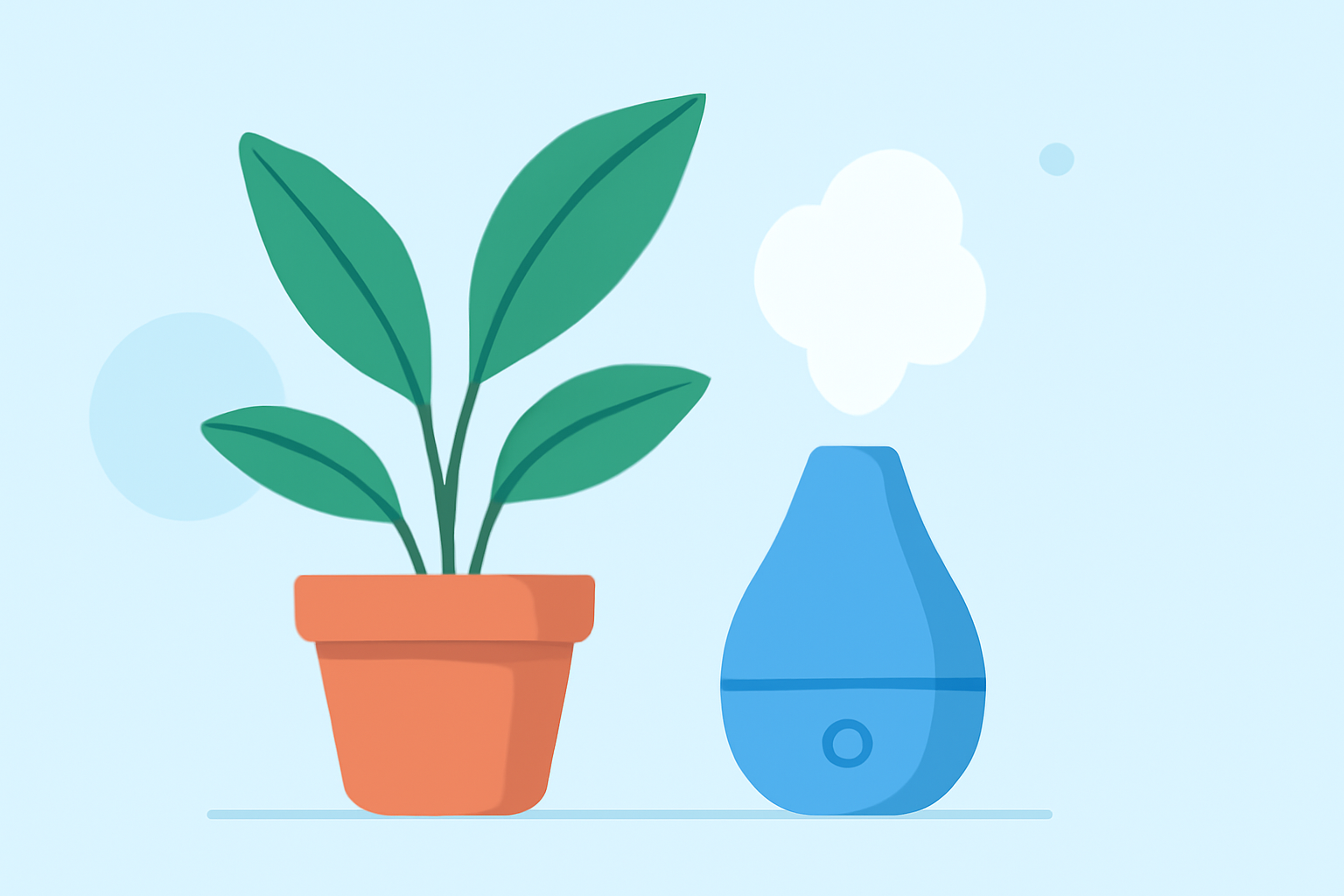
Maintaining the right humidity is crucial for the health of your indoor plants. Different plants have varying humidity needs, and understanding these can help you create a thriving indoor garden.
What Is the Ideal Humidity Level for Indoor Plants?
Most indoor plants thrive in a relative humidity (RH) range of 40% to 60%. This range supports healthy transpiration and minimizes the risk of fungal diseases. However, specific plants have unique requirements:
-
Tropical Plants: Species like ferns, calathea, and orchids prefer higher humidity levels, typically between 60% and 80%. (greeneryinsight.com)
-
Succulents and Cacti: These plants are adapted to arid environments and do well in lower humidity, around 20% to 40%. (greeneryinsight.com)
How Does Humidity Affect Plant Health?
Inadequate humidity can lead to several issues:
-
Low Humidity: Symptoms include brown, crispy leaf edges, curling leaves, and increased susceptibility to pests like spider mites. (cultivatingflora.com)
-
High Humidity: Excess moisture can cause soft, yellowing leaves, black or brown spots indicating rot, and mold growth. (cultivatingflora.com)
How Can I Measure and Adjust Indoor Humidity?
To monitor humidity levels, use a digital hygrometer placed near your plants. This device provides accurate readings and helps you make necessary adjustments. If your home's humidity is outside the ideal range, consider the following:
-
Increasing Humidity: Use a humidifier, place plants together to create a microenvironment, or set up a pebble tray with water near your plants. (thehouseofhydro.com)
-
Decreasing Humidity: Ensure proper ventilation, use a dehumidifier, or adjust your home's heating and cooling systems to reduce moisture. (smartfog.com)
How Do Seasonal Changes Affect Indoor Humidity?
Indoor humidity levels fluctuate with the seasons:
-
Winter: Heating systems can dry out indoor air, dropping humidity levels. Monitor and adjust as needed to maintain plant health. (greeneryinsight.com)
-
Summer: Air conditioning can also reduce humidity. Be mindful of this and adjust accordingly. (greeneryinsight.com)
What Are Some Common Humidity-Related Problems and Solutions?
-
Problem: Brown, crispy leaf edges.
-
Solution: Increase humidity and ensure consistent watering.
-
Problem: Yellowing leaves and mold growth.
-
Solution: Decrease humidity and improve air circulation.
By understanding and managing humidity levels, you can create an environment where your indoor plants can flourish.
Highlights:
- How Humid Should My House Be? The Big Guide to Getting It Right for Each Season, Each Room, and for Your Houseplants, Published on Monday, September 01