
A Beginner's Guide to Managing Humidity for Indoor Plants
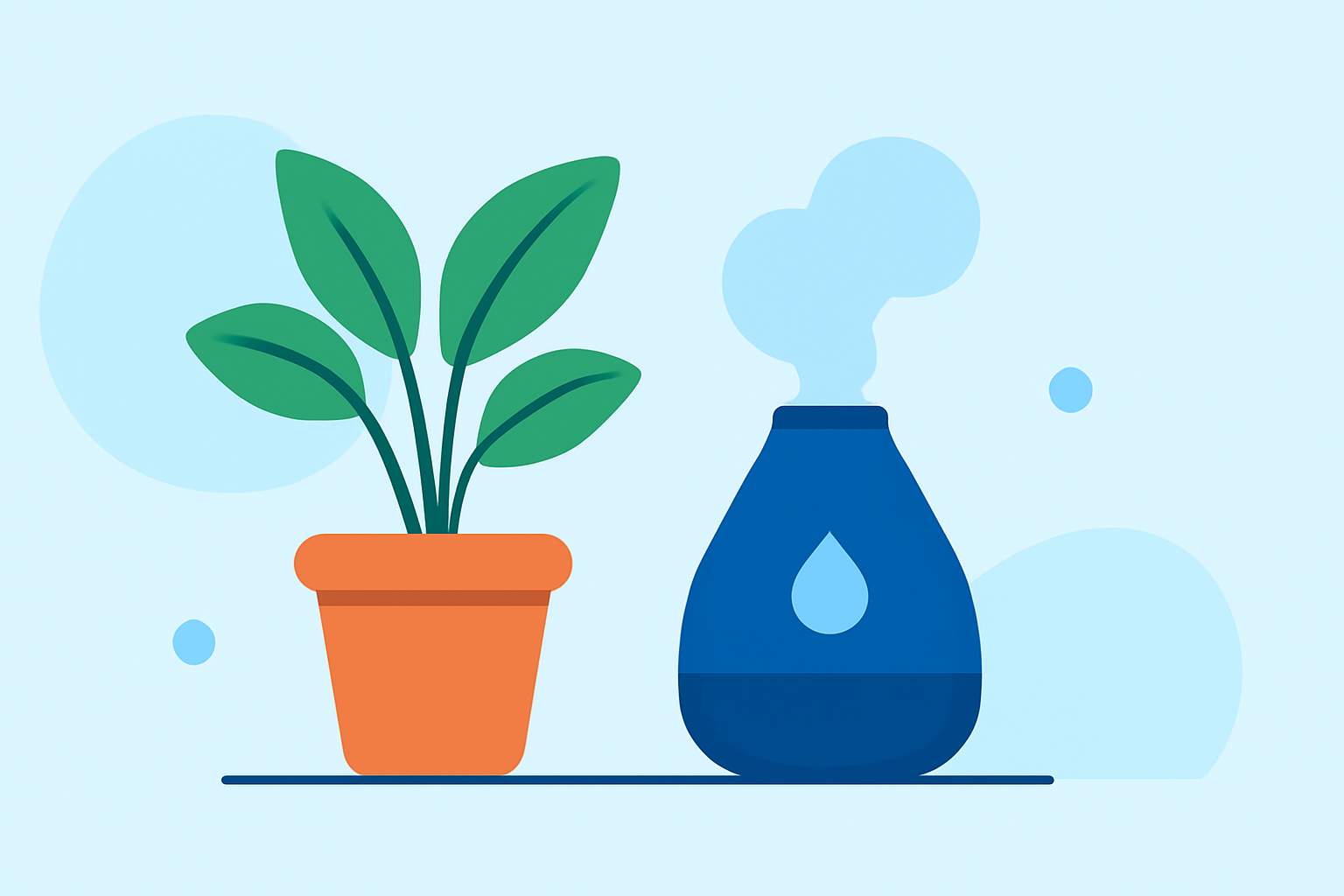
Proper humidity is crucial for the well-being of indoor plants, influencing their growth, appearance, and overall health. Understanding and managing humidity can be straightforward with the right knowledge and tools.
Why Is Humidity Important for Indoor Plants?
Humidity refers to the amount of moisture in the air, which affects how plants absorb water and nutrients. Inadequate humidity can lead to issues like brown leaf tips, leaf curling, and stunted growth. Conversely, excessive humidity can promote fungal diseases and root rot. Maintaining the right balance is essential for plant health.
What Are the Ideal Humidity Levels for Different Plants?
-
Tropical Plants: Species like Monstera, Peace Lily, and Philodendron thrive in higher humidity levels, typically between 60% and 80%. (foliaire.com)
-
Common Houseplants: Plants such as Pothos, Spider Plant, and ZZ Plant are adaptable and do well in moderate humidity levels ranging from 40% to 60%. (cultivatingflora.com)
-
Succulents and Cacti: These arid-loving plants prefer lower humidity, around 30% to 40%. (soltech.com)
How Can You Measure and Monitor Humidity?
Accurate measurement is the first step in managing humidity:
-
Digital Hygrometers: Affordable devices that display current humidity levels. Place one near your plants to monitor conditions. (hardyhouseplant.com)
-
Smart Sensors: Advanced options that connect to smartphone apps, providing real-time data and trends.
What Are Effective Methods to Adjust Humidity?
-
Using a Humidifier: An ultrasonic humidifier can effectively raise ambient humidity, benefiting multiple plants simultaneously. (thehouseofhydro.com)
-
Grouping Plants Together: Plants release moisture through transpiration; clustering them creates a microenvironment with higher humidity. (hardyhouseplant.com)
-
Pebble Trays: Placing a tray of water and pebbles near plants can increase local humidity as the water evaporates. (hardyhouseplant.com)
-
Misting: Lightly misting plants can provide temporary humidity relief but is less effective for long-term adjustments.
How Do You Recognize Humidity-Related Issues?
-
Low Humidity Signs: Brown, crispy leaf edges or tips, curling leaves, and increased presence of spider mites. (cultivatingflora.com)
-
High Humidity Signs: Soft, yellowing leaves, black or brown spots indicating rot, and mold growth.
How Does Clime Support Plant Enthusiasts?
Clime offers advanced environmental monitoring solutions that help you track and manage humidity levels in your indoor spaces. By providing real-time data and insights, Clime enables you to create optimal conditions for your plants, ensuring they thrive.
By understanding and managing humidity, you can create a conducive environment for your indoor plants, promoting their health and vitality.