
Essential Tips to Boost Humidity for Your Indoor Plants
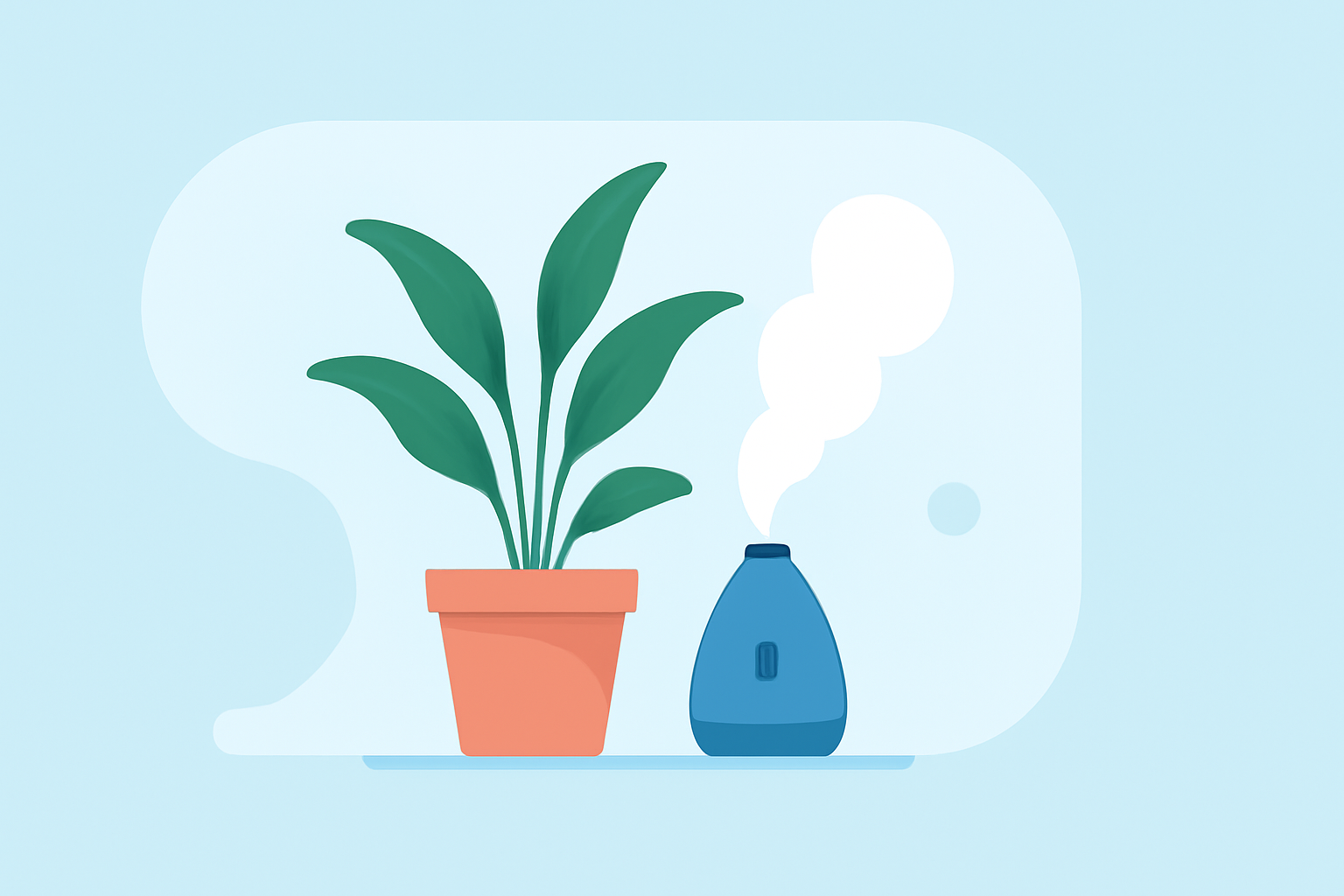
Maintaining optimal humidity levels is crucial for the health of many indoor plants, especially tropical varieties. While most houseplants thrive in standard indoor humidity, certain species require higher moisture levels to flourish.
Why Does Humidity Matter for Plants?
Humidity affects a plant's ability to transpire, which is essential for nutrient uptake and overall health. Low humidity can lead to symptoms like brown leaf tips, crispy edges, and stunted growth. Tropical plants, in particular, often need higher humidity levels to thrive.
How Can I Measure Humidity Levels?
To accurately monitor humidity, use a hygrometer placed near your plants. Digital versions are typically more reliable and affordable. This tool helps you maintain the desired moisture levels for your greenery.
What Are Effective Ways to Increase Humidity?
-
Use a Humidifier: An ultrasonic humidifier is the most effective method to raise humidity levels consistently. It can humidify entire rooms, providing a stable environment for your plants. Regular cleaning is essential to prevent mold and bacteria buildup.
-
Group Your Plants Together: Placing plants close to each other creates a microenvironment with higher humidity, as they release moisture into the air. This method is particularly useful for a small collection of plants.
-
Use Pebble Trays: A tray filled with water and pebbles placed under a plant pot can raise humidity around that specific plant. However, this method is less effective in open rooms and is better suited for enclosed spaces.
-
Place Plants in Naturally Humid Areas: Bathrooms and kitchens often have higher humidity levels due to activities like cooking and showering. Positioning your plants in these rooms can help meet their moisture needs.
What Methods Are Less Effective?
-
Misting: While misting can temporarily increase humidity, it often does not provide a lasting effect and can promote fungal diseases if leaves remain wet. It's generally not recommended as a primary method for increasing humidity. (gardeningknowhow.com)
-
Pebble Trays: In typical open rooms, pebble trays raise humidity minimally. Air currents disperse the moisture, making them less effective for significant humidity increases. (plantvault.com)
How Can I Maintain Optimal Humidity Levels?
-
Regular Monitoring: Keep an eye on humidity levels using your hygrometer, especially during seasonal changes or when using heating or cooling systems.
-
Adjust Methods as Needed: If you notice signs of low humidity stress, such as browning leaf tips or leaf curl, consider increasing the use of your humidifier or adjusting plant placement.
By implementing these strategies, you can create a more favorable environment for your indoor plants, promoting their health and vitality.
Highlights:
- Stop Misting! Why Your Houseplant Humidity Trick Could Actually Be Killing Them - and What to Do Instead, Published on Tuesday, January 06
- These 7 Popular Houseplants Won't Survive Without Extra Humidity - Do You Have One? Here's How to Help Them Thrive, Published on Monday, November 24
- The shower trick that makes peace lily leaves shiny and healthy, Published on Sunday, May 03