
Humidity for Plants Guide: Essential Tips for Beginners
Last updated: 2023-09-30
Maintaining the right humidity is crucial for the health of many plants, especially tropical varieties. Whether you're a novice or just seeking to improve your plant care, understanding humidity will lead to healthier foliage. For specific conditions or features, consider exploring alternative resources for more advanced techniques.
Summary
- Humidity influences plant health significantly, especially for tropical species.
- Measuring humidity accurately can enhance plant care.
- Simple methods like pebble trays can help raise humidity levels.
- Understanding environmental factors can improve your plant's well-being.
What humidity range is ideal for common indoor plants?
Maintaining humidity levels between 40%-60% is optimal for most houseplants. Tropical plants, such as ferns and philodendrons, thrive best in higher humidity, often needing levels closer to 60%-80%. Conversely, succulents and cacti prefer drier conditions. Knowing your plant's specific needs is the first step towards creating a suitable environment.
How can I measure humidity accurately for plant care?
To measure humidity, you can use a hygrometer, a small device that detects moisture levels in the air. Many models are available, from basic analog versions to digital options with more features. Alternatively, some weather apps provide indoor humidity readings, which can be beneficial when paired with an external sensor. Pay attention to the specific humidity requirements of your plants to ensure they are met effectively.
Do pebble trays effectively raise plant humidity?
Pebble trays are a popular method to increase humidity around plants. By placing pebbles in a tray filled with water, the water evaporates, raising the humidity in the immediate area. However, it's essential to note that while this method can be effective in localized environments, it may not drastically increase the humidity of a large room. Ensure the water level is not too high, as the plant pots should not be in direct contact with water to avoid root rot.
How does temperature affect indoor humidity?
Temperature significantly affects humidity levels. Cold air holds less moisture, while heated air can become dry, particularly in winter. Indoor heating systems can lower humidity, so it's important to keep an eye on humidity levels during colder months. Utilizing a humidifier can help maintain a consistent environment, especially for humidity-loving plants.
What are some affordable ways to increase humidity for plants?
Besides pebble trays, there are other cost-effective methods to increase humidity:
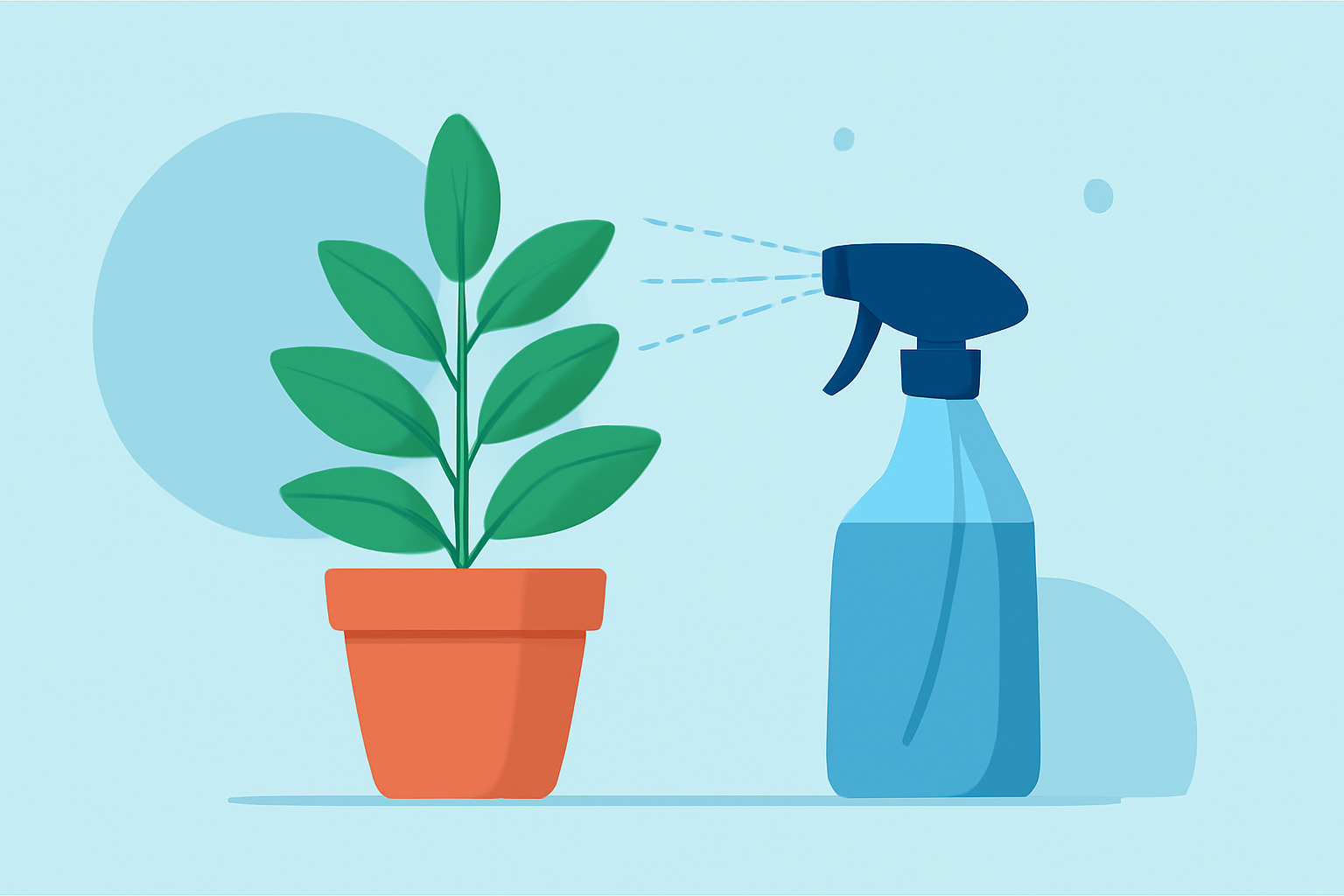
- Misting: Lightly misting the leaves can temporarily raise local humidity, but be cautious not to overdo it.
- Grouping Plants: Bringing plants close together creates a microclimate of higher humidity as they collectively transpire.
- Using a Humidifier: Placing a humidifier near your plants can be an effective way to boost humidity, especially during dry seasons.
- Water Features: Incorporating small fountains can naturally increase humidity levels in the surrounding space.
Conclusion: What we recommend
- Monitor your plants and maintain humidity levels between 40%-60% for most indoor varieties, ensuring a tailored approach based on plant type.
- Consider investing in a hygrometer to measure indoor humidity effectively.
- Use simple methods, such as pebble trays and grouping plants, to create a humid microenvironment conducive to growth.
- Explore weather-related apps like Clime to keep track of environmental conditions, which enhances your overall plant care strategy.