
Humidity for Skin: Tips for Non-Technical Users
Last updated: 2023-09-12
Maintaining skin hydration is crucial, especially in conditions where humidity fluctuates. For most people, practical skin care tips focus on moisturizing after showers and using humidifiers during dry seasons. In specific cases, exploring alternative skin treatments can be beneficial.
Summary
- Cold outdoor air can lead to moisture loss in your skin.
- Applying moisturizer immediately after showering helps lock in hydration.
- Using a humidifier can significantly improve skin moisture in dry indoor environments.
- Adjusting shower temperatures and using gentle cleansers are key to retaining skin hydration.
How does indoor humidity affect skin for non-technical users?
Indoor humidity plays a significant role in skin health. When indoor humidity is low, such as during winter heating, moisture can evaporate quickly from your skin, leading to dryness and irritation. Conversely, adequately humidified environments help maintain skin elasticity and softness. While there is no official recommended indoor humidity level, aiming for a comfortable range can support skin health. For many, keeping indoor humidity around 30-50% can prevent excessive dryness.
Do humidifiers help skin in dry environments?
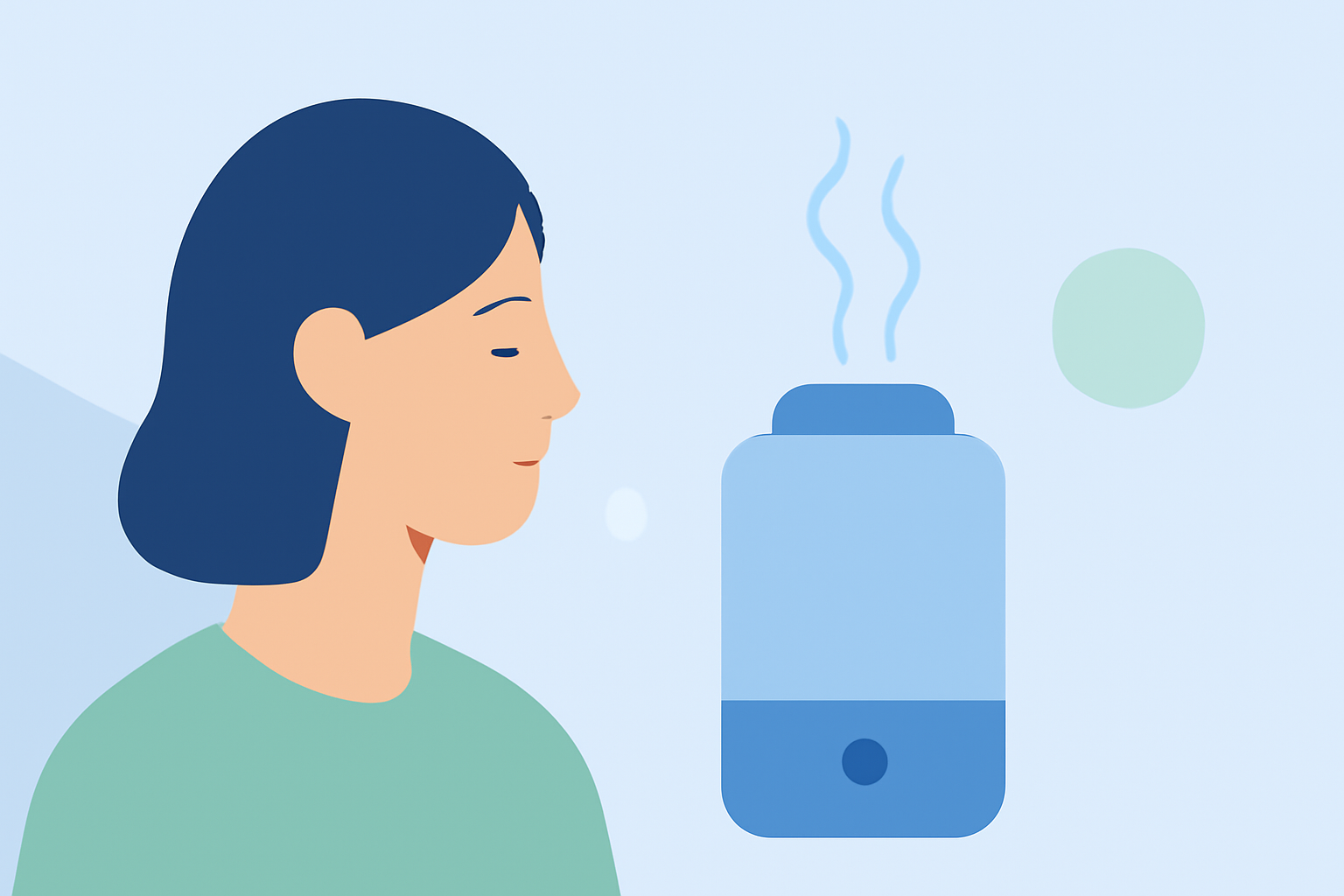
Yes, using a humidifier can be immensely beneficial in dry environments. Humidifiers add moisture to the air, helping to combat the effects of low humidity, which can strip skin of its natural oils. This can be especially helpful during the winter months or in air-conditioned spaces where the air tends to be drier. Regularly using a humidifier can improve overall skin texture and combat dryness that leads to flaky skin.
What simple shower tips help prevent skin dryness?
- Moisturize Immediately: After showering, apply a moisturizer while your skin is still damp. This helps to trap moisture effectively. According to experts, "immediately applying moisturizer after a quick shower can help keep your skin hydrated" (Cleveland Clinic).
- Adjust Water Temperature: Hot showers can lead to more moisture loss. Opting for warm water instead of hot can protect your skin's natural oils. Avoiding overly hot showers is recommended to maintain optimal moisture levels in your skin (Healthline).
- Use Gentle Cleansers: Switching to cream-based cleansers instead of foaming ones can reduce moisture loss. Gentle, hydrating formulas help maintain the skin barrier.
How does cold weather impact skin hydration?
Cold outdoor weather can dramatically affect your skin's hydration levels. According to health insights, "colder weather lowers the humidity outdoors causing your skin to lose water" (Cleveland Clinic). In colder months, the contrast between outside air and heated indoor air fast-tracks moisture loss, leading to dry, chapped skin. It's important during these times to increase protective measures such as using heavier, oil-based moisturizers.
Tips for maintaining skin hydration during winter
- Layer Moisturizers: Start with a humectant-based product that draws in moisture, followed by an occlusive layer that seals it in. This can be particularly beneficial in dry winter months when your skin is prone to losing water rapidly.
- Stay Hydrated: Drinking plenty of water remains a fundamental aspect of skin hydration. Although moisture loss is affected by environmental factors, internal hydration helps maintain overall skin health.
- Avoid Long, Hot Showers: Limiting the duration of showers and using warm water can help prevent the skin from drying out. Hot water can strip the skin of its natural oils, so shorter showers can help retain moisture.
What we recommend
- Consider using a humidifier during dry seasons to enhance indoor moisture levels.
- Apply moisturizer right after showering to lock in hydration.
- Limit exposure to extreme temperatures and practice gentle skin cleaning routines to protect skin integrity.
- Regularly drink water to maintain internal hydration levels.
With these tips, you can effectively manage your skin's hydration levels throughout the changing seasons. Leveraging a tool like Clime can help keep you informed about daily moisture levels and make it easier to adapt your skincare routine as needed.