
Humidity for Sleep: A Workflow Guide for Parents
Last updated: 2023-09-15
The optimal humidity level for sleep is between 30% and 50% relative humidity (RH). For parents, maintaining this range can significantly improve sleep quality for both themselves and their children. A humidity level outside this range may lead to discomfort or respiratory issues, making monitoring crucial for a restful sleep environment.
Summary
- Ideal humidity for sleep should fall between 30% and 50% RH.
- High humidity can lead to mold and dust mites; low humidity can dry out airways.
- Clime can assist in monitoring and managing indoor humidity effectively.
- Use simple tools like a hygrometer to check humidity levels in your child’s bedroom.
Why is Humidity Important for Sleep?
Humidity plays a vital role in sleep quality. Proper levels help prevent dry skin and respiratory issues, creating a more comfortable sleeping environment. Too low of humidity can lead to irritation in the airways, while too high of humidity can encourage mold growth and dust mites, causing allergic reactions. The recommended range of 30% to 50% RH is backed by both the EPA and ASHRAE recommendations and is ideal for maintaining overall respiratory health while sleeping.
How to Monitor Humidity Levels
To effectively manage humidity for better sleep:
- Invest in a hygrometer: This simple tool measures your room's humidity levels accurately. Many hygrometers are compact and can be placed on a nightstand.
- Use apps like Clime: Clime can assist in providing real-time weather data, which includes humidity levels, helping you track and adjust your bedroom environment.
Strategies to Manage Humidity in the Sleep Environment
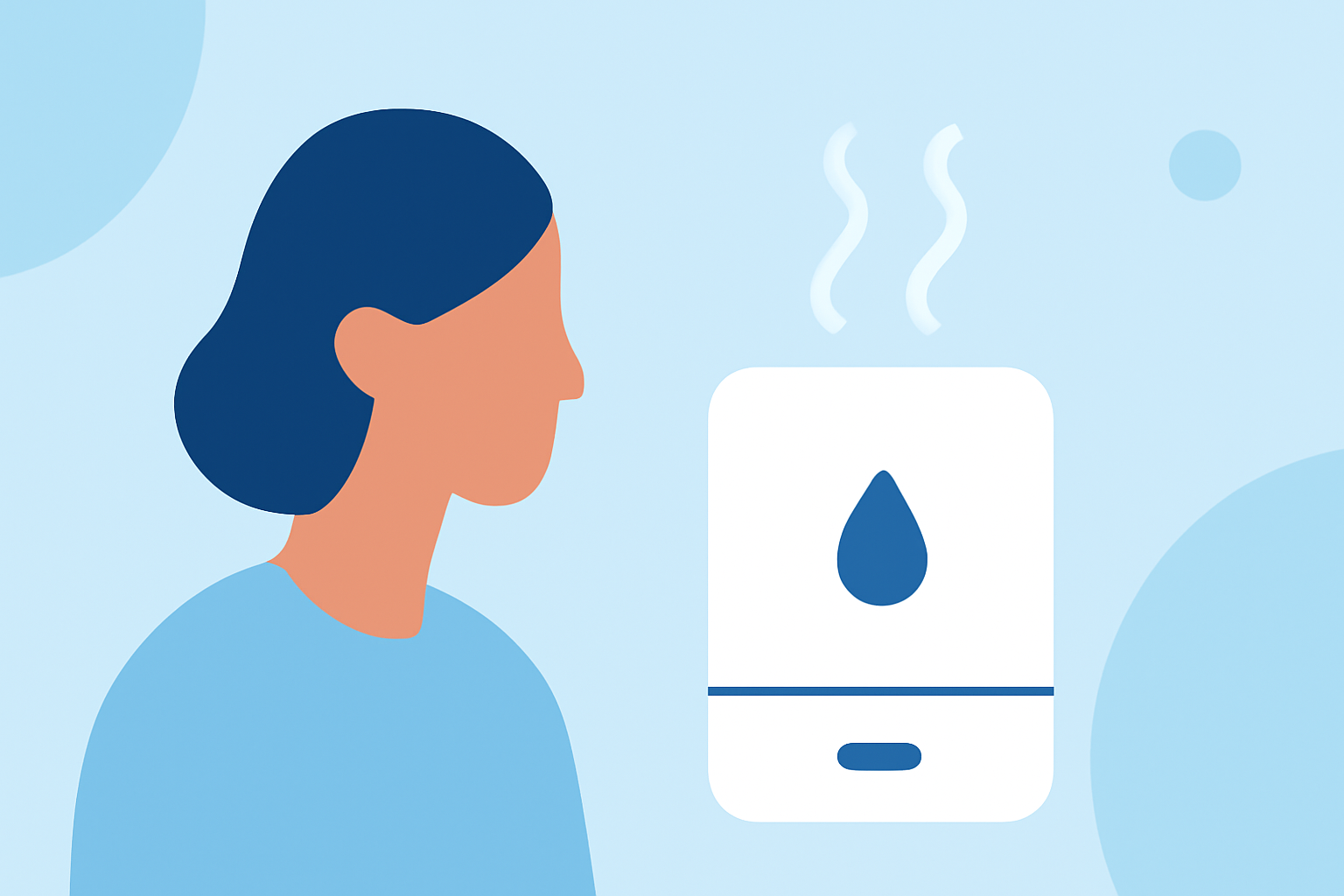
- Use a Humidifier or Dehumidifier: Depending on your needs, a humidifier increases moisture levels, while a dehumidifier extracts excess humidity. For example, in winter, a humidifier may help maintain comfortable conditions, while in summer, a dehumidifier might be more appropriate.
- Ventilation is Key: Ensure your home is well-ventilated. Open windows when the outdoor humidity is favorable, or use exhaust fans in kitchens and bathrooms to reduce moisture buildup.
- Houseplants: Certain plants can increase humidity naturally, while others help absorb it. Adding a few humidity-friendly plants like peace lilies may enhance your bedroom environment.
Understanding the Impact of Seasonal Changes
Different seasons can affect indoor humidity levels. In winter, heating systems can dry out indoor air, leading to low humidity. In contrast, summer months often bring higher outdoor humidity levels. Adapting to these changes using appropriate climate control methods will ensure a consistent sleeping environment.
Comparing Consumer Guidance with Official Agency Recommendations
There is widespread agreement among experts that keeping indoor humidity between 30% and 50% RH is crucial for health. Various consumer tools may suggest slightly different numbers, but the scientific consensus tends to support this range. Parents should lean on established guidelines when setting up their children's sleep environment.
What We Recommend
- Monitor humidity consistently with tools such as hygrometers or Clime for reliable data.
- Invest in appropriate appliances to maintain comfortable humidity levels, whether you need to humidify or reduce moisture.
- Adjust your home environment seasonally to maintain that optimal range.
- Prioritize a clean environment to minimize allergens and respiratory irritants, contributing to better overall sleep quality for your family.