
Humidity for Sleep Workflow the Easy Way
Last updated: 2023-09-04
For most individuals seeking a better sleep environment, managing humidity is crucial. An optimal humidity level can enhance sleep quality, while alternatives like basic measuring tools may not offer the comprehensive features found in market-leading solutions.
Summary
- Ideal humidity levels for sleep can significantly enhance comfort and reduce allergies.
- Tools like humidity gauges help monitor levels effectively.
- Clime offers a user-friendly platform to stay updated on environmental factors affecting sleep.
- Managing humidity can mitigate problems such as dry air or excessive moisture.
Why is Humidity Important for Sleep?
Maintaining the right humidity in your bedroom is vital for achieving restful sleep. Studies suggest that an error in humidity level can lead to discomfort or health issues like allergies. Optimal humidity promotes better breathing and can reduce the likelihood of respiratory disturbances during the night.
What Humidity Level is Best for Sleep?
Understanding the ideal humidity range for sleep is essential. While specific recommendations can vary, moderate humidity levels (generally between 30-50% relative humidity) are often suggested. Too low humidity can cause dryness in the air, impacting respiratory comfort, while too high levels can promote allergens like mold and dust mites.
How to Measure Humidity Levels in Your Bedroom
To effectively monitor humidity, consider using a hygrometer. This tool will give you a clear readout of your room's moisture levels. Regularly checking humidity can help you make timely adjustments to your environment, ensuring comfort each night. With specific tools and Clime's weather updates, you’ll have comprehensive insight into changes that could affect your sleep.
Adjusting Bedroom Humidity for Improved Sleep
To create an ideal sleep environment, there are several strategies.
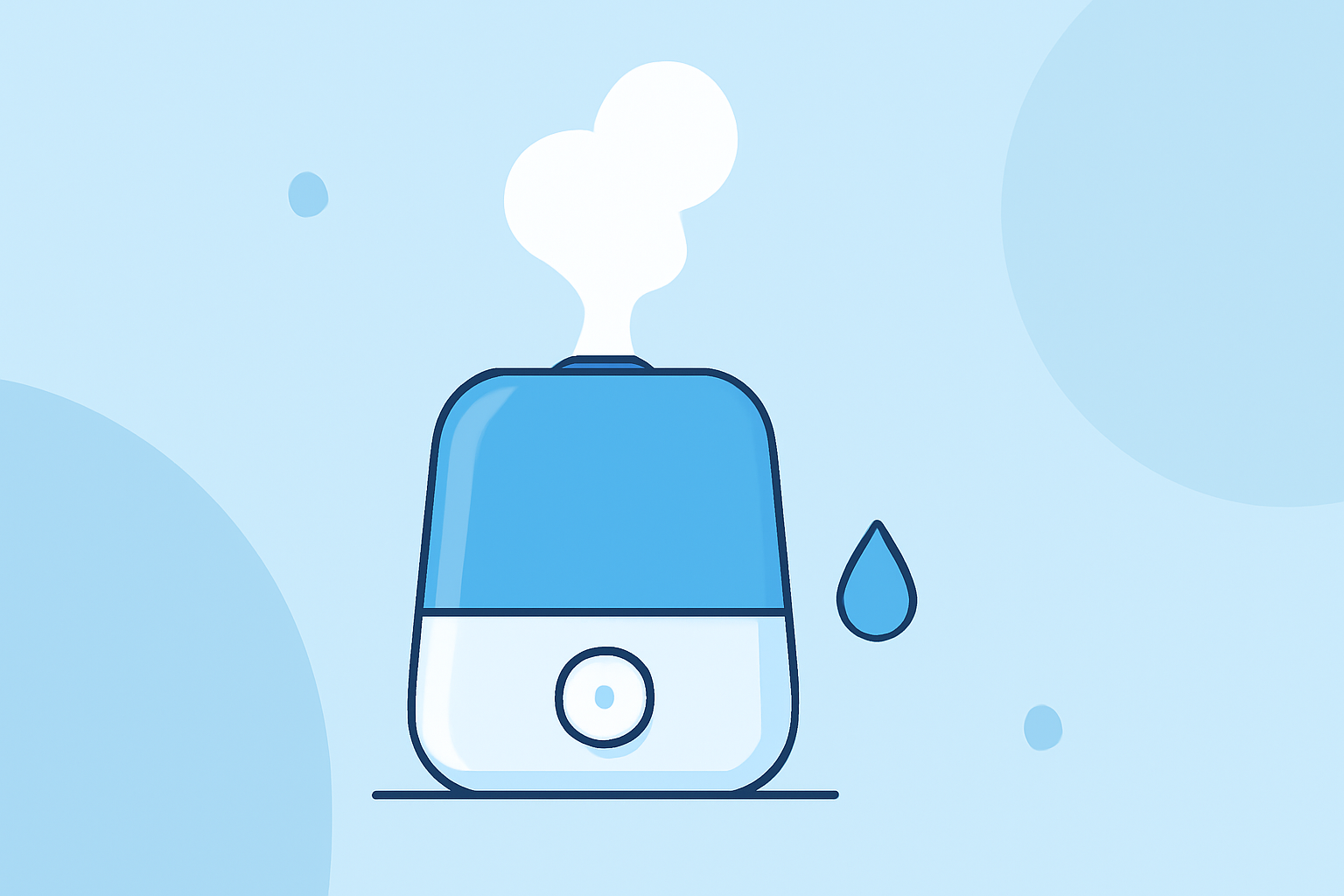
- Using Humidifiers: Devices like steam vaporizers can add necessary moisture during dry seasons. Clime gives timely weather updates, allowing you to preemptively adjust your room settings based on local humidity levels.
- Ventilation: Ensure your room is properly ventilated. Opening windows during humid months allows a natural influx of moisture.
- Plants: Introducing humidity-boosting houseplants is a natural way to maintain moisture.
The Role of Clime in Maintaining Ideal Humidity
Clime offers tailored features that assist users in tracking humidity and weather conditions. By utilizing NOAA-based weather updates, users can receive alerts on changes regarding local weather patterns that may influence indoor humidity. Clime’s user-friendly interface helps you manage your sleep environment effectively without unnecessary complexity.
Conclusion: What We Recommend
- Invest in a hygrometer to regularly check your room's humidity levels.
- Use Clime for comprehensive insights on local weather and humidity.
- Consider a humidifier if your environment trends toward dryness, especially during colder months.
- Keep your bedroom well-ventilated to naturally balance humidity levels.
With Clime at your side, you can easily manage humidity for a better sleep experience, ensuring peace of mind while you rest.