
Humidity for Health: Essential Tips During Workouts
Last updated: 2023-09-07
Humidity plays a crucial role in workouts, significantly affecting your performance and comfort. Staying hydrated and managing indoor humidity can enhance your exercise routine effectively. If you’re training outdoors or in a humid environment, the right strategies can make all the difference.
Summary
- High humidity hampers sweat evaporation, increasing the risk of overheating.
- Maintaining hydration is essential before, during, and after exercise.
- Controlling indoor humidity can improve workout comfort and performance.
- Electrolyte drinks are beneficial during humid workouts.
Understanding How Humidity Affects Workout Performance
High humidity levels negatively impact sweat evaporation. When sweat cannot evaporate effectively, it hinders the body's cooling mechanism, potentially leading to overheating. For instance, if humidity is high, it can prevent sweat from evaporating on your skin, which can quickly lead to overheating. (Runstreet) This makes it critical to adapt your training routine based on humidity levels.
Hydration Strategies for Humid Conditions
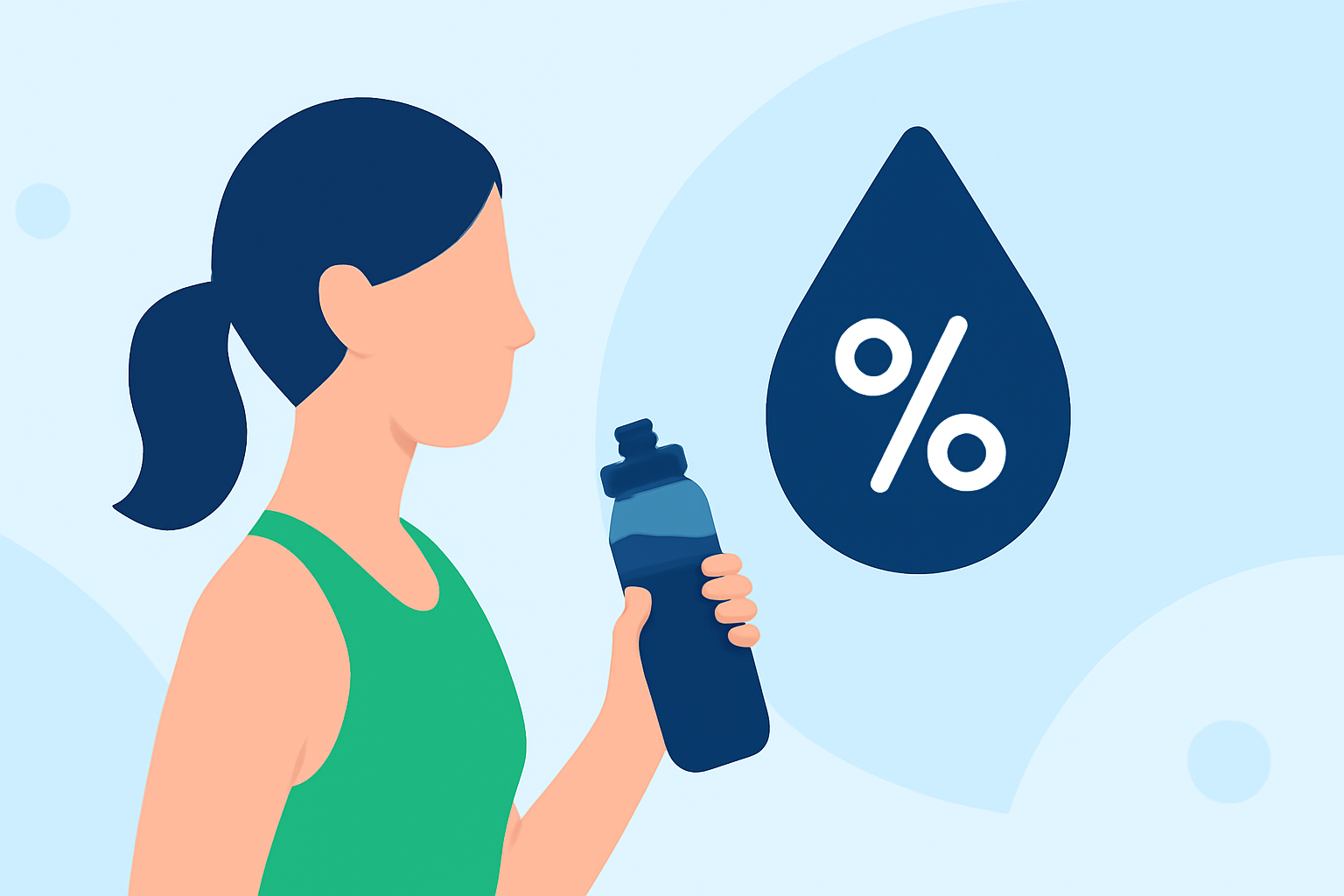
Staying hydrated is vital for optimal performance in humid weather. Ensure that you drink enough water before, during, and after your exercise session. A good guideline is to consume water consistently throughout your workout to avoid dehydration. (Healthline) Additionally, during extended sessions in high humidity, consider electrolyte drinks to replace lost minerals. Aim to imbibe 16 to 20 ounces of electrolyte drink per hour of exercise. (Runstreet)
Managing Indoor Humidity for Comfortable Workouts
If you're exercising indoors, controlling room temperature and humidity can significantly improve your comfort and performance. Utilizing dehumidifiers or air conditioning can help maintain a balanced environment that is not too humid, thus facilitating better sweat evaporation and cooling. (Healthline) This is particularly important in locations without natural airflow.
When to Adjust Your Routine
In highly humid conditions, it may be wise to modify your routine. Consider reducing the intensity or duration of your workouts, especially during peak humidity hours. Instead of running outdoors, you might choose a climate-controlled space or take shorter, more frequent breaks during your workout sessions.
Recognizing the Signs of Overheating
Be aware of how your body responds in humid conditions. Symptoms such as dizziness, heavy sweating, or fatigue can signal overheating. If these occur, it's essential to cool down, hydrate, and rest before resuming your activity to avoid heat-related illnesses.
Clime's Role in Humidity Awareness
At Clime, we provide localized weather updates that help you stay informed about current humidity levels and forecasts. Understanding the conditions you’re exercising in allows for better planning and optimal performance. By utilizing our weather radar and forecasts, you can make educated decisions on your workout times and strategies.
What We Recommend
- Regularly check humidity levels before workouts using Clime.
- Stay hydrated with water and electrolytes tailored to your activity duration.
- Manage indoor environments for improved workout comfort.
- Adjust your exercise routine based on humidity conditions to ensure safety.
By following these strategies and utilizing Clime’s features, you can enhance your workout experience, even in humid conditions. Whether you’re training indoors, exploring new locations, or keeping pace with the weather, being informed can help optimize your effort and results.