
Common Humidity Mistakes to Avoid for Thriving Houseplants
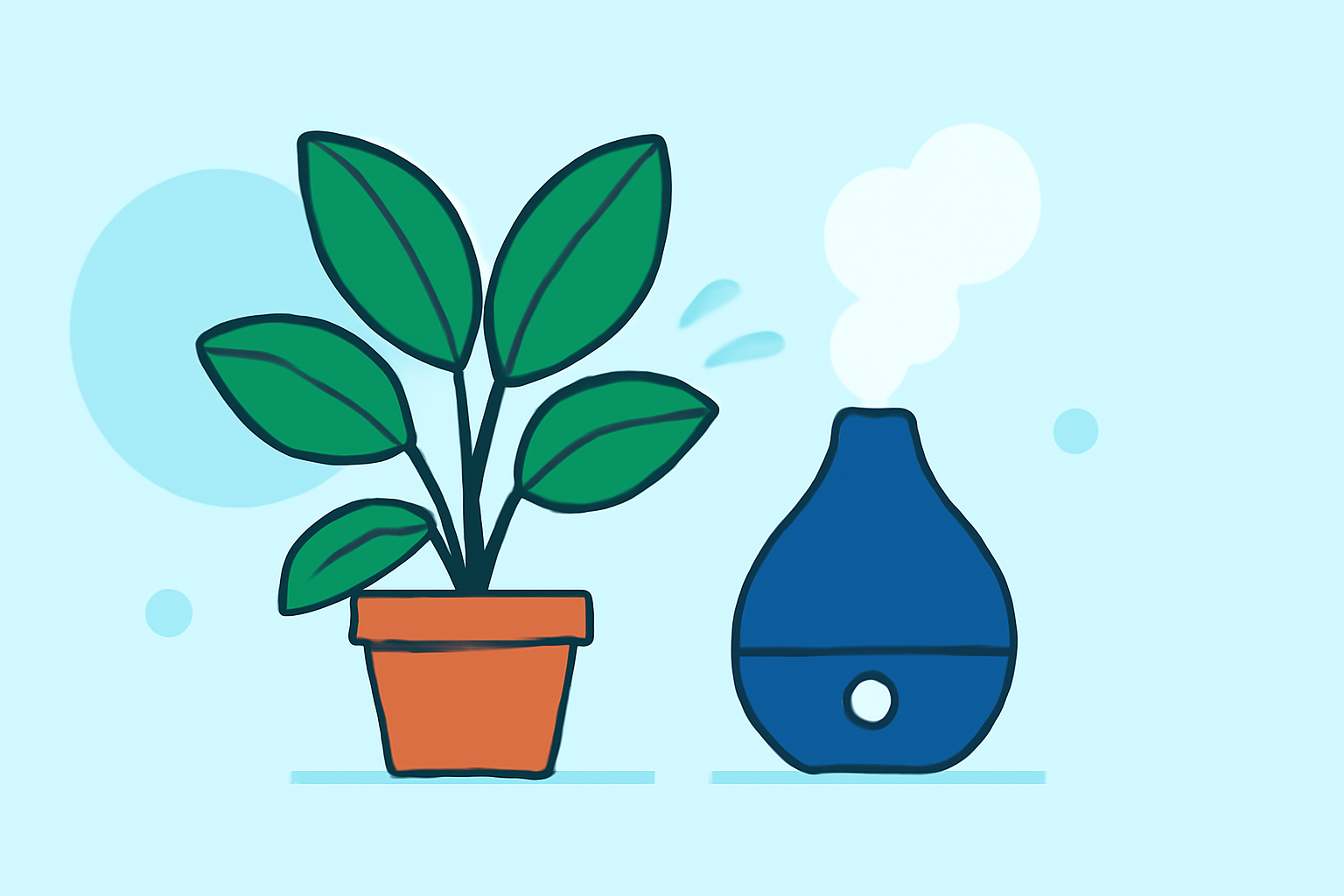
Maintaining the right humidity is crucial for the health of your houseplants. Many common mistakes can lead to issues like leaf browning, mold growth, and stunted growth. Here's how to avoid them:
1. Not Monitoring Humidity Levels
Failing to check the humidity can result in conditions that are too dry or too moist for your plants. Using a hygrometer to monitor humidity levels helps ensure they stay within the ideal range for your specific plants. (coairo.com)
2. Overwatering in High Humidity
Increased humidity can reduce the need for frequent watering. Overwatering in such conditions can lead to root rot and other issues. Always check the soil moisture before watering to prevent overwatering. (coairo.com)
3. Relying on Misting Alone
Misting provides only temporary moisture and doesn't significantly raise ambient humidity. Over-reliance on misting can also promote fungal diseases. Instead, use a humidifier or place plants on pebble trays to increase humidity effectively. (gardeningknowhow.com)
4. Using Pots Without Drainage Holes
Pots without drainage holes can trap water at the bottom, leading to root rot. Always use pots with drainage holes to allow excess water to escape. (tomsguide.com)
5. Placing Plants Near Heating or Air Conditioning Vents
Direct exposure to heating or cooling vents can cause rapid fluctuations in humidity, stressing your plants. Place your plants away from these sources to maintain a stable environment. (homesandgardens.com)
6. Overcrowding Plants
While grouping plants can create a microclimate, overcrowding can restrict airflow, leading to mold and mildew growth. Ensure adequate space between plants to promote healthy growth. (homesandgardens.com)
7. Ignoring Plant-Specific Humidity Needs
Different plants have varying humidity requirements. Research the specific needs of your plants to provide the optimal environment for each. (ourhouseplants.com)
8. Using Tap Water with High Mineral Content
Tap water often contains minerals that can build up in the soil, causing leaf tip burn and other issues. Use filtered or distilled water to avoid these problems. (tomsguide.com)
9. Not Providing Adequate Airflow
Stagnant air can lead to fungal diseases and poor plant health. Ensure your plants have good airflow to promote a healthy environment. (homesandgardens.com)
10. Using Misting as a Primary Humidity Solution
Misting can wet the leaf surface briefly, but it does not reliably raise room humidity for long enough to replace a humidifier or a better environment. (foliage-factory.com)
By being aware of these common mistakes and taking proactive steps, you can create an environment where your houseplants can thrive. Remember, each plant is unique, so understanding and catering to their specific needs is key to successful indoor gardening.
Highlights:
- I stopped making these 9 plant 'care' mistakes and now my plants are thriving, Published on Friday, April 03
- Stop Misting! Why Your Houseplant Humidity Trick Could Actually Be Killing Them - and What to Do Instead, Published on Tuesday, January 06