
Understanding Humidity Monitoring for Musical Instruments on Smart Displays
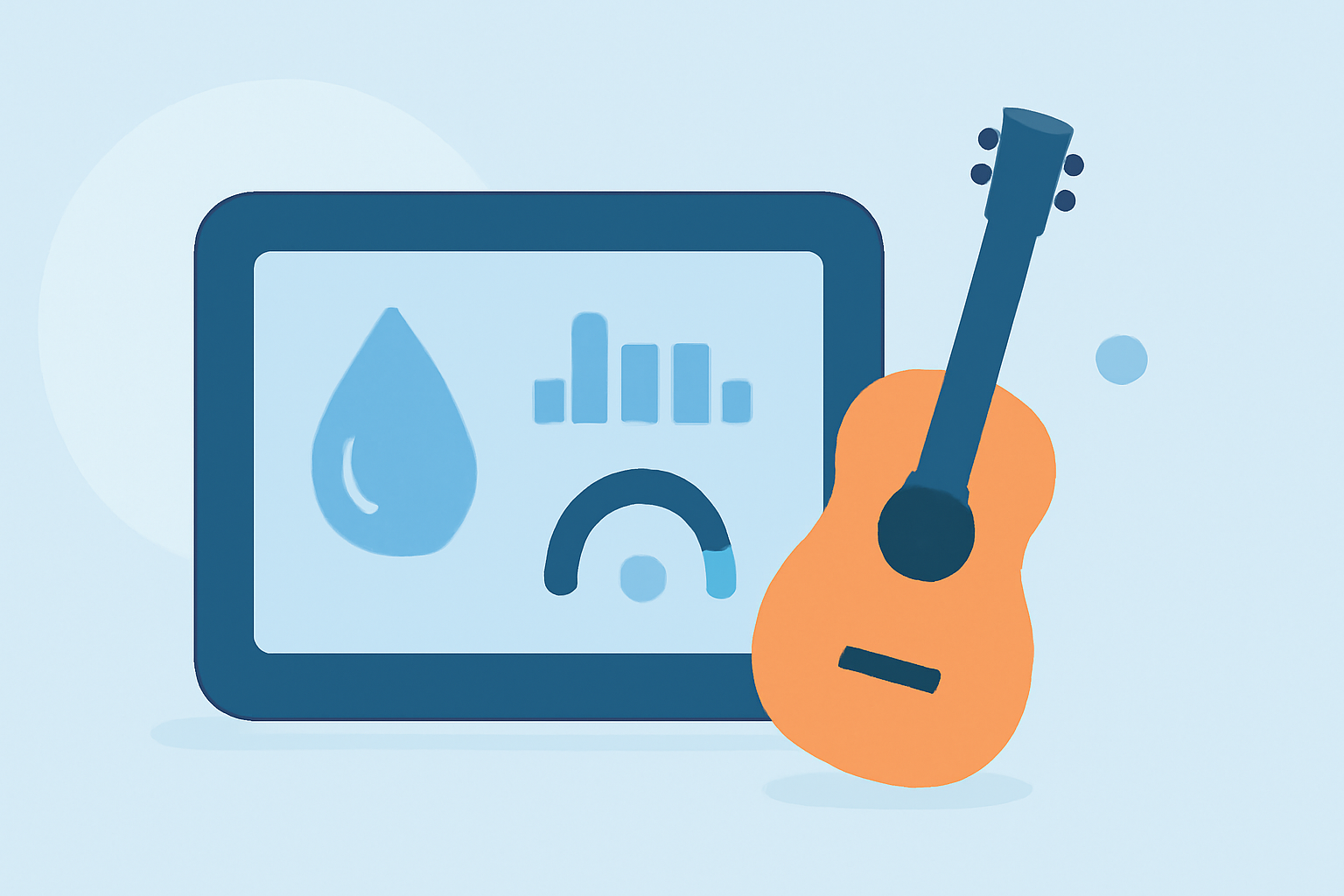
Maintaining the right humidity levels is crucial for preserving the quality and longevity of musical instruments. Fluctuations in humidity can lead to warping, cracking, and diminished sound quality. Smart displays equipped with humidity monitoring capabilities offer musicians an effective solution to safeguard their instruments.
Why Is Humidity Important for Musical Instruments?
Wooden instruments, such as guitars, violins, and pianos, are particularly sensitive to changes in humidity. High humidity can cause wood to swell, leading to warping and potential damage to finishes. Conversely, low humidity can dry out the wood, resulting in cracks and a loss of tonal quality. Maintaining a stable relative humidity (RH) between 45% and 55% is generally recommended to keep instruments in optimal condition.
How Do Smart Displays Monitor Humidity?
Smart displays designed for instrument care typically feature built-in sensors that continuously measure the RH and temperature within the instrument's environment. These devices often connect to mobile apps, allowing musicians to monitor conditions remotely. For instance, some smart hygrometers provide real-time data and send alerts if the RH deviates from the desired range.
Benefits of Using Smart Displays for Humidity Monitoring
- Real-Time Monitoring: Continuous tracking of RH and temperature ensures immediate awareness of any fluctuations.
- Remote Access: Mobile app integration allows musicians to check conditions from anywhere, providing peace of mind when away from their instruments.
- Preventive Alerts: Push notifications inform users of hazardous conditions, enabling timely corrective actions to prevent damage.
- Data Logging: Some devices record historical data, helping users understand trends and make informed decisions about instrument care.
Implementing Humidity Control in Your Instrument Care Routine
Incorporating a smart display into your instrument care routine involves the following steps:
- Select a Compatible Device: Choose a smart hygrometer that suits your instrument type and personal preferences.
- Install the Sensor: Place the sensor inside your instrument case or display cabinet, ensuring it has a clear path to measure ambient conditions.
- Connect to the App: Pair the sensor with its corresponding mobile app to enable real-time monitoring and alerts.
- Set Desired Parameters: Configure the app to notify you if RH or temperature readings fall outside your preferred range.
- Regularly Review Data: Periodically check the app for any alerts or trends that may require attention.
Conclusion
Utilizing smart displays for humidity monitoring is an effective strategy to protect your musical instruments from the detrimental effects of environmental fluctuations. By proactively managing humidity levels, you can ensure your instruments remain in optimal condition, preserving their sound quality and extending their lifespan.