
Avoiding Humidity Mistakes for Better Sleep During Hurricane Season
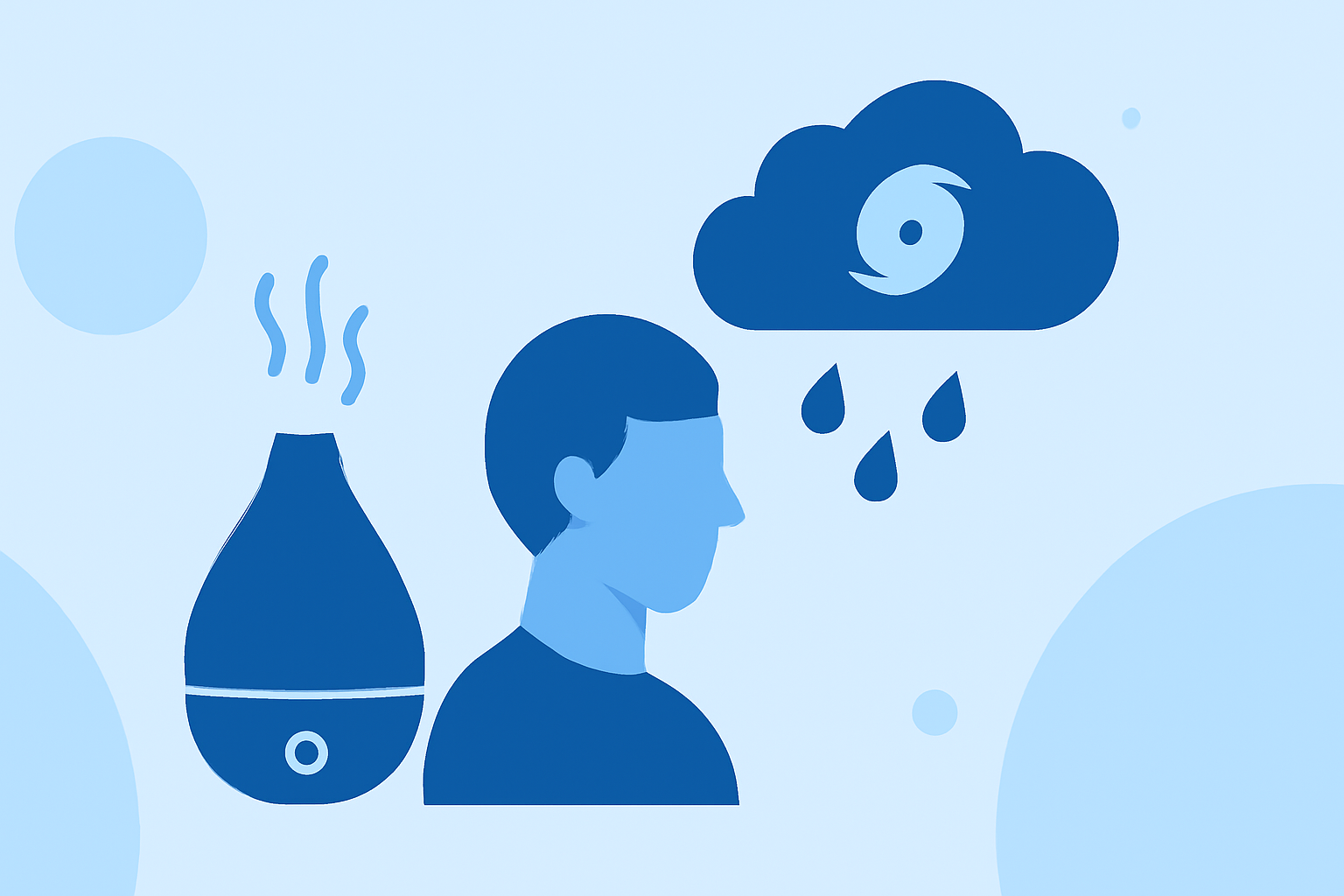
Maintaining optimal indoor humidity is crucial for quality sleep, especially during hurricane season when external conditions can exacerbate humidity levels. Understanding and managing indoor humidity can significantly enhance your sleep quality.
Why Does Humidity Affect Sleep?
Humidity refers to the amount of moisture in the air. Both high and low humidity levels can disrupt sleep:
-
High Humidity: Excess moisture in the air can make the room feel warmer and more uncomfortable, leading to increased wakefulness and difficulty falling asleep. (trane.com)
-
Low Humidity: Insufficient moisture can dry out nasal passages and airways, causing congestion, snoring, and discomfort during sleep. (trane.com)
What Is the Ideal Humidity Level for Sleep?
The optimal indoor humidity for sleep is between 40% and 60%. This range supports the body's natural cooling process and ensures comfortable breathing during sleep. (positivity.org)
Common Humidity Mistakes to Avoid During Hurricane Season
-
Ignoring Indoor Humidity Levels: During hurricane season, external humidity levels often rise, leading to increased indoor humidity. Failing to monitor and adjust indoor humidity can result in discomfort and disrupted sleep.
-
Overusing Air Conditioning: While air conditioners can cool the air, they may not effectively reduce humidity. Relying solely on AC can lead to a cool but still humid environment, which may not be conducive to sleep.
-
Neglecting Ventilation: Proper ventilation is essential for controlling indoor humidity. Sealing windows and doors during storms without ensuring adequate airflow can trap moisture inside, exacerbating humidity levels.
-
Using Humidifiers Without Monitoring: In areas with high humidity, using a humidifier can worsen the problem. It's important to monitor humidity levels to avoid making the air too moist.
How to Manage Humidity for Better Sleep During Hurricane Season
-
Use a Hygrometer: Regularly check indoor humidity levels to ensure they remain within the optimal range.
-
Utilize Dehumidifiers: In humid conditions, dehumidifiers can help reduce moisture in the air, making the environment more comfortable for sleep.
-
Ensure Proper Ventilation: After storms, ventilate your home to allow moist air to escape and fresh air to circulate.
-
Maintain Air Conditioning Systems: Ensure your AC units are well-maintained and capable of effectively reducing humidity.
Conclusion
Managing indoor humidity is essential for quality sleep, particularly during hurricane season when external conditions can impact indoor air quality. By understanding the ideal humidity range and taking proactive steps to control indoor moisture levels, you can create a more comfortable and restful sleep environment.
Highlights:
- Humidity and Sleep: The Ideal Level for Better Rest, Published on Wednesday, April 15
- What Is the Ideal Temperature and Humidity Level for Sleep? - Trane®, Published on Tuesday, April 28
- Humidity and Sleep: Optimize Your Sleep Environment, Published on Thursday, March 07