
Hurricane Evacuation Routes Explained for Gardeners
Hurricanes pose significant threats to coastal regions, and gardeners must be prepared to protect their plants and themselves. Understanding evacuation routes and implementing plant protection strategies are crucial steps in hurricane preparedness.
What Are Hurricane Evacuation Routes?
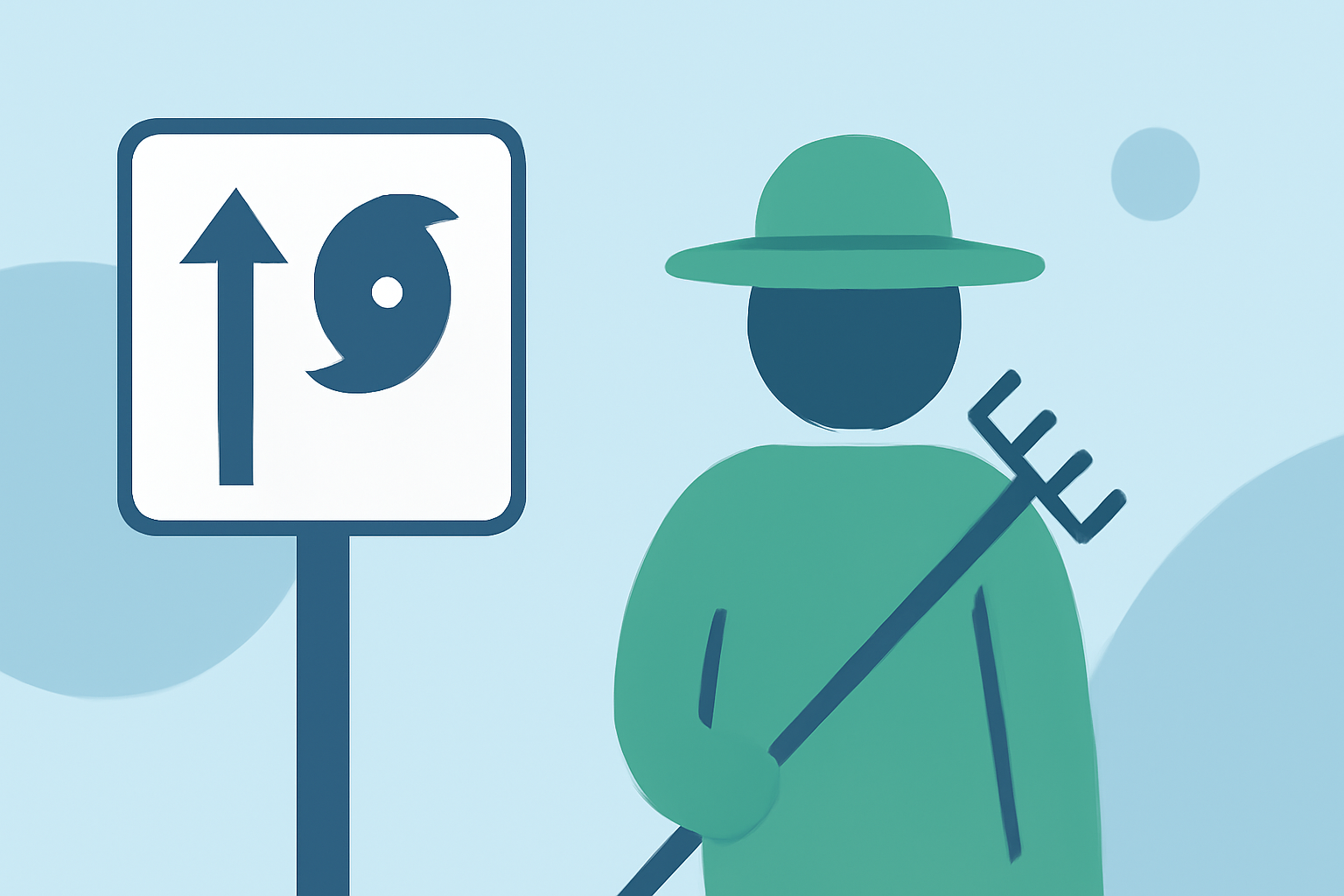
Hurricane evacuation routes are designated pathways established by local authorities to facilitate the safe and efficient movement of residents away from areas at risk of storm surge and flooding. These routes are marked with specific signage and are often subject to contraflow operations, where lanes are reversed to expedite evacuation. For instance, in Houston, Texas, major highways like I-45 North, I-10 West, and US-290 can have their lanes converted to outbound flow during a hurricane evacuation. (houston.com)
How Do Evacuation Zones Affect Gardeners?
Evacuation zones are areas identified based on their vulnerability to storm surge and flooding. These zones are typically categorized from A to F, with Zone A being the most at risk. Gardeners residing in these zones should be prepared to evacuate promptly when orders are issued. It's essential to know your zone and the corresponding evacuation routes to ensure a swift departure. (nyc.gov)
How Can Gardeners Prepare for Evacuation?
-
Stay Informed: Regularly monitor local news and official channels for updates on hurricane developments and evacuation orders.
-
Plan Ahead: Identify the nearest evacuation routes and shelters. Familiarize yourself with the designated evacuation corridors and connections in your area. (click2houston.com)
-
Protect Your Plants: Before evacuating, consider moving potted plants indoors or to higher ground to prevent waterlogging. For in-ground plants, ensure they are well-watered to withstand the stress of heavy rainfall.
-
Prepare an Emergency Kit: Assemble a kit with essentials such as medications, important documents, and a week's supply of food and water. Include items for your plants, like pruning tools and protective covers.
What Should Gardeners Do During Evacuation?
-
Follow Official Instructions: Adhere to evacuation orders and use the designated routes. Avoid shortcuts or unmarked roads, as they may be unsafe or impassable.
-
Secure Your Property: If time permits, secure outdoor furniture and other items that could become projectiles in strong winds.
-
Stay Connected: Keep communication lines open with family, neighbors, and local authorities for updates and assistance.
How Can Gardeners Rebuild After the Storm?
After the hurricane has passed and it's safe to return, assess your garden for damage. Remove any debris and check for signs of disease or pest infestations. Replant as necessary, choosing native and resilient plant species that can withstand future storms. Consider implementing rain gardens or other water management strategies to reduce the impact of heavy rainfall on your garden.
By understanding evacuation routes and preparing accordingly, gardeners can ensure their safety and the resilience of their gardens during hurricane season.