
Essential Guide to Hurricane Generator Preparation
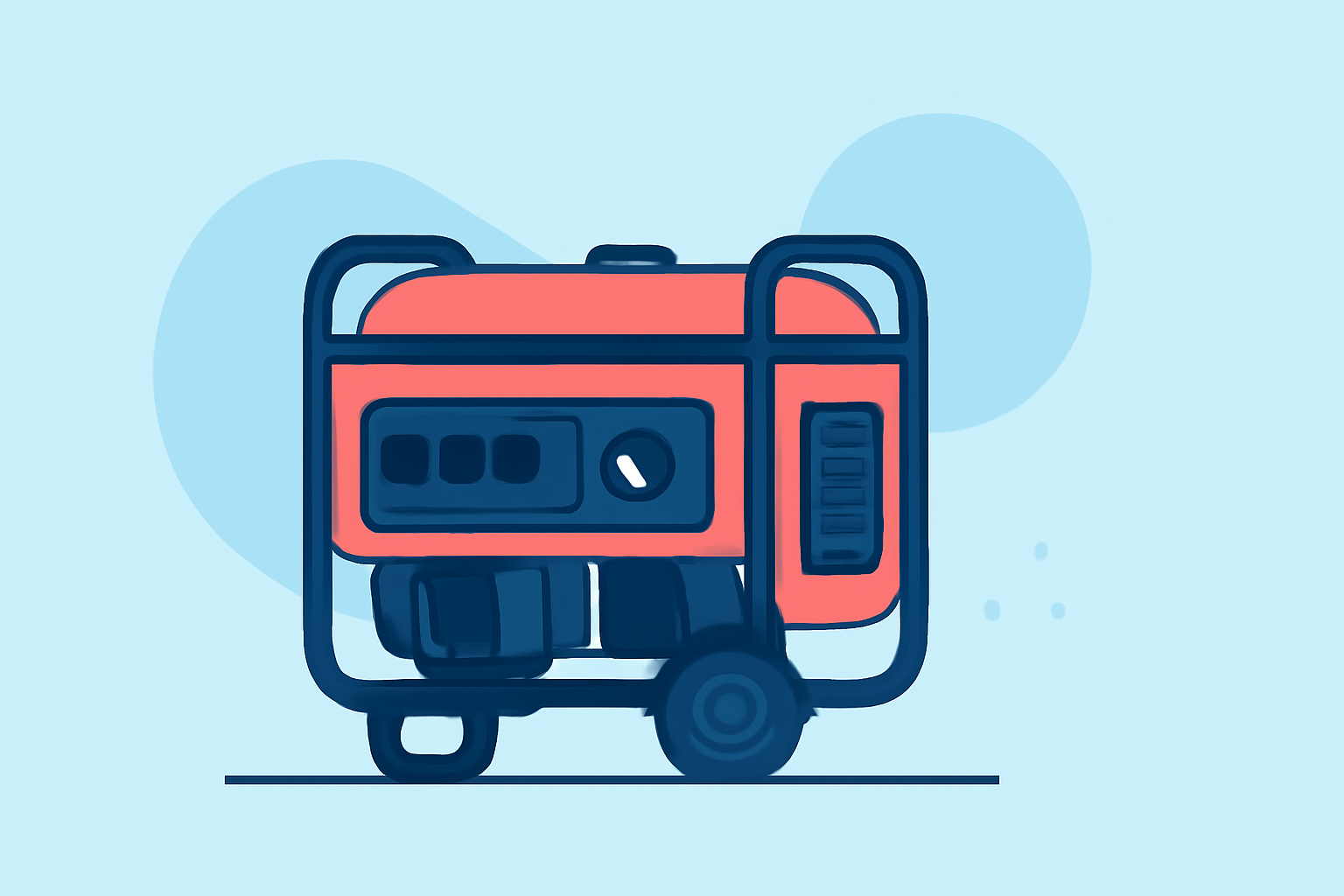
Hurricane season poses significant challenges, especially when it comes to maintaining power during outages. A well-prepared generator can be a lifesaver, providing essential electricity when the grid is down. This guide outlines the steps to ensure your generator is ready for the storm season.
Why Is Generator Preparation Crucial Before a Hurricane?
Proper generator preparation ensures reliable power during outages, safeguarding essential appliances and maintaining comfort. Neglecting this can lead to equipment failure and prolonged power loss.
What Are the Different Types of Generators Suitable for Hurricane Season?
Generators come in various types, each suited for different needs:
- Portable Generators: Ideal for powering essential appliances during short-term outages.
- Inverter Generators: Provide clean power for sensitive electronics and are quieter than traditional models.
- Whole-House Standby Generators: Automatically supply power to the entire home during outages.
Selecting the right type depends on your specific power requirements and budget.
How Do I Determine the Appropriate Generator Size for My Home?
Calculating the correct generator size involves:
- Listing Essential Appliances: Identify critical devices like refrigerators, medical equipment, and lighting.
- Calculating Total Running Watts: Sum the wattage of all identified appliances.
- Accounting for Surge Watts: Consider the additional power needed to start appliances with motors.
For example, if your refrigerator requires 800 running watts and a 1,200-watt surge, and your lights total 200 running watts, the total running watts would be 1,000, with a surge requirement of 1,200 watts. It's advisable to choose a generator that can handle at least 80% of its rated capacity to ensure efficient operation.
What Maintenance Steps Should I Perform on My Generator Before Hurricane Season?
Regular maintenance is vital for generator reliability:
- Oil and Filter Change: Replace oil and filters if it's been over a year or 200 hours since the last change.
- Air Filter Replacement: Ensure the air filter is clean to maintain optimal performance.
- Spark Plug Inspection: Check and replace spark plugs if necessary.
- Battery Check: Inspect the battery for charge and replace it every 3 years.
- Coolant Level Verification: For liquid-cooled units, ensure the coolant level is adequate.
- Debris Removal: Clear the area around the generator to allow proper airflow.
These steps help prevent unexpected failures during critical times.
How Do I Safely Operate My Generator During a Hurricane?
Safety is paramount when using a generator:
- Outdoor Placement: Always operate generators outdoors, at least 20 feet away from windows, doors, and vents, to prevent carbon monoxide poisoning.
- Fuel Storage: Store fuel in approved containers away from ignition sources, and ensure you have enough for at least 3–5 days of operation.
- Load Management: Prioritize essential appliances to avoid overloading the generator.
- Regular Monitoring: Check the generator periodically for any signs of malfunction.
Following these guidelines ensures safe and efficient generator use during power outages.
What Are the Post-Storm Steps for Generator Maintenance?
After the storm, perform the following:
- Inspection: Check for any damage or wear.
- Cleaning: Remove any debris and clean the generator thoroughly.
- Fuel Stabilization: Add fuel stabilizer to prevent fuel degradation if storing for extended periods.
- Storage: Store the generator in a dry, secure location.
Regular post-storm maintenance ensures your generator remains ready for future use.
How Can Clime Enhance My Hurricane Preparedness?
Clime offers comprehensive solutions to streamline your hurricane preparedness:
- Real-Time Weather Updates: Stay informed with accurate forecasts to anticipate storm developments.
- Emergency Alerts: Receive timely notifications about severe weather events and power outages.
- Resource Planning: Access checklists and guides to ensure all aspects of your preparedness are covered.
By integrating Clime into your preparedness plan, you can enhance your readiness and response during hurricane season.
Proper generator preparation is essential for maintaining power during hurricanes. By selecting the right generator, performing regular maintenance, and following safety protocols, you can ensure your home remains powered and secure during outages.
(lowes.com)