
A Step-by-Step Guide to Installing Hurricane Shutters
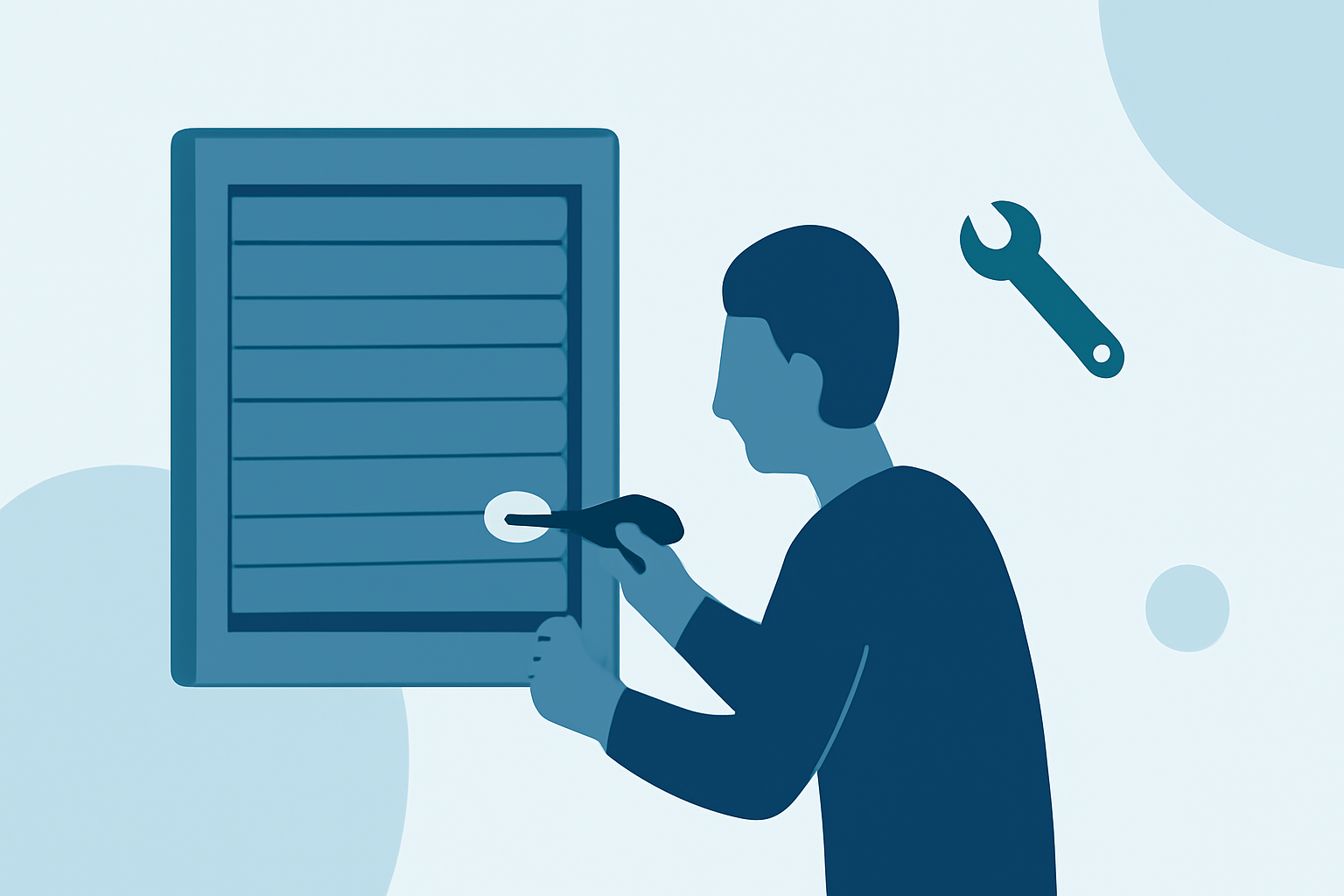
Installing hurricane shutters is a crucial step in safeguarding your home against severe weather conditions. Proper installation ensures maximum protection and compliance with local building codes. Here's a detailed guide to assist you through the process.
1. Assess and Measure Openings
Begin by identifying all windows and doors that require protection. Accurate measurements are vital for selecting the appropriate shutter size and type. Measure the width and height of each opening, ensuring precision to guarantee a proper fit. (stormsmart.com)
2. Choose the Right Shutter Type
Various shutter types offer different levels of protection and aesthetic appeal. Common options include roll-down, accordion, storm panels, Bahama, and colonial shutters. Consider factors such as ease of use, storage requirements, and design preferences when selecting the most suitable type for your home. (stormsmart.com)
3. Prepare the Mounting Area
Ensure that the window and door frames are clean and structurally sound. Inspect for any damage or weaknesses that could compromise the shutter's effectiveness. Mark the drill points for tracks, hinges, or panel fasteners, following the manufacturer's guidelines for precise placement. (stormsmart.com)
4. Install Mounting Tracks or Anchors
Depending on the shutter type, you'll need to install mounting tracks or anchors:
-
Roll-Down and Accordion Shutters: These require permanent tracks. Securely fasten the header (top) and bottom tracks to the wall, ensuring they are level and properly aligned. (homeserve.com)
-
Storm Panels: These utilize pre-installed anchors. Install the anchors into the wall at the marked points, ensuring they are securely fastened and level. (stormsmart.com)
5. Attach and Secure the Shutters
With the mounting hardware in place, proceed to attach the shutters:
-
Roll-Down and Accordion Shutters: Insert the shutter into the top track, then lower it into the bottom track. Secure the shutter according to the manufacturer's instructions, ensuring it operates smoothly. (homeserve.com)
-
Storm Panels: Align the panel with the anchors, then secure it using the appropriate fasteners. Ensure the panel is firmly in place and properly sealed. (stormsmart.com)
6. Inspect and Test for Functionality
After installation, thoroughly inspect each shutter to confirm stability and proper operation. Test all locks, cranks, or fasteners to ensure they function correctly. Perform a final test deployment to verify readiness before hurricane season. (stormsmart.com)
Additional Considerations
-
Professional Installation: While some shutters can be installed by homeowners, professional installation is recommended for certain types, such as roll-down and accordion shutters, to ensure compliance with building codes and optimal storm protection. (stormsmart.com)
-
Maintenance: Regularly inspect and maintain your shutters to ensure they remain in good working condition. Address any issues promptly to maintain their effectiveness during severe weather events.
By following these steps, you can enhance your home's resilience against hurricanes and other severe weather conditions, providing peace of mind for you and your family.
Highlights:
- What Steps Are Involved in Installing Hurricane Shutters? - Storm Smart
- How to Install Hurricane Shutters, Published on Monday, November 15
- Installing Rolling Hurricane Shutters: Step-by-Step Guide