
An Introduction to Effective Hydration During Hot Weather
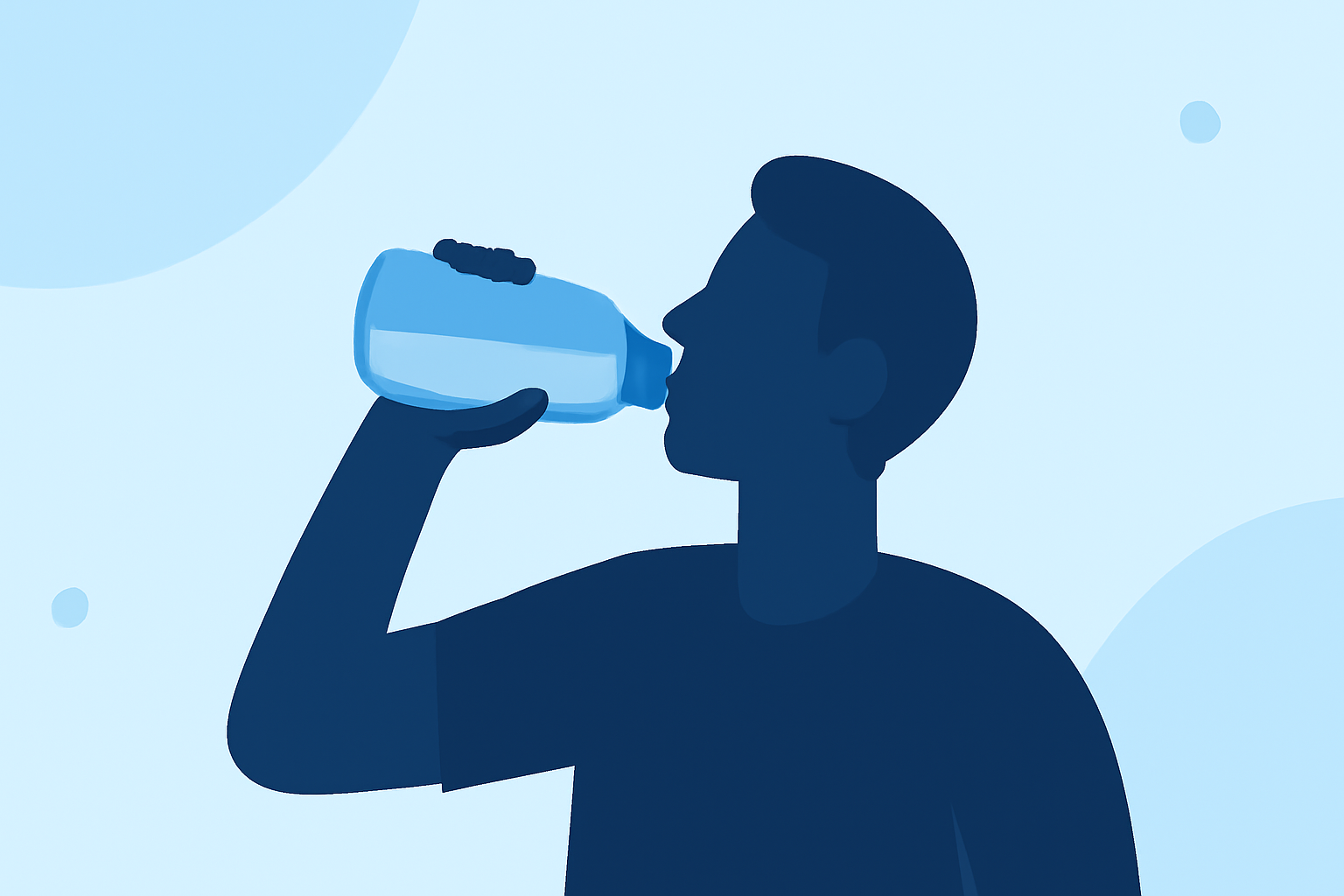
Staying properly hydrated during hot weather is crucial for maintaining health and well-being. High temperatures increase the body's fluid loss through sweating, making it essential to replenish fluids regularly.
Why Is Hydration Important in Hot Weather?
In hot conditions, the body loses more water through sweat and increased breathing rates. This fluid loss can lead to dehydration, causing symptoms like fatigue, dizziness, and headaches. Severe dehydration may result in heat-related illnesses such as heat exhaustion or heat stroke. (boots.com)
How Much Water Should You Drink?
While general recommendations suggest about 1.5 to 2.5 liters (6 to 8 cups) of fluid daily, hot weather increases this need. Adults may require 3 to 4 liters (12 to 16 cups) of water per day when temperatures exceed 30°C (86°F). It's advisable to drink water consistently throughout the day, even before feeling thirsty. (mammothmug.com)
What Are the Best Beverages for Hydration?
- Water: The most effective way to hydrate.
- Diluted fruit juices or herbal teas: Provide flavor and hydration without added sugars.
- Milk: Contains electrolytes that help replace salts lost through sweating.
- Electrolyte drinks: Useful after heavy sweating or prolonged exposure to heat.
It's best to avoid alcohol and drinks with high caffeine or sugar content, as they can increase fluid loss. (boots.com)
How Can You Stay Hydrated?
- Keep a water bottle handy: Sip fluids regularly throughout the day.
- Set reminders: Use your phone to prompt you to drink water, especially during busy times.
- Choose hydrating snacks: Opt for fruits and vegetables with high water content, such as cucumbers, melons, and strawberries.
- Monitor urine color: Aim for pale yellow urine; darker urine may indicate dehydration.
- Dress appropriately: Wear light, breathable clothing and seek shade when outdoors.
What Are the Signs of Dehydration?
Early signs include dry mouth, thirst, tiredness, dizziness, headaches, dark yellow urine, and urinating less often. In severe cases, symptoms may escalate to confusion, rapid heartbeat, fainting, seizures, or inability to keep fluids down. If you experience severe symptoms, seek medical attention immediately. (boots.com)
How Can You Prevent Heat-Related Illnesses?
- Rest during peak heat: Avoid strenuous activities during the hottest parts of the day.
- Stay cool: Use fans, air conditioning, or cool showers to lower body temperature.
- Eat lighter meals: Heavy meals can generate additional body heat.
- Wear appropriate clothing: Choose loose-fitting, light-colored clothing made from natural fibers.
- Plan outdoor activities wisely: Opt for early morning or evening times when temperatures are lower.
By following these guidelines, you can effectively manage hydration during hot weather, reducing the risk of dehydration and heat-related illnesses.
Highlights:
- How Much Water Should You Drink When It's Hot Outside?, Published on Monday, July 08
- The Best-And Worst-Foods During a Heat Wave, Published on Monday, July 28