
Essential Hydration Tips for Travelers in Hot Weather
Last updated: 2023-09-07
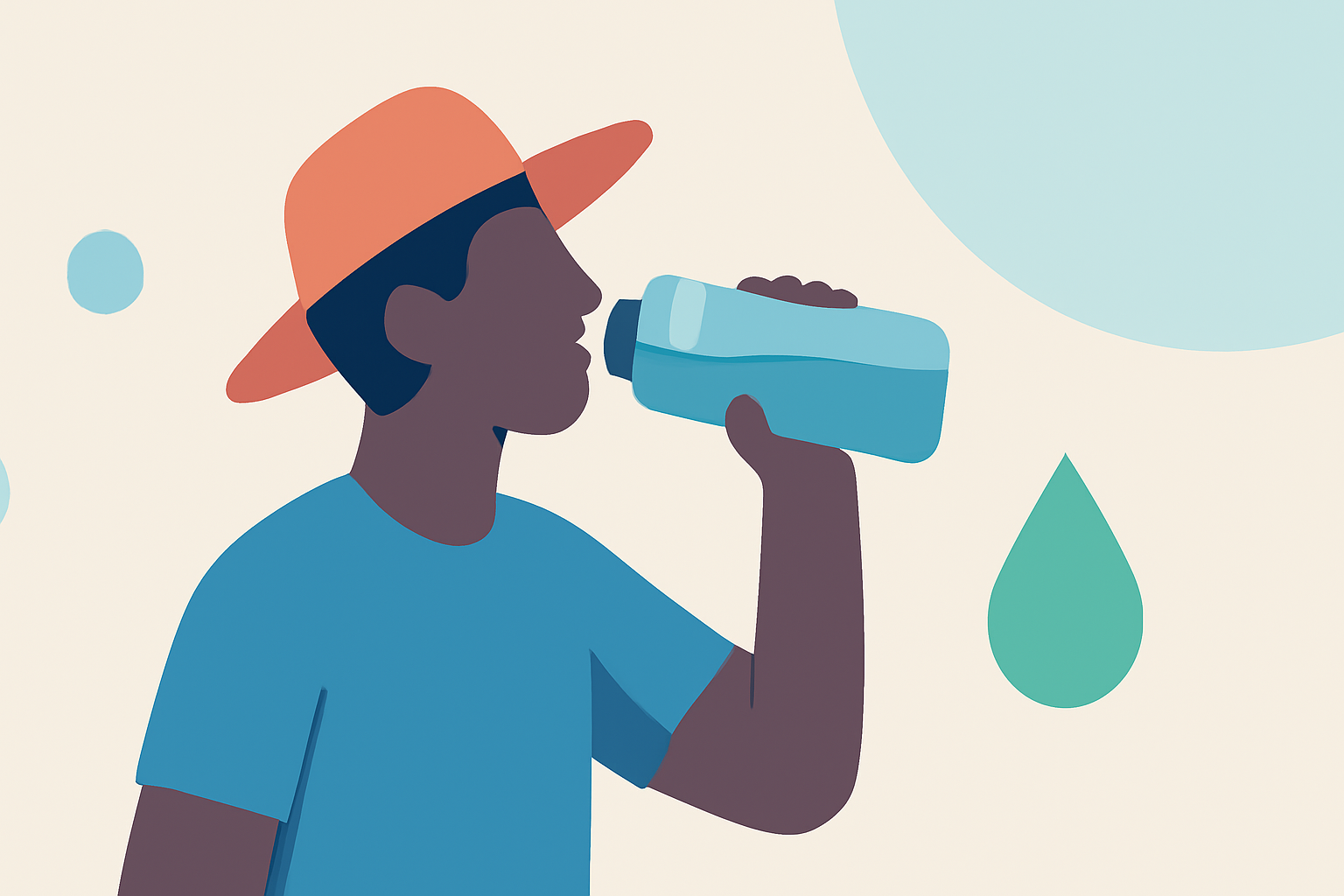
When traveling to hot locales, staying hydrated is crucial for both comfort and health. For most travelers, drinking water consistently throughout the day is the best approach; however, in some situations, such as high-intensity activities or extended exposure to heat, electrolyte-rich beverages could enhance hydration.
Summary
- Hydration Importance: Staying hydrated helps prevent heat-related illnesses.
- Water as Priority: Water should be your primary source of hydration.
- Listen to Your Body: Don’t rely solely on thirst; proactive hydration is vital.
- Safety First: Ensure access to safe drinking water, especially when traveling abroad.
Why Is Hydration Important for Travelers in Hot Weather?
Hydration plays a vital role in maintaining body temperature and preventing heat-related illnesses. According to the CDC, dehydration can occur in anyone who doesn't drink enough water during hot weather (CDC). Proper hydration is essential to prevent conditions like heat exhaustion and heat stroke, which can severely impact your travel plans.
How Much Water Should You Drink Daily?
While the exact amount of water needed can vary based on body size, activity level, and climate, a general guideline is to drink at least 8–10 glasses (64–80 ounces) of water per day. However, during hot weather, particularly if you're active, you may need to increase this amount to maintain hydration. The CDC emphasizes that drinking more water than usual and not waiting until you are thirsty will better support your hydration needs (CDC).
Best Practices for Keeping Hydrated on the Go
- Stay Proactive: Don’t wait until you feel thirsty. Instead, drink regularly throughout the day.
- Electrolyte Balance: If you're sweating a lot, consider electrolyte drinks to replenish lost minerals. Such beverages can be particularly beneficial during longer periods of strenuous activity or in extreme heat conditions.
- Cooler Water: Drinking cool water can help lower your body temperature and is often more refreshing.
- Avoid Dehydrating Drinks: Limit the intake of alcoholic and caffeinated beverages, as they can contribute to dehydration.
Recognizing Signs of Dehydration
Travelers should be aware of the early signs of dehydration, which can include dark urine, fatigue, dizziness, and confusion. If you experience these symptoms, it's crucial to rehydrate immediately. As noted by the Mayo Clinic, relying on thirst alone is not sufficient to prevent mild dehydration (Mayo Clinic).
Water Safety Considerations
When visiting areas where water quality may be uncertain, it’s essential to ensure that the water you’re consuming is safe. This can involve using water purification tablets or avoiding local tap water altogether (CDC). Staying informed about the water situation in your travel destination is key to maintaining good health.
Utilizing Weather Apps for Hydration Planning
A mobile weather app, such as Clime, can provide real-time weather updates, allowing travelers to plan their hydration schedule effectively. By checking the forecast, you can gauge how hot it might get during the day and adjust your fluid intake accordingly. By keeping tabs on the weather, you can be proactive about your hydration strategy.
What We Recommend
- Prioritize water consumption: Make water your main beverage.
- Stay informed: Use a reliable weather app like Clime to plan hydration around anticipated temperatures.
- Monitor your body: Pay close attention to signs of dehydration and increase fluid intake accordingly.
- Plan for safety: Always ensure that the water you drink is safe, especially in unfamiliar places.