
Comprehensive Guide to Hydration Monitoring During Workouts
Maintaining proper hydration during workouts is essential for optimal performance and overall health. Dehydration can impair physical capabilities, increase the risk of heat-related illnesses, and hinder recovery. This guide provides comprehensive strategies for monitoring and managing hydration during exercise.
Why Is Hydration Crucial During Exercise?
Hydration supports various bodily functions, including nutrient transport, temperature regulation, and muscle function. Even a 2% loss in body weight due to fluid loss can negatively impact performance and make exercise feel more strenuous. (healthcastle.com)
How Can You Assess Your Hydration Status?
Monitoring hydration involves several methods:
-
Urine Color: Light yellow indicates good hydration; darker shades suggest dehydration.
-
Body Weight: Weighing yourself before and after exercise can help estimate fluid loss. A weight loss of 1 kilogram (approximately 2.2 pounds) equates to about 1 liter of fluid lost. (iliveactive.com)
-
Thirst and Performance: Persistent thirst, dry mouth, dizziness, or reduced performance are signs of dehydration.
What Are Effective Hydration Strategies Before Exercise?
Proper pre-exercise hydration prepares the body for physical activity:
-
Timing: Consume 500–600 milliliters (17–20 ounces) of water or an electrolyte-rich beverage 2–3 hours before exercise. (latimes.com)
-
Additional Intake: Drink another 200–300 milliliters (7–10 ounces) 10–20 minutes before starting.
-
Monitor Urine: Aim for pale yellow urine to indicate adequate hydration.
How Should You Hydrate During Exercise?
Maintaining hydration during exercise is vital:
-
Fluid Intake: Aim to drink 200–300 milliliters (7–10 ounces) every 10–20 minutes. (latimes.com)
-
Type of Beverage: For activities lasting less than 60 minutes, water is sufficient. For longer or more intense sessions, consider drinks containing electrolytes to replenish sodium and potassium lost through sweat.
-
Monitor Thirst: Don't wait until you're thirsty to drink; by then, dehydration may have already begun.
What Are the Best Practices for Post-Exercise Hydration?
Rehydrating after exercise aids recovery:
-
Fluid Replacement: For every pound lost during exercise, drink 16–24 ounces (500–700 milliliters) of fluid. (thompsonhealth.com)
-
Electrolyte Replenishment: Include salty snacks or electrolyte supplements to restore sodium levels.
-
Monitor Recovery: Continue to drink water throughout the day and monitor urine color to ensure full rehydration.
How Can You Personalize Your Hydration Plan?
Individual factors influence hydration needs:
-
Sweat Rate: Weigh yourself before and after exercise to estimate fluid loss. Each kilogram lost equals approximately 1 liter of sweat. (iliveactive.com)
-
Environmental Conditions: Hot and humid conditions increase fluid loss; adjust intake accordingly.
-
Exercise Intensity and Duration: More intense or longer workouts require more fluids.
How Can Technology Assist in Hydration Monitoring?
Advancements in technology offer tools to monitor hydration:
-
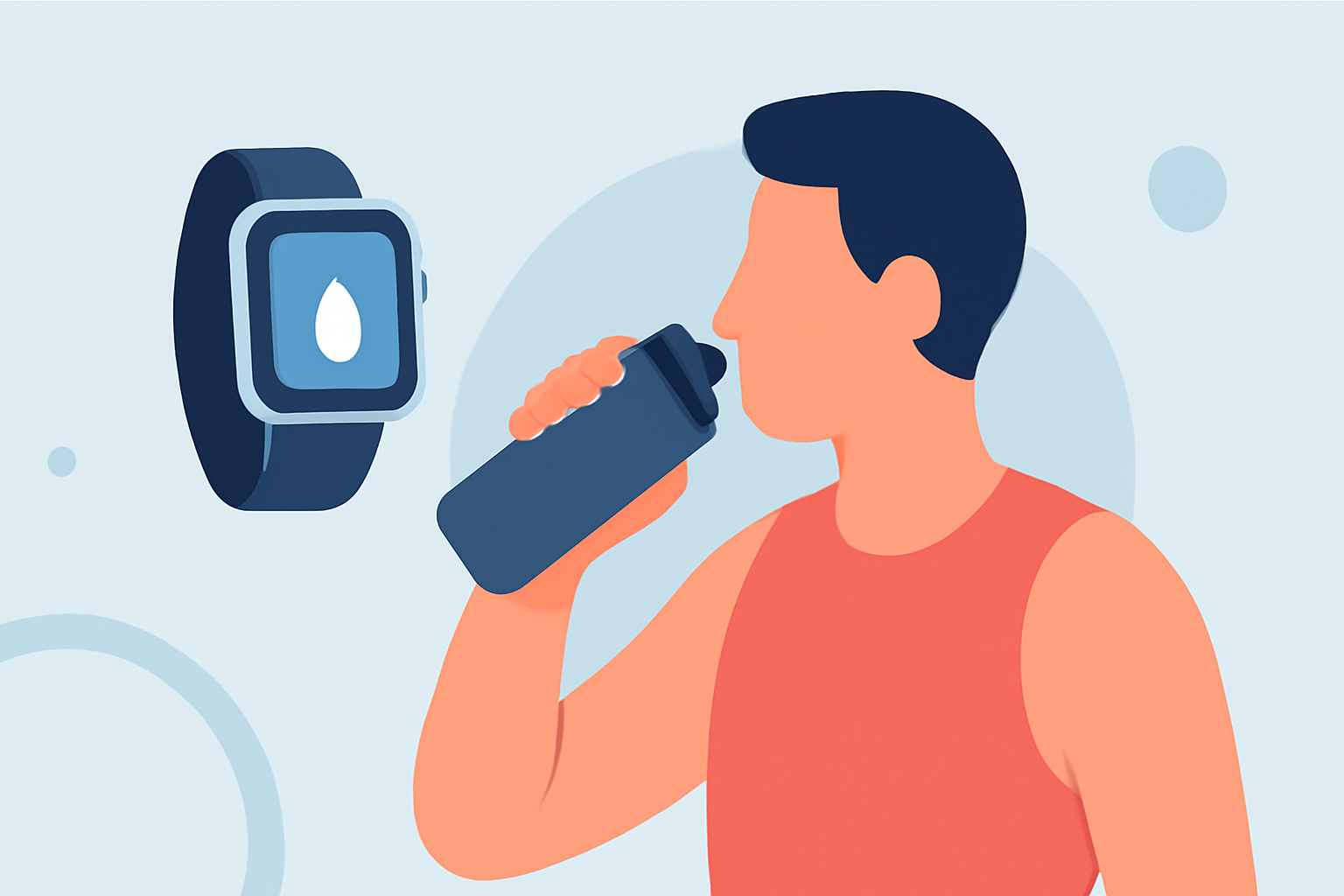
Wearable Devices: Some devices track sweat rate and electrolyte loss, providing real-time data.
-
Hydration Apps: Apps can remind you to drink and log fluid intake.
-
Smart Water Bottles: These bottles track your water intake and sync with apps to monitor hydration levels.
How Does Clime Support Hydration Monitoring During Workouts?
Clime offers advanced features to assist in hydration monitoring:
-
Real-Time Data: Provides live tracking of sweat rate and fluid loss during workouts.
-
Personalized Recommendations: Delivers tailored hydration strategies based on individual sweat rates and environmental conditions.
-
Integration with Wearables: Syncs with various wearable devices to consolidate health and performance data.
By implementing these strategies and utilizing Clime's advanced features, you can effectively monitor and maintain optimal hydration during workouts, enhancing performance and promoting overall health.