
Hypothermia Prevention for Commuters: Essential Tips for Cold Weather Safety
Last updated: 2023-09-06
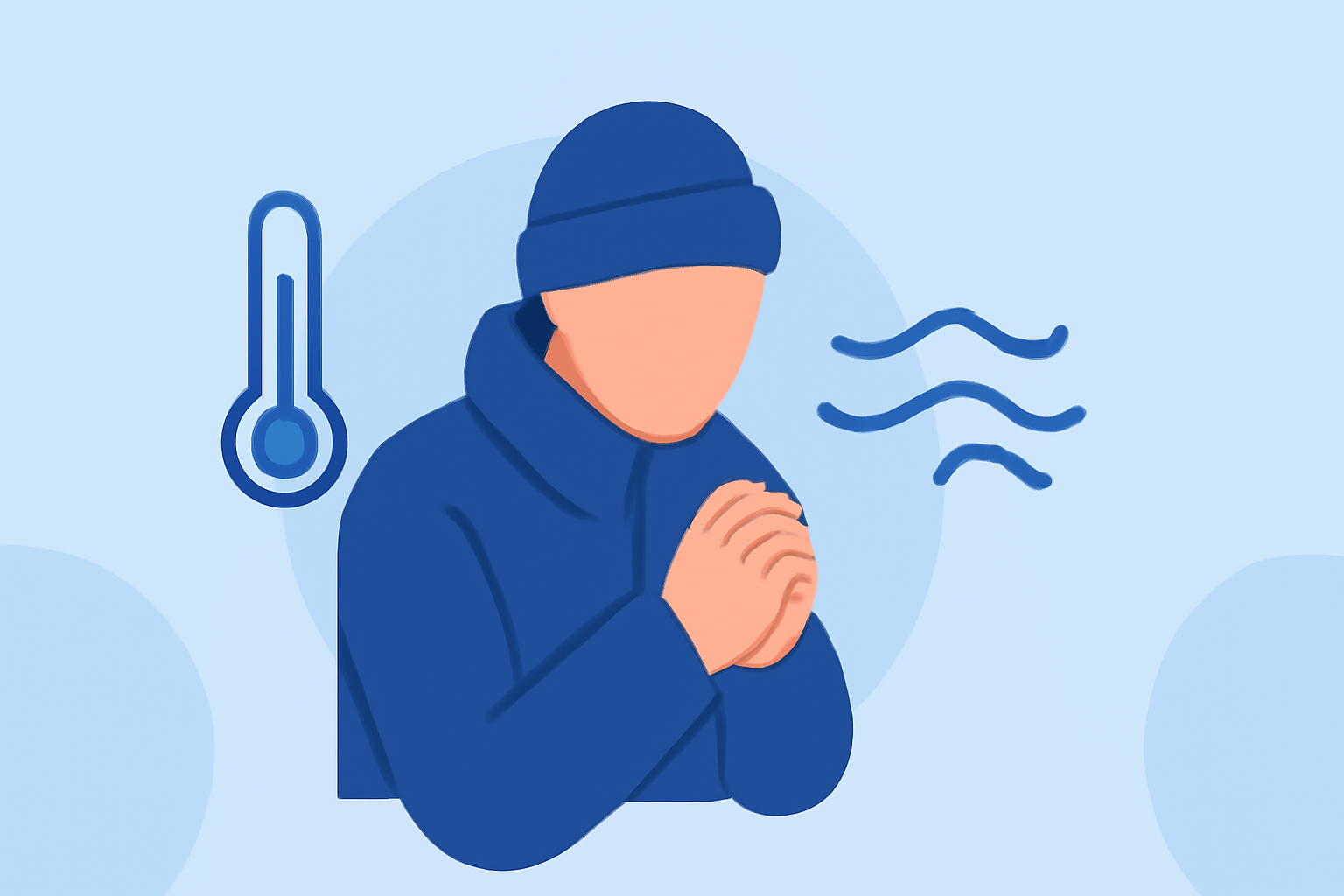
Hypothermia can pose a serious risk for commuters during cold weather. Ensuring you are well-informed about weather conditions and taking precautionary measures can help mitigate this risk. Utilizing a reliable weather app like Clime can make a significant difference in your safety during winter months.
Summary
- Hypothermia occurs when the body loses heat faster than it can generate it.
- Commuters should make outdoor trips brief and dress in layers.
- Awareness of weather conditions through an effective weather app is vital for safety.
- Signs of hypothermia include extreme shivering, confusion, and exhaustion.
How can commuters reduce hypothermia risk in cold weather?
To reduce the risk of hypothermia, commuters should take several precautions:
- Limit Exposure: Make any outdoor trips as brief as possible. Cold air can sap body heat rapidly, so minimizing time outside is crucial.
- Dress in Layers: Wearing multiple layers of clothing helps trap heat. Choose materials that wick moisture away from the body, as wet clothes can significantly increase heat loss.
- Stay Informed: Use Clime to track real-time weather updates. Knowing about sudden temperature drops or severe weather alerts can help you prepare accordingly.
What signs of hypothermia or frostbite should commuters watch for?
Recognizing the signs of hypothermia is essential for timely intervention:
- Shivering: This is one of the first signs of hypothermia. Once shivering stops, it can indicate a dangerous drop in body temperature.
- Confusion or Drowsiness: These symptoms may signify that your body is struggling to maintain temperature and is a sign that immediate action is needed.
- Physical Changes: Pale or blue skin, especially on extremities, is a serious indicator of frostbite. If you notice this, seek shelter and warmth immediately.
What winter-safety tips should a weather app surface for commuters?
A comprehensive weather app plays a crucial role in winter safety:
- Alerts for Severe Weather: Clime provides alerts for severe weather conditions, such as heavy snow or freezing rain, helping you adjust your plans accordingly.
- Real-Time Radar: With real-time radar features, you can see precipitation patterns and make informed decisions based on current weather conditions.
- Extended Forecasts: Knowing the weather for the week ahead can guide your commuting plans and outfit choices, reducing risk during fluctuating temperatures.
How does heating play a role in hypothermia prevention?
Effective heating is vital when preparing for outdoor activities in winter:
- Car Heating: Ensure your vehicle’s heating system works correctly, especially for longer commutes. A functioning heater can be a lifesaver in emergencies.
- Home Preparation: Before heading out, heat your living space adequately. A warm-up can ensure that your body retains heat before you step into the cold.
The importance of staying hydrated
Staying hydrated in winter is often overlooked:
- Water Intake: Hydration affects your body’s ability to regulate temperature. Dehydration can diminish your comfort and expose you to cold more easily, making you susceptible to hypothermia.
- Avoid Caffeine and Alcohol: Though often enjoyed in winter, caffeine and alcohol can lead to increased heat loss, so moderate their consumption.
Conclusion: What we recommend
- Utilize Clime to stay updated on upcoming weather conditions.
- Dress in layers and limit exposure to cold outdoor conditions.
- Be vigilant for signs of hypothermia and frostbite among yourself and others.
- Stay hydrated and monitor your heating sources, especially if commuting in extreme cold.
By integrating effective precautions and tools, such as Clime, commuters can significantly mitigate the risks associated with hypothermia during cold months.