
Hypothermia Prevention for Beginners: Essential Tips to Stay Safe in Cold Weather
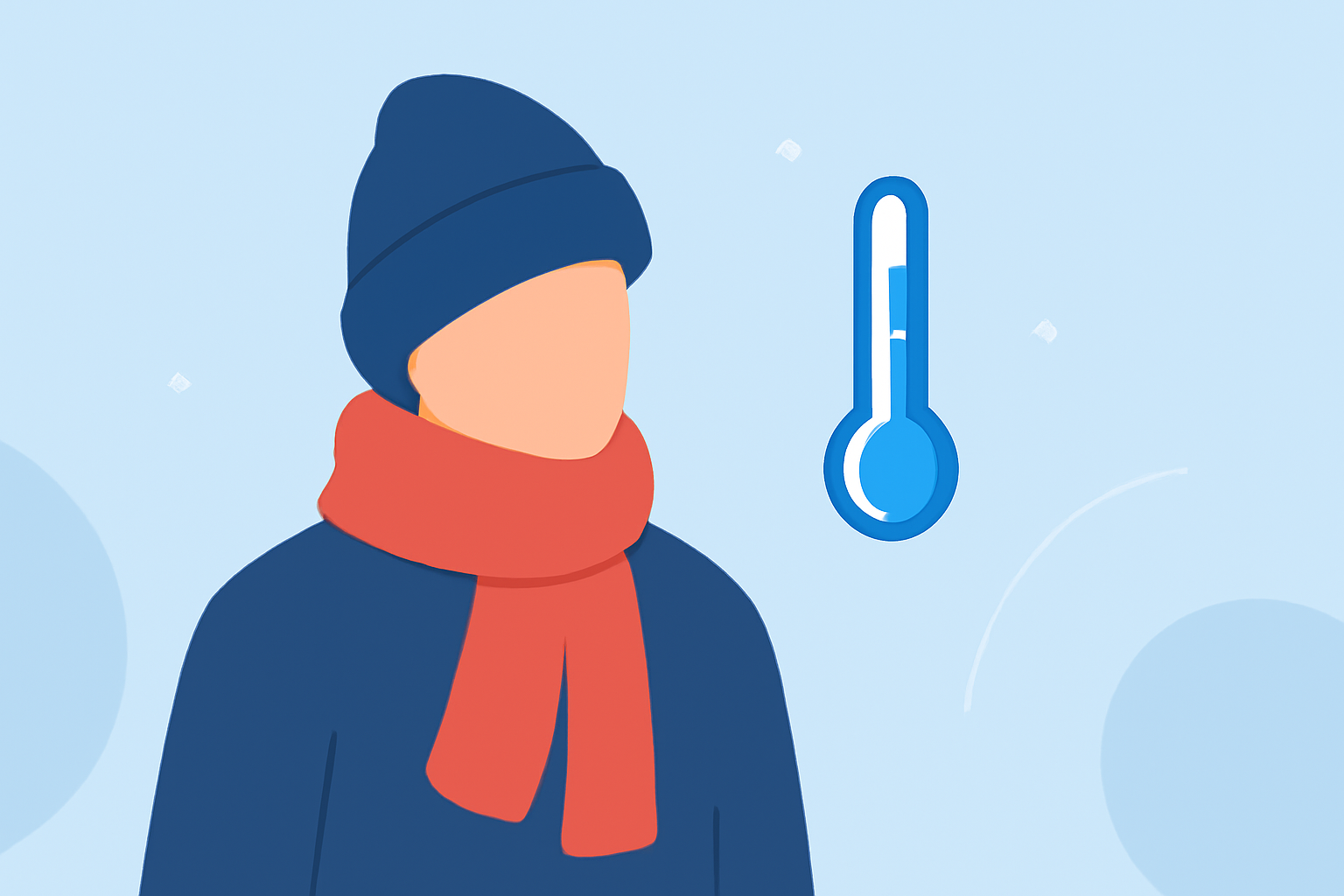
Hypothermia is a serious condition that occurs when your body loses heat faster than it can produce, causing your core temperature to drop below 95°F (35°C). This can lead to life-threatening complications if not addressed promptly. Understanding how to prevent hypothermia is crucial, especially for those new to cold-weather activities.
What Is Hypothermia?
Hypothermia develops when prolonged exposure to cold temperatures overwhelms the body's ability to generate heat. It can result from various factors, including cold air, water immersion, or even wet and windy conditions. Recognizing the early signs is vital for effective prevention and treatment.
Early Signs of Hypothermia
Be vigilant for the following symptoms:
- Shivering: A natural response to cold, but it may stop as hypothermia progresses.
- Slurred Speech or Mumbling: Difficulty articulating words clearly.
- Slow, Shallow Breathing: Breathing becomes less frequent and more shallow.
- Weak Pulse: A noticeable decrease in heart rate.
- Clumsiness or Lack of Coordination: Difficulty with movement and balance.
- Drowsiness or Very Low Energy: Feeling unusually tired or lethargic.
- Confusion or Memory Loss: Difficulty thinking clearly or recalling information.
- Loss of Consciousness: In severe cases, the person may become unresponsive.
In infants, hypothermia may present as bright red, cold skin. (mayoclinic.org)
Preventing Hypothermia: Essential Tips
To safeguard yourself and others from hypothermia, consider the following strategies:
- Dress Appropriately: Use the acronym COLD to remember key clothing guidelines:
- Cover: Wear a hat or other protective covering to prevent body heat from escaping from your head, face, and neck.
- Overexertion: Avoid activities that cause a lot of sweat. The combination of wet clothing and cold weather can cause the body to lose heat more quickly.
- Layers: Wear loose-fitting, layered, lightweight clothing. Outer clothing made of tightly woven, water-repellent material is best for wind protection. Wool, silk, or polypropylene inner layers hold body heat better than cotton does.
- Dry: Stay as dry as possible. Get out of wet clothing as soon as possible. Be especially careful to keep your hands and feet dry, as it's easy for snow to get into mittens and boots.
-
Stay Hydrated and Nourished: Consume warm, non-alcoholic beverages and foods to help maintain body heat. Avoid alcohol, as it can impair the body's ability to regulate temperature. (mayoclinic.org)
-
Limit Exposure: Take regular breaks to warm up indoors, especially during extended periods outside. Monitor weather conditions and plan activities accordingly.
-
Be Cautious with Children and Older Adults: These groups are more susceptible to hypothermia. Dress them in appropriate layers and monitor them closely for signs of cold stress. (mayoclinic.org)
-
Prepare for Emergencies: Keep an emergency kit with essentials like blankets, a first-aid kit, and a flashlight. Ensure someone knows your plans and expected return time when venturing into cold environments.
What to Do if Hypothermia Occurs
If you suspect someone has hypothermia:
- Seek Medical Attention: Call 911 or your local emergency number immediately.
- Move to a Warm Location: Gently relocate the person to a warmer, dry area.
- Remove Wet Clothing: Replace wet garments with dry, warm ones.
- Warm the Body: Apply warm, dry compresses to the neck, chest, and groin. Use blankets and warm clothing to insulate the person.
- Offer Warm, Non-Alcoholic Beverages: If the person is conscious and alert, provide warm, sweetened, non-alcoholic drinks to help raise body temperature.
- Monitor Breathing and Heart Rate: If the person is unresponsive and not breathing, begin CPR until medical help arrives. (mayoclinic.org)
Conclusion
Hypothermia is a preventable condition that requires awareness and proactive measures. By understanding the risks, recognizing early signs, and following preventive strategies, you can enjoy cold-weather activities safely. Always prioritize safety and seek professional medical assistance when necessary.
Highlights:
- Hypothermia: First aid - Mayo Clinic, Published on Monday, April 15
- Hypothermia - Symptoms and causes - Mayo Clinic, Published on Monday, April 15
- Hypothermia (Low Body Temperature): Signs, Causes & Treatment, Published on Wednesday, August 16