
Understanding Hypothermia Prevention During Heat Waves
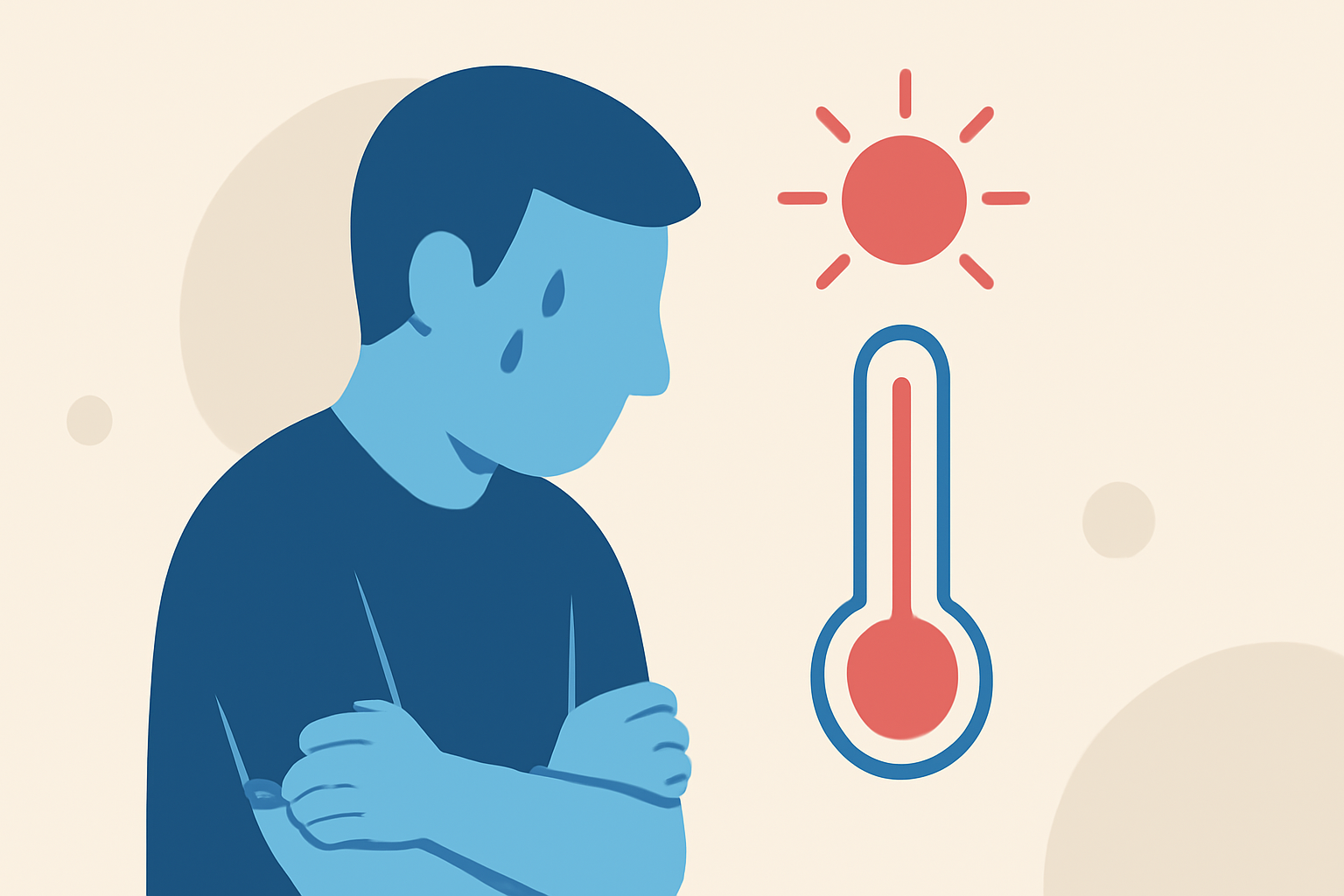
Hypothermia is a condition where the body loses heat faster than it can produce, leading to a dangerously low body temperature. Traditionally associated with cold environments, hypothermia can also occur during heat waves under certain conditions.
What Is Hypothermia?
Hypothermia occurs when the body's core temperature drops below 95°F (35°C), impairing normal bodily functions. Symptoms include shivering, slurred speech, slow breathing, weak pulse, clumsiness, drowsiness, confusion, and loss of consciousness. In infants, hypothermia may manifest as bright red, cold skin. (mayoclinic.org)
Can Hypothermia Occur During Heat Waves?
While heat waves are typically associated with high temperatures, certain factors can lead to hypothermia during these periods:
-
Excessive Sweating: Engaging in strenuous activities without adequate hydration can lead to excessive sweating, causing the body to lose essential salts and fluids. This imbalance can impair the body's ability to regulate temperature, potentially leading to hypothermia. (cdc.gov)
-
Alcohol Consumption: Drinking alcohol during hot weather can increase the risk of hypothermia. Alcohol causes blood vessels to dilate, leading to increased heat loss from the body. (maine.gov)
-
Dehydration: Not drinking enough fluids during hot weather can lead to dehydration, which impairs the body's ability to regulate temperature and increases the risk of heat-related illnesses, including hypothermia. (cdc.gov)
How to Prevent Hypothermia During Heat Waves
To protect yourself during heat waves and reduce the risk of hypothermia:
-
Stay Hydrated: Drink plenty of fluids, especially water, throughout the day. Avoid alcohol and beverages high in caffeine, as they can contribute to dehydration. (cdc.gov)
-
Dress Appropriately: Wear loose-fitting, lightweight, and light-colored clothing to help your body cool naturally. (cdc.gov)
-
Limit Physical Activity: Avoid strenuous activities during the hottest parts of the day. If you must exercise, do so during the cooler parts of the day, such as early morning or evening. (who.int)
-
Use Cooling Measures: Stay in the shade, use fans, or air conditioning to keep cool. Taking cool showers or baths can also help lower body temperature. (who.int)
-
Monitor Vulnerable Individuals: Check on family members, friends, and neighbors, especially those over 65 years old or with chronic health conditions, as they are more susceptible to heat-related illnesses. (who.int)
When to Seek Medical Attention
If you or someone else exhibits signs of heat-related illnesses, such as heavy sweating, dizziness, nausea, or confusion, seek medical attention immediately. Heat-related illnesses can escalate quickly and may become life-threatening if not addressed promptly. (cdc.gov)
By understanding the risks and taking appropriate precautions, you can effectively prevent hypothermia and other heat-related illnesses during heat waves.
Highlights:
- Summer Heatwaves Pose Major Health Risks: 8 Tips to Stay Safe, Published on Wednesday, May 27
- How to Stay Safe During a Heat Wave - Consumer Reports, Published on Monday, June 17
- Protect Yourself From the Dangers of Extreme Heat | Climate and Health | CDC, Published on Monday, June 24